
US and Iran Exchange Strikes After Two Troops Killed
In a recent BBC News report, the escalation between the United States and Iran reached a new and dangerous phase as both nations exchanged waves of strikes over the weekend, triggered by an Iranian attack that killed two American service members stationed in Jordan. The eighth consecutive night of US bombing campaigns against Iranian military infrastructure signals that the fragile June ceasefire has fully unravelled, pulling the wider Middle East deeper into a conflict th...
In a recent BBC News report, the escalation between the United States and Iran reached a new and dangerous phase as both nations exchanged waves of strikes over the weekend, triggered by an Iranian attack that killed two American service members stationed in Jordan. The eighth consecutive night of US bombing campaigns against Iranian military infrastructure signals that the fragile June ceasefire has fully unravelled, pulling the wider Middle East deeper into a conflict that now threatens global energy supplies through the Strait of Hormuz.
US and Iran Exchange Strikes After Two Soldiers Killed in Jordan
London – 19 July 2026 — The United States launched another wave of air strikes against Iranian military targets on Saturday night, marking the eighth consecutive night of American bombing in a conflict that shows no signs of de-escalation. CENTCOM confirmed the strikes targeted coastal surveillance infrastructure and air defence facilities, as well as Revolutionary Guard units believed responsible for Friday's attack on a Jordanian base that killed two American service members and left another missing. Iran's retaliatory strikes struck critical infrastructure in Kuwait and Bahrain, broadening the theatre of a war that began in late February and now threatens to destabilise the entire Gulf region.
Friday's Attack and the Toll on American Forces
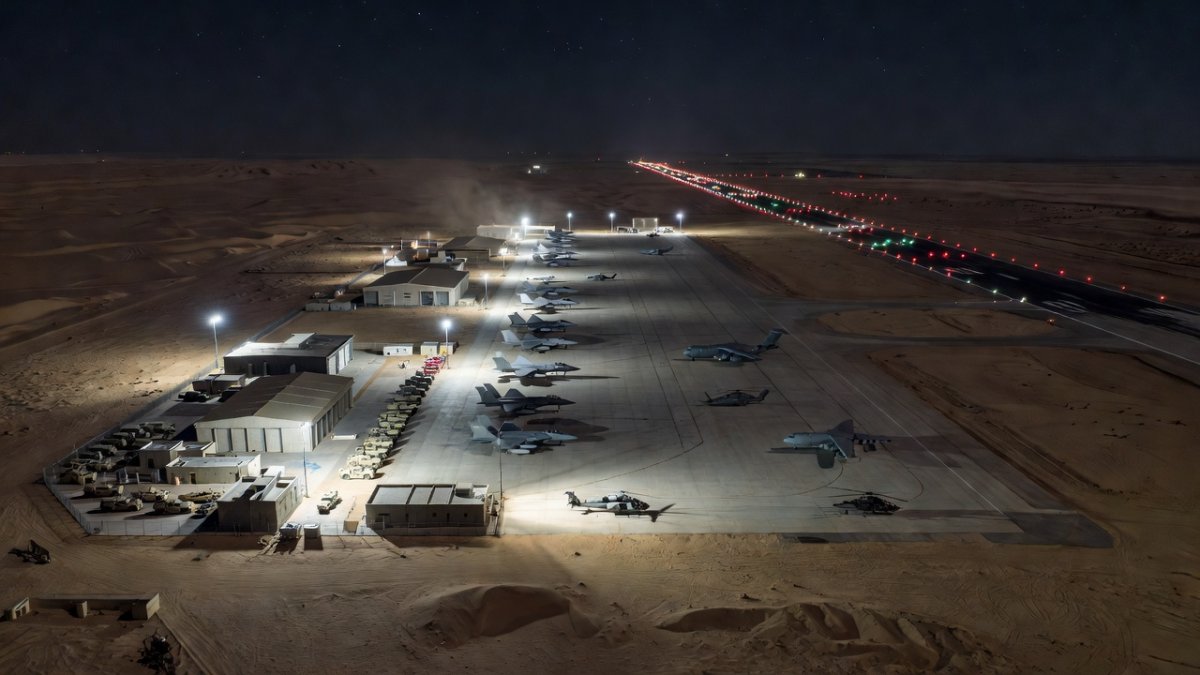
Iranian strikes on a US military facility in Jordan on Friday killed two American service members and left a third missing, marking the first US combat fatalities from hostile fire since the April truce. CENTCOM confirmed that four additional personnel were injured in the attack, which originated from Iranian positions across the border. The deaths raised the total American military fatalities in the conflict to 16, following the recent declaration of death of a Navy pilot who had been missing since earlier this month. Defence Secretary Pete Hegseth responded to the losses with a statement that read: "Godspeed, heroes. Their sacrifice only stiffens our resolve." The attack on Jordan also drew into focus the vulnerability of US forward-deployed forces across the region, with American troops stationed in Iraq, Syria, Kuwait, Bahrain, and the UAE now operating under heightened threat levels. Verified footage from inside the Jordanian facility reviewed by the BBC showed at least two direct impacts and a large explosion, underscoring the precision and severity of the Iranian strike. The deaths of the two US service members have intensified scrutiny over the conduct of operations in the region. According to the Iranian health ministry, at least 50 people have been killed and more than 500 injured in US strikes over the past three weeks. These figures from Iranian authorities highlight the human cost on the Iranian side amid the ongoing exchanges. The US maintains that its actions target only military objectives, while Iranian reports describe broader impacts. International legal questions arise from strikes on infrastructure in multiple countries, with both sides facing accusations of exceeding defensive bounds under established norms. Congressional committees in Washington have sought additional briefings to assess the administration's approach following the Jordan incident. The total US death toll reaching 16 underscores the mounting pressures on all parties involved in the conflict that began on February 28, 2026.The Eighth Night: US Strikes and Iranian Retaliation
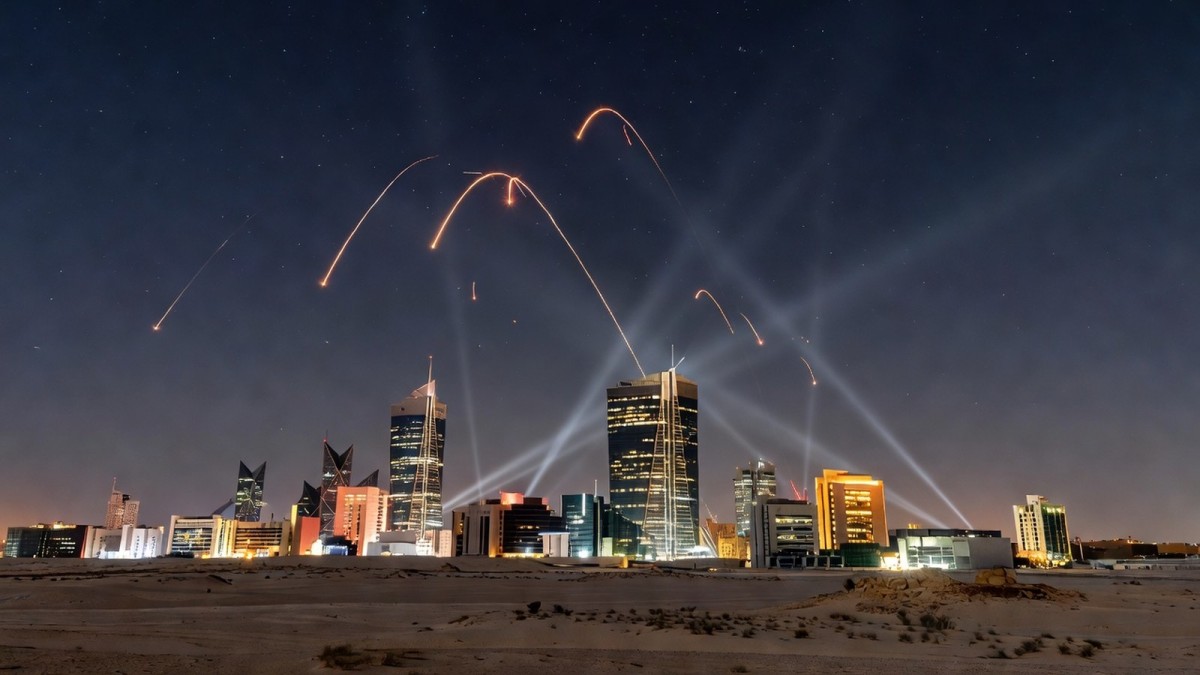
The United States' eighth successive night of aerial bombardment targeted Iran's coastal surveillance systems and air defence networks, CENTCOM confirmed on Sunday. Iranian state media reported that an under-construction nuclear power plant in the south-western city of Darkhoveyn had been struck, along with facilities on Qeshm Island, a strategic landmass in the Strait of Hormuz. The US military stated that the strikes were "designed to further degrade Iran's ability to threaten commercial shipping in the Strait of Hormuz" and to "swiftly punish Islamic Revolutionary Guard Corps forces who launched attacks against American service members in Jordan." Washington insisted that all targets were military in nature, though Iran accused the US of striking bridges and a civilian station — claims the Pentagon rejected, stating it had "carried out strikes exclusively on military targets, including military logistics infrastructure." Iran responded with its own barrage, striking a Kuwaiti electricity and water distillation plant for the second time in two days — the same facility that had been hit on Friday, now engulfed in fire as Kuwaiti emergency services struggled to contain the damage. Bahrain's air defences intercepted an incoming Iranian attack, preventing what officials described as a potentially major strike on the island kingdom. The Gulf Cooperation Council — comprising Bahrain, Kuwait, Oman, Qatar, Saudi Arabia, and the UAE — issued a rare joint statement accusing Tehran of deliberately targeting civilian infrastructure, a charge that carries significant diplomatic weight given the GCC's traditionally cautious posture toward both the US and Iran. The repeated strikes on the Kuwaiti plant have expanded the conflict's reach, affecting essential services for populations across the Gulf and drawing in additional states beyond the initial US-Iran exchanges. Kuwait confirmed the facility suffered a second hit within 48 hours, with fires persisting despite response efforts. This development has transformed the confrontation into a wider regional issue involving water and power supplies for millions of residents in affected areas.The Strait of Hormuz and the Global Energy Market
Iran's declaration that the Strait of Hormuz is closed, combined with the US reimposition of a naval blockade on Iranian ports, has created a dual chokehold on one of the world's most critical energy waterways. Approximately 20% of the world's oil transits the Strait daily — roughly 17 million barrels. The IRGC announced on Sunday that two vessels had ignored Iranian warnings not to transit the Strait and were subsequently involved in what it termed "an accident," warning that all vessels "influenced" by the US that "use unsafe routes" will "certainly face accidents." The US Navy's Fifth Fleet, based in Bahrain, continues operations to maintain navigation in these waters amid active combat against Iranian coastal positions. Disruptions here directly affect energy supplies to major economies including China, Japan, South Korea, and European nations reliant on Gulf transit routes. Russia and China maintain close ties with Iran, and any prolonged closure risks broader instability along their southern interests while offering potential leverage against US positions globally. The IRGC statements indicate Tehran views the waterway as a point of pressure in response to US actions.The Collapse of the Ceasefire
The current escalation marks the complete collapse of a preliminary ceasefire agreement reached between Washington and Tehran in June, a deal that had raised cautious hopes of ending a war that began on February 28, 2026. President Donald Trump declared the agreement "over" on July 8, just weeks after it was signed, accusing Iran of violating its terms. Iran's Supreme Leader Mojtaba Khamenei — who assumed leadership after his father Ali Khamenei was killed in the opening US-Israeli strikes of the war — responded with a blistering written statement on Saturday night, declaring that America's "repeated breaches" of the agreement had "laid bare a fundamental truth: the signature of the US president is utterly worthless and devoid of credibility." Regional mediators including Qatar, Oman, and Türkiye had previously engaged in efforts to sustain the June framework, yet no new channel has replaced it amid the latest strikes. The absence of active diplomacy leaves both sides without immediate off-ramps, sustaining the cycle of retaliation.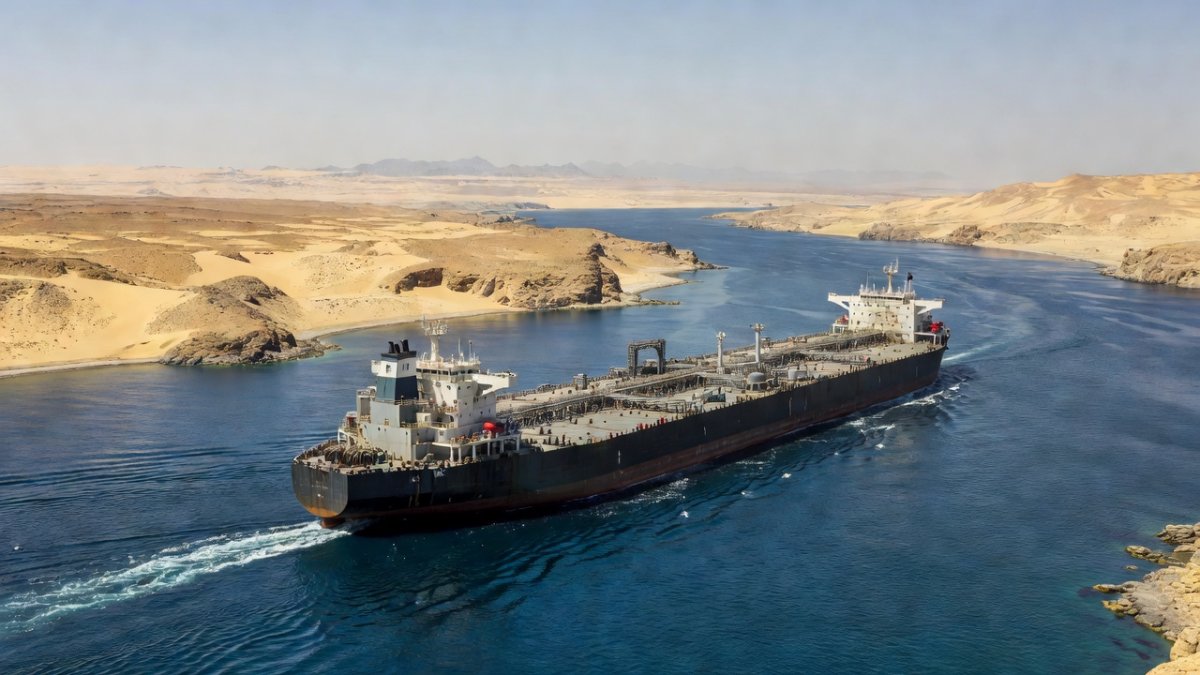
The Expanding Regional Theatre
Beyond the direct US-Iran confrontation, the conflict is drawing in a widening circle of regional actors. Jordan finds itself uncomfortably straddling both sides — hosting US forces while maintaining diplomatic ties with Tehran. The US embassy in Amman claimed on Sunday that Jordanian authorities had evacuated the Aqaba International Airport and seaport in response to a "specific and credible threat," though a Jordanian government spokesperson promptly denied this, stating that neither facility had been evacuated and that Jordan had detected no recent threats. This public contradiction between Washington and Amman underscores the growing strain on Jordan's diplomatic balancing act. Meanwhile, Yemen's Houthi movement — closely aligned with Iran — has resumed attacks on shipping in the Red Sea, opening a second maritime front. Iraq's government has called for restraint while Iranian-backed militias within its borders have mobilised. The war continues to test existing security arrangements in the Gulf and expose divisions among states navigating competing pressures from both Washington and Tehran.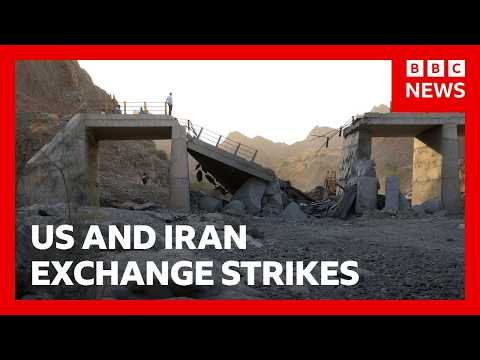
Analysis — A Dangerous Escalation Cycle
The US-Iran conflict has entered what analysts describe as a self-reinforcing escalation cycle, where each round of strikes produces a retaliatory response that is marginally more severe than the last. The killing of US troops on Jordanian soil represents a significant escalatory step — the first American combat fatalities from hostile fire since the April truce — and has triggered a correspondingly forceful US response that now encompasses Iranian nuclear infrastructure. The targeting of the Darkhoveyn nuclear plant, even if under construction, crosses a threshold that will alarm the international community and potentially trigger an Iranian decision to accelerate any remaining enrichment activities. The IRGC's Strait of Hormuz warnings suggest Tehran is willing to weaponise the global economy as leverage, a gambit that carries enormous risk given the dependence of China, Japan, South Korea, and European nations on Gulf oil. The path forward depends on whether either side has an off-ramp, and neither appears willing to take it. The collapse of the June ceasefire has eliminated the primary diplomatic channel, and no replacement mediation framework has emerged. For Moscow and Beijing, the widening conflict presents both opportunities — weakening US global posture — and risks, particularly to energy supplies and regional stability along their own southern peripheries.By Irina Volkov, Staff Writer
This article was produced with AI-assisted research and editorial support. Reporting is based on sources cited in the article.
What's Your Reaction?
 Like
0
Like
0
 Dislike
0
Dislike
0
 Love
0
Love
0
 Funny
0
Funny
0
 Wow
0
Wow
0
 Sad
0
Sad
0
 Angry
0
Angry
0

Russia/Eastern Europe Correspondent at Global1.News. Covering Russian politics, energy, security, and the shifting dynamics of the post-Soviet space. Provides clear-eyed analysis on one of the world's most opaque regions.











Comments (0)