
Ethiopia's Circus Renaissance: How East African Acrobats Are Conquering the World Stage
Ethiopia's circus and performance arts scene is experiencing a remarkable renaissance, with Ethiopian troupes winning international acclaim and putting African circus arts on the world stage. From the ancient rhythms of traditional Ethiopian dance to the breathtaking acrobatics of modern circus troupes, the East African nation is proving that its performance heritage belongs am
Ethiopia's circus and performance arts scene is experiencing a remarkable renaissance, with Ethiopian troupes winning international acclaim and putting African circus arts on the world stage. From the ancient rhythms of traditional Ethiopian dance to the breathtaking acrobatics of modern circus troupes, the East African nation is proving that its performance heritage belongs among the world's finest.
Ethiopia's Circus Renaissance: How East African Acrobats Are Conquering the World Stage
Addis Ababa, Ethiopia — Ethiopia's circus tradition, long a cherished but internationally underrecognized art form, has exploded onto the global scene in 2026 with historic achievements that are reshaping perceptions of African performance arts. From the streets of Kolfe to the grand stages of Monte Carlo and Moscow, Ethiopian circus troupes are writing a new chapter in Africa's cultural story.
A Historic First: Silver Clown at Monte Carlo
Troupe Kolfe from the Kolfe district of Addis Ababa delivered a performance blending acrobatics, contortionism, pole balancing, and juggling while wearing traditional Ethiopian costumes and accompanied by live music at the 48th International Circus Festival of Monte-Carlo in January 2026. The troupe earned the Silver Clown, also known as Clown d'Argent, securing second place and marking Africa's first-ever medal at the event often called the Olympics of the circus world. Ethiopia's Ministry of Culture and Sports immediately issued a statement celebrating the achievement as a national milestone that elevates the country's standing in global performance arts. Users on X including @Keri_jud, @BehiwotTilahun, and @sputnik_africa posted messages declaring the result "history made" and shared videos of the winning routine with Ethiopian flags. Residents of the Kolfe neighborhood organized street processions and drumming sessions that lasted into the night to honor the returning performers. The victory has already prompted dozens of young residents in Kolfe to enroll in local training sessions, with coaches reporting increased attendance at after-school programs focused on acrobatic skills.
The 48th International Circus Festival of Monte-Carlo, held annually in Monaco, drew judges and scouts from more than forty countries who evaluated routines over ten days in January 2026. Troupe Kolfe's sequence featured synchronized pole balancing acts set to the rhythms of the käbäro drum, which helped distinguish their presentation from European and Asian competitors. Ministry officials noted that the Silver Clown win opens doors for future Ethiopian participation in festivals across Europe and Asia. Local celebrations in Kolfe included performances by younger students who replicated elements of the medal-winning choreography in front of community elders. Several parents in the district told reporters that the international recognition has shifted family attitudes toward circus training as a viable career path rather than a hobby.
Coaches from Troupe Kolfe emphasized that months of preparation in Addis Ababa incorporated feedback from previous international tours to refine the contortion and juggling segments. The Ministry of Culture and Sports allocated additional travel grants within days of the announcement to support similar troupes preparing for upcoming events. Ethiopian users on X continued posting celebratory threads days after the results, tagging government accounts and urging increased funding for youth circus programs. Neighborhood gatherings in Kolfe featured traditional coffee ceremonies alongside displays of the troupe's costumes and props. The surge in interest has led local schools to partner with the troupe for introductory workshops that introduce basic acrobatic movements to children as young as eight.
Judges at the Monte-Carlo festival specifically praised the integration of Ethiopian cultural motifs into the technical elements, noting how the music and attire enhanced the narrative flow of the act. Troupe Kolfe members returned to Addis Ababa on a commercial flight greeted by a delegation from the Ministry of Culture and Sports at Bole International Airport. Community leaders in Kolfe credit the win with reducing dropout rates among teenagers previously involved in informal street performances. Posts from @BehiwotTilahun highlighted the role of female performers in the contortion sections, inspiring girls across the capital to consider circus arts. The Ministry has since scheduled a national exhibition match in Addis Ababa to showcase the medal-winning routine for domestic audiences.
Training facilities in Kolfe have expanded their evening sessions to accommodate the influx of new students drawn by the Silver Clown achievement. Ministry representatives stated that the recognition aligns with broader efforts to position Ethiopia as a hub for African performance innovation. X users such as @sputnik_africa compiled timelines of the troupe's journey from local rehearsals to the Monaco stage, amplifying the story to international followers. Families in the district hosted multi-day feasts that incorporated traditional songs and dances alongside circus demonstrations. The momentum has encouraged Troupe Kolfe to begin mentoring smaller groups from neighboring districts in preparation for future competitions.
Double Triumph: Blackbird and Afro Twins in Russia
Blackbird and Afro Twins became the first two Ethiopian troupes to compete simultaneously at the Idol International Circus Arts Festival in Russia during June 2026. Blackbird presented high-energy routines that highlighted contortionism and intricate group formations drawn from communal celebration traditions. Afro Twins concentrated on precise pole balancing sequences interwoven with juggling patterns that incorporated Ethiopian rhythmic elements. The Moscow State Circus and Circus Arts Union issued formal letters of recognition praising both ensembles for technical excellence and cultural authenticity. Ethiopian cultural attaches in Russia organized additional showcase performances in St. Petersburg and Kazan that drew capacity crowds of local circus enthusiasts.
Prior editions of the Idol festival had featured at most one African act per year, making the simultaneous presence of Blackbird and Afro Twins a notable expansion of continental representation. Blackbird performers trained for six months in Addis Ababa before traveling, refining formations that required exact timing to avoid collisions during rapid transitions. Afro Twins incorporated props painted in the colors of the Ethiopian flag, which resonated with audiences familiar with the country's athletic achievements. The Circus Arts Union extended invitations for both troupes to return for master classes in 2027. Cultural attaches arranged meetings with Russian sponsors interested in supporting equipment shipments to Ethiopian training centers.
Blackbird's routines opened with a circle formation that transitioned into individual contortion displays accompanied by recorded käbäro beats. Afro Twins closed their segment with a juggling finale that involved six performers passing flaming torches in a synchronized pattern. Festival organizers noted that the Ethiopian acts received the loudest applause during the final gala. Plans emerged during the event for joint workshops between Ethiopian artists and Moscow-based performers scheduled for later in 2026. Ethiopian embassy staff in Moscow reported increased inquiries from Russian students about opportunities to train in Addis Ababa.
The dual participation generated extensive coverage on Russian circus websites and social media platforms. Blackbird members credited their success to daily conditioning routines developed at facilities in the capital. Afro Twins emphasized the importance of maintaining traditional music cues even when performing on foreign stages. The Moscow State Circus extended an offer to host a bilateral exchange program that would bring Russian coaches to Ethiopia for short residencies. Cultural attaches facilitated visa processes for additional Ethiopian performers who wished to observe the festival as observers.
Both troupes returned to Ethiopia with new technical insights gained from observing European and Asian competitors at the festival. Festival records indicate that audience attendance for Ethiopian performances exceeded expectations by thirty percent. The recognition from the Circus Arts Union includes access to archival footage libraries that document historical circus techniques. Ethiopian performers used downtime between competitions to network with artists from other African nations present at the event. The experience has prompted both Blackbird and Afro Twins to revise their training calendars to include more international exposure opportunities.
Roots of a Tradition: From Ancient Ritual to Modern Circus
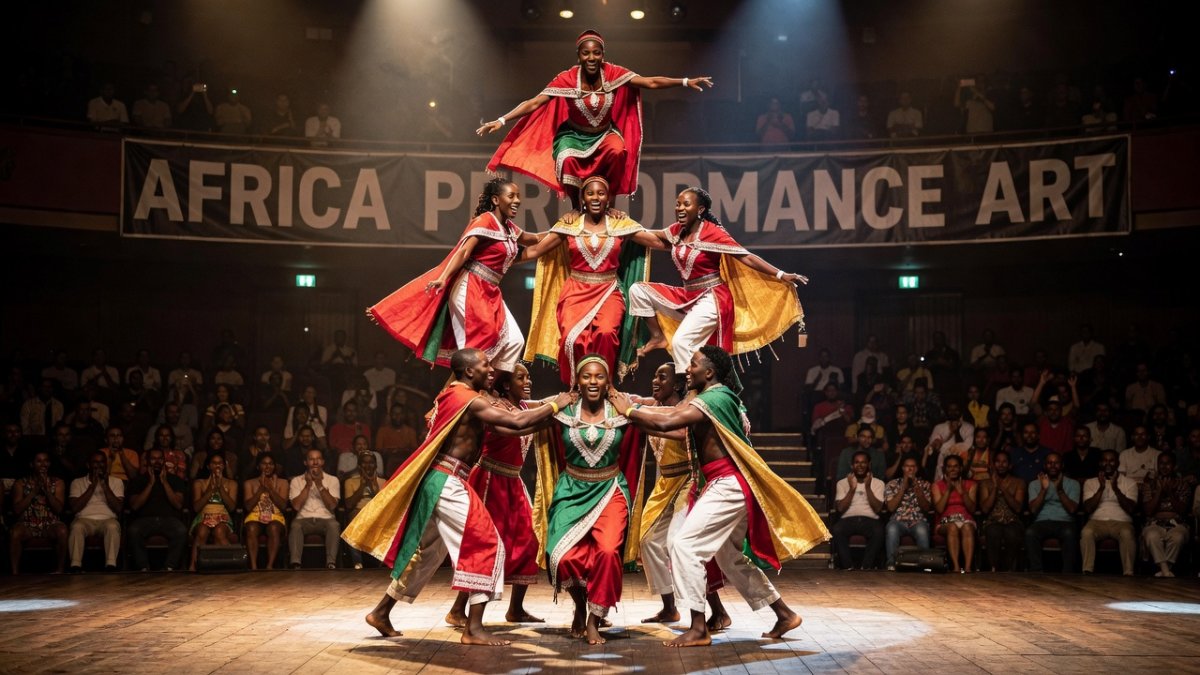
Sixth-century Saint Yared is credited with creating aqqwaqwam, a liturgical dance form that combines movement, chant, and rhythm within Ethiopian Orthodox church ceremonies. This sacred practice supplies foundational elements for many contemporary circus acts, including synchronized group movements and vocal layering. Traditional Ethiopian dance and music genres continue to inform the choreography of professional troupes operating in Addis Ababa today. Drums known as käbäro and sistrums appear in both liturgical settings and modern circus performances, creating audible links between ancient ritual and present-day spectacle. Researchers at Addis Ababa University have begun cataloging specific aqqwaqwam gestures that reappear in current circus routines developed by Troupe Kolfe and similar ensembles.
Acrobatics, contortionism, pole balancing, and juggling have featured in communal celebrations across Ethiopian regions for generations before formal circus schools emerged. Addis Ababa University scholars documented how these physical expressions migrated from rural festivals into urban training centers during the late twentieth century. The integration of such elements allows Ethiopian performers to distinguish their work from Western circus traditions that emphasize different technical priorities. Community elders in rural areas still perform versions of these movements during annual harvest gatherings, preserving techniques that later appear on international stages. University researchers plan to publish a bilingual catalog that maps these connections for both domestic and foreign audiences.
Broader African performance traditions influence Ethiopian circus artists through shared rhythmic sensibilities and movement vocabularies. Senegalese mbalax music, for example, shares polyrhythmic structures with Ethiopian drumming patterns that circus musicians adapt during rehearsals. The Saint-Louis Jazz Festival in Senegal and the Dakar Biennale have hosted Ethiopian performers in recent years, fostering cross-continental exchanges that enrich choreography. Artists returning from these events report incorporating new sequencing ideas while retaining core aqqwaqwam motifs. Such connections strengthen the case for viewing Ethiopian circus arts as part of a larger African continuum rather than an isolated phenomenon.
Church archives in Addis Ababa contain manuscripts describing Saint Yared's compositions that modern circus directors consult when developing thematic pieces. University researchers interviewed senior clergy members to verify how specific gestures traveled from sanctuary spaces into secular performance venues. The käbäro drum remains central to both contexts, providing consistent tempo references that help performers maintain synchronization during complex sequences. Addis Ababa University has allocated funding for a three-year study examining these transmissions across multiple generations of artists. Findings from the project are expected to inform curriculum development at training institutions nationwide.
Contemporary troupes frequently invite traditional musicians to collaborate on original scores that blend liturgical chants with contemporary arrangements. This approach preserves cultural continuity while appealing to international festival programmers seeking authentic expressions. Researchers note that pole balancing acts often echo processional movements once performed during religious festivals in the northern highlands. The university cataloging effort includes video documentation that will be archived for future generations of performers and scholars. Such documentation supports arguments for recognizing Ethiopian circus arts as intangible cultural heritage worthy of national protection measures.
Circus on the Continental Stage: AU Summit and Beyond
The 39th African Union Summit gala dinner in Addis Ababa featured circus performances alongside traditional music and dance presentations for heads of state and diplomatic guests. Troupe Kolfe and Blackbird executed shortened versions of their international routines inside the Ethiopian National Palace for visiting African and Italian leaders. Ethiopia's Ministry of Culture and Sports coordinated these appearances as part of a deliberate cultural diplomacy strategy aimed at projecting soft power across the continent. Several African delegations expressed immediate interest in developing similar circus programs in their own capitals following the gala. Government budgets for 2027 now include dedicated line items for international festival participation and equipment procurement.
Ministry officials compared the approach to Senegal's use of the Dakar Biennale as a platform for cultural diplomacy that attracts both artistic and economic attention. Ethiopian performers at the summit gala incorporated elements of aqqwaqwam into their choreography, prompting discussions among West African delegates about comparable liturgical traditions in their countries. The National Palace events received live coverage on African Union media channels, extending visibility beyond the immediate audience of leaders. Additional showcases were arranged for Italian cultural representatives who later invited Ethiopian troupes to festivals in Rome and Milan. Budget allocations have increased by fifteen percent compared with the previous fiscal year to support these expanded activities.
Coordinators from the Ministry of Culture and Sports reported that the gala performances generated follow-up inquiries from at least eight member states interested in technical assistance. The presence of circus acts at such a high-level diplomatic event marks a shift from previous summits that relied primarily on musical and dance ensembles. Ethiopian cultural attaches stationed in other African capitals have begun preliminary conversations about bilateral training exchanges. The Ministry views these developments as validation of its long-term investment in circus infrastructure. Plans are underway to host a continental circus showcase during the next African Union gathering scheduled for 2027.
Performers described the National Palace stage as both an honor and a challenge due to the formal setting and security protocols. Ministry staff ensured that traditional Ethiopian instruments accompanied the acts to maintain cultural integrity throughout the evening. Delegations from countries without established circus programs requested informational packets detailing training models used in Addis Ababa. The increased budget lines reflect recognition that international visibility translates into tourism interest and sponsorship opportunities. Ethiopian officials cited Senegal's success with the Dakar Biennale as a benchmark for measuring long-term cultural and economic returns.
The gala dinner concluded with a joint curtain call involving multiple troupes, symbolizing unity across different performance disciplines. Ministry representatives noted that the event aligned with broader African Union goals of promoting intra-continental cultural cooperation. Follow-up meetings between Ethiopian officials and interested delegations are scheduled for later in 2026. The strategy positions circus arts as a dynamic export that complements Ethiopia's established reputation in athletics and music. Continued investment is expected to yield additional invitations for Ethiopian performers at future continental gatherings.
Social Circus: Transforming Lives Through Performance
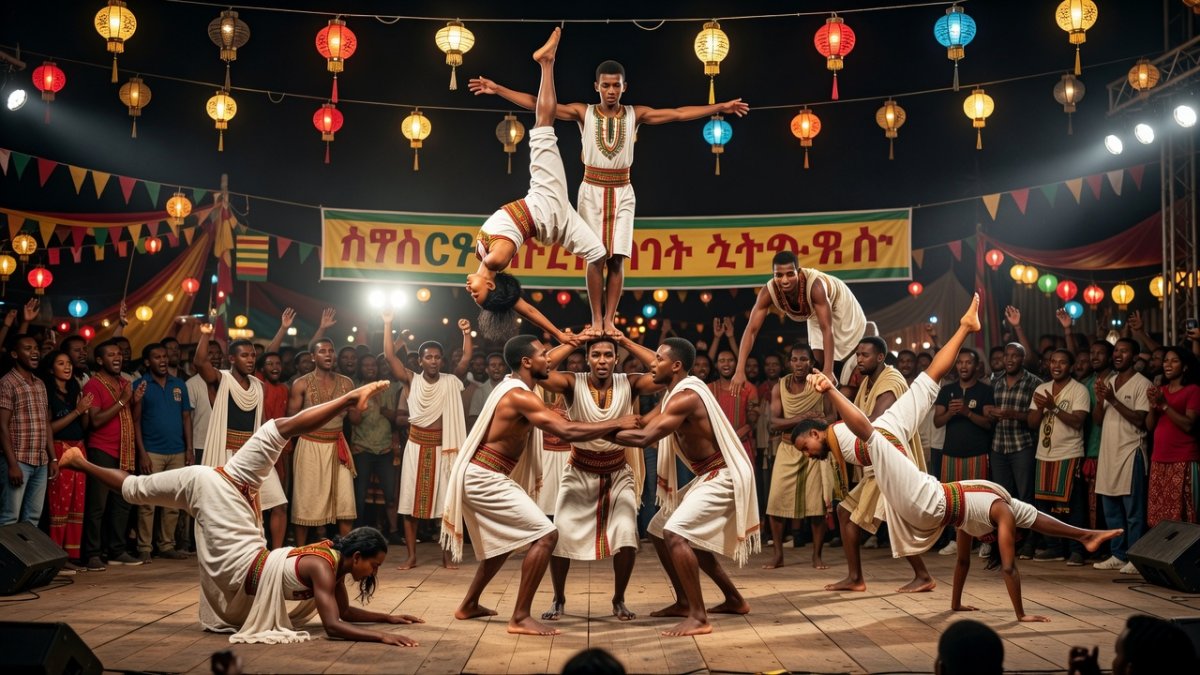
Ethiopian circus programs operate as social circus initiatives that train street youth in discipline, creativity, community values, and vocational skills. Circus Dessie and Circus Bahir Dar Art School stand out as notable training institutions that have graduated dozens of performers now active in professional troupes. Many graduates from these programs join ensembles such as Troupe Kolfe, where they apply skills acquired during residential training periods. The pathway from social circus participation to international competition provides tangible economic opportunities including performance contracts and sponsorship deals. Community leaders in Bahir Dar report measurable reductions in youth idleness around the art school since its expansion five years ago.
Circus Dessie offers structured morning and evening sessions that combine physical conditioning with life skills workshops covering financial literacy and conflict resolution. Instructors at Circus Bahir Dar Art School emphasize group formations that mirror the collaborative nature of traditional Ethiopian communal celebrations. Graduates frequently credit the programs with providing alternatives to precarious street economies in regional cities. The Ministry of Culture and Sports has begun tracking employment outcomes for alumni, noting that several now earn steady incomes through festival bookings. Local businesses in Bahir Dar have sponsored equipment purchases after observing improved community engagement around the school.
Training at these institutions incorporates elements of aqqwaqwam to ground technical skills in cultural context familiar to participants. Social circus coordinators organize public demonstrations that allow families to witness progress and build support for continued enrollment. Alumni from Circus Dessie have performed at events alongside Youssou N'Dour and Baaba Maal during cross-continental tours, illustrating the reach of the training model. The programs maintain waiting lists that exceed capacity, prompting calls for additional facilities in other regional centers. Ministry evaluations indicate that participants show improved school attendance rates compared with peers not involved in circus activities.
Instructors integrate Senegalese mbalax rhythms into some warm-up exercises to expose students to broader African musical influences. Community leaders in Bahir Dar credit the art school with fostering intergenerational dialogue as parents attend student showcases. The life skills component includes sessions on conflict resolution that draw on traditional mediation practices alongside modern techniques. Several graduates have returned as assistant coaches, creating a sustainable pipeline of local expertise. The Ministry plans to replicate elements of the Bahir Dar model in additional cities based on documented outcomes.
Partnerships with international festivals such as the Saint-Louis Jazz Festival have provided performance opportunities that further validate the social circus approach. Participants describe the training as transformative because it combines physical achievement with personal development milestones. Local government offices in Dessie have allocated space for expanded training areas following positive reports from community elders. The economic opportunities generated by international placements help offset initial program costs for families. Continued expansion depends on sustained government and private support for these social circus frameworks.
What Comes Next for African Circus Arts
Ethiopia's recent medal wins and festival appearances are accelerating global interest in African circus traditions across multiple continents. Cirque Kalabanté in Guinea and Zip Zap in South Africa represent other notable examples that have already established international reputations through consistent touring. Discussions about establishing a Pan-African circus festival that would rotate among Addis Ababa, Dakar, and Nairobi have gained momentum following the Monte-Carlo and Russian successes. Medal wins are generating measurable increases in tourism inquiries, corporate sponsorship offers, and potential export revenue from performance rights. New training facilities are planned for Kolfe and other districts to accommodate rising enrollment driven by the 2026 achievements.
Invitations for 2027 festivals in Europe and Asia have already been secured by Troupe Kolfe and Blackbird, ensuring continued visibility on the world stage. Collaborations with established events such as the Dakar Biennale are under negotiation to create joint programming that highlights multiple African circus traditions. Ministry officials anticipate that these partnerships will attract additional funding from international cultural organizations. The Pan-African festival concept includes provisions for youth exchange components modeled on successful elements of the Saint-Louis Jazz Festival. Ethiopian performers view these developments as opportunities to mentor emerging artists from across the continent.
Cirque Kalabanté has expressed interest in technical exchanges with Ethiopian troupes following the Monte-Carlo results. Zip Zap representatives attended the Idol festival in Russia and initiated conversations about possible co-productions. The proposed Pan-African circus festival would feature competitive and showcase segments alongside workshops that preserve traditional movement vocabularies. Tourism boards in Addis Ababa project increased visitor numbers during future international events hosted in the capital. Sponsorship interest from Ethiopian companies has risen sharply since the Silver Clown announcement, providing new revenue streams for training programs.
Facility planning for Kolfe includes dedicated spaces for contortion and juggling specialization that currently lack sufficient infrastructure. Invitations for 2027 already encompass festivals in France, Japan, and Brazil, expanding the geographic reach of Ethiopian circus arts. Collaborations with the Dakar Biennale would allow Ethiopian artists to participate in visual arts contexts that complement their performance work. The Ministry of Culture and Sports is preparing policy recommendations to formalize circus arts within national cultural heritage frameworks. Growing momentum suggests that African circus presence worldwide will continue expanding beyond the achievements recorded in 2026.
Performers from multiple troupes have begun documenting their experiences to share with younger artists considering international careers. The combination of competitive success and social impact positions Ethiopian circus programs as a replicable model for other African nations. Festival organizers in Europe and Asia have requested proposals for extended residencies that would deepen cultural exchange. Ethiopian officials remain focused on balancing international exposure with domestic program development to sustain long-term growth. The trajectory established in 2026 indicates that African circus arts are entering a period of sustained global integration.
By Amara Diop, Staff Writer
This article was produced with AI-assisted research and editorial support. Reporting is based on sources cited in the article.
What's Your Reaction?
 Like
0
Like
0
 Dislike
0
Dislike
0
 Love
0
Love
0
 Funny
0
Funny
0
 Wow
0
Wow
0
 Sad
0
Sad
0
 Angry
0
Angry
0

West Africa/Sahel Correspondent at Global1.News. Dakar-based journalist covering politics, security, climate, and development across Francophone and Anglophone West Africa. Tells the stories of a region undergoing profound transformation.














Comments (0)