
Omar Artan's Rise, Rejection & Return as Somali Referee
Omar Artan's Rise as Africa's Top Referee Omar Artan stands as a clear example of what dedication can produce even in the most difficult settings. The 34-year-old Somali official earned the Confederation of African Football men's referee of the year title in 2025 after years of steady work across the continent. His selection among 52 referees for the 2026 World Cup marked the f
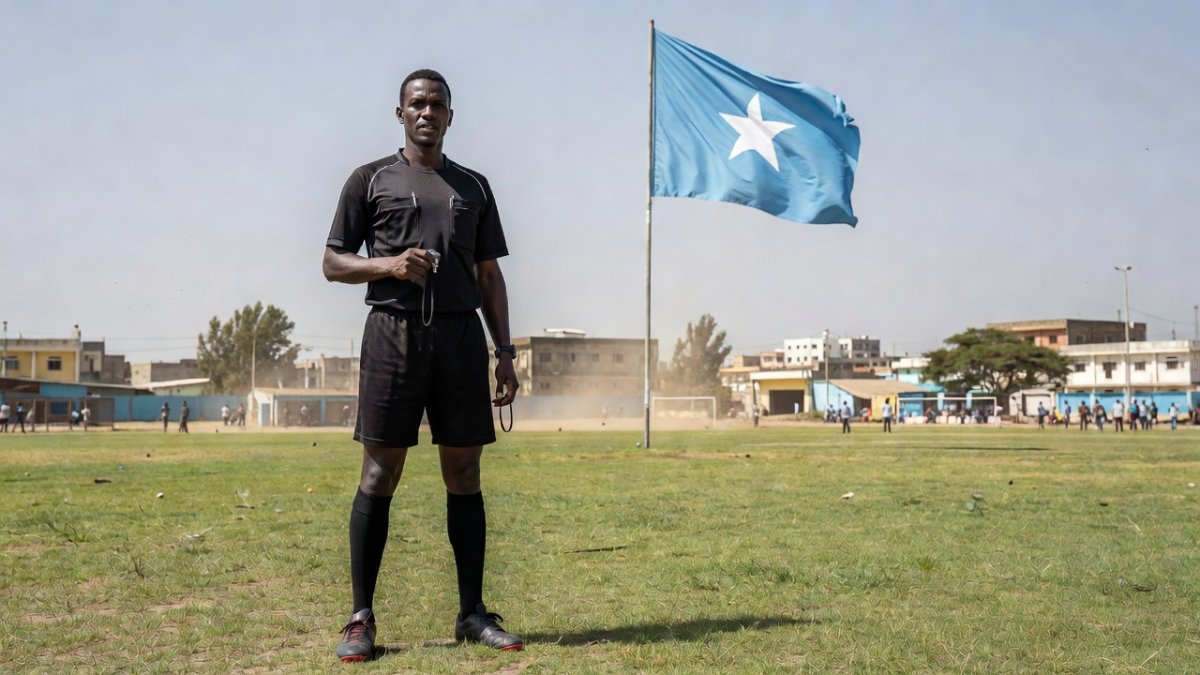
Omar Artan's Rise as Africa's Top Referee
Omar Artan stands as a clear example of what dedication can produce even in the most difficult settings. The 34-year-old Somali official earned the Confederation of African Football men's referee of the year title in 2025 after years of steady work across the continent. His selection among 52 referees for the 2026 World Cup marked the first time a Somali would officiate at the finals, a milestone that resonated far beyond Mogadishu.
From my vantage point in Senegal, where football threads through daily conversations in Dakar markets and village fields, Artan's story carries special weight. It shows how talent from the Horn of Africa can reach the highest levels when given space to grow.
Denied Entry Despite Valid Documents
Artan arrived at Miami International Airport on Monday carrying both a diplomatic passport and a single-entry US visa. Customs and Border Protection officers questioned him for 11 hours before refusing admission. A Trump administration source cited derogatory information, including alleged associations with suspected members of terror organisations, as the reason for ineligibility under the Immigration and Nationality Act.
Andrew Giuliani, who leads the White House Task Force on the World Cup, supported the decision without providing further details. Somalia appears on the list of 12 countries subject to the current US travel restrictions. The Somali government has begun diplomatic efforts to address the matter, though outcomes remain uncertain at this stage.
From Neighbourhood Pitches to Continental Recognition
Artan's path began after a leg injury ended his playing career in Mogadishu. He first used a whistle during a local dispute when players asked him to step in. Former head of referees Osman Jama Dirac, killed in 2017, provided early guidance that shaped his approach. Artan received Fifa listing in 2018 and became the first Somali to officiate an Africa Cup of Nations match when he handled Tunisia versus Namibia in January 2024.
By November 2025 he had earned Caf's top male award. He later oversaw the second leg of the African Champions League final between AS FAR of Morocco and Mamelodi Sundowns of South Africa. These assignments reflect consistent performance across multiple African federations rather than sudden elevation.
Return to a Hero's Welcome in Somalia
Artan landed back in Somalia on Wednesday to greetings from government officials, Somali Football Federation representatives, fellow referees and residents. He met President Hassan Sheikh Mohamud at the Presidential Palace and is scheduled to appear at a public event at Mogadishu Stadium.
Artan expressed gratitude to ministers, members of parliament and the wider public. He promised to officiate at the next World Cup and urged Somali youth not to lose hope in their country. President Mohamud has previously described him as a symbol of inspiration for the new generation.
What This Means for African Sports Professionals
Across the continent, referees, players and coaches travel frequently for tournaments, training and administrative duties. When entry to major host nations becomes unpredictable, even with proper documentation, the practical effect reaches beyond one individual. Senegalese officials who manage national team logistics know how much preparation goes into each trip; sudden barriers disrupt schedules and morale.
Artan's case highlights a wider pattern where professionals from countries on travel lists face extra scrutiny regardless of their personal records. This creates hesitation among federations when planning events that involve US venues and raises questions about equal access to global platforms.
African Dignity on the World Stage
Football remains one of the clearest arenas where African nations demonstrate excellence and organisation. Artan's selection already represented progress for Somali sport after years of rebuilding domestic structures. The denial at the border, based on information he has publicly rejected, places an additional layer of difficulty on that progress.
From Senegal to South Africa, communities follow these stories closely because they reflect how the continent is received internationally. Artan's measured response and continued commitment to his nation offer a model of steadiness that many recognise in their own daily efforts to advance despite external obstacles.
Looking Forward with Measured Resolve
The Somali Football Federation and government continue their diplomatic work. Artan has stated his intention to keep representing his country at the highest level. For African sports bodies, the episode serves as a reminder to strengthen regional competitions and alternative pathways while advocating for fair treatment of officials and athletes.
Stories like this travel quickly through African networks. They prompt conversations about dignity, preparation and persistence that extend well beyond the pitch.
By Amara Diop, Staff WriterThis article was produced with AI-assisted research and editorial support. Reporting is based on sources cited in the article.
What's Your Reaction?
 Like
0
Like
0
 Dislike
0
Dislike
0
 Love
0
Love
0
 Funny
0
Funny
0
 Wow
0
Wow
0
 Sad
0
Sad
0
 Angry
0
Angry
0

West Africa/Sahel Correspondent at Global1.News. Dakar-based journalist covering politics, security, climate, and development across Francophone and Anglophone West Africa. Tells the stories of a region undergoing profound transformation.











Comments (0)