
Ethiopia Approaches a Pivotal Moment at the Ballot Box
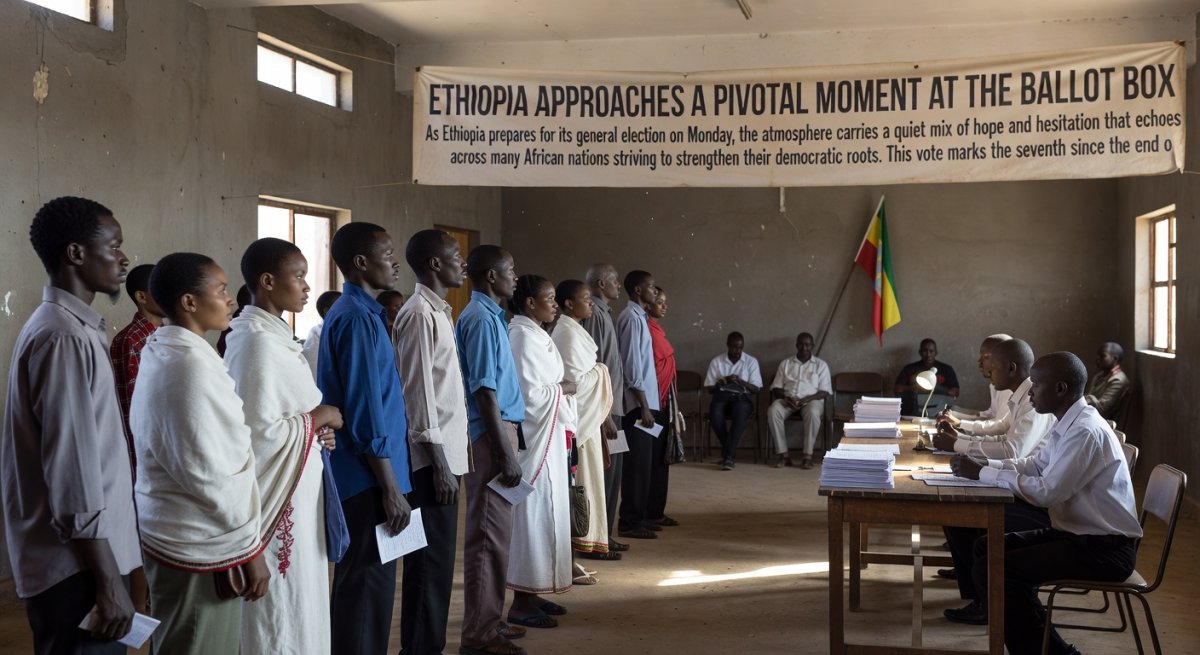
Ethiopia Approaches a Pivotal Moment at the Ballot Box As Ethiopia prepares for its general election on Monday, the atmosphere carries a quiet mix of hope and hesitation that echoes across many African nations striving to strengthen their democratic roots. This vote marks the seventh since the end of military rule in 1991, yet widespread conflict means millions will stay home.
Ethiopia Approaches a Pivotal Moment at the Ballot Box
As Ethiopia prepares for its general election on Monday, the atmosphere carries a quiet mix of hope and hesitation that echoes across many African nations striving to strengthen their democratic roots. This vote marks the seventh since the end of military rule in 1991, yet widespread conflict means millions will stay home. The northern region of Tigray stands completely excluded after its brutal civil war ended in 2022, while violence in Amhara and Oromia casts long shadows over daily life.
Voices Silenced by Conflict and Exclusion
In Tigray, home to an estimated six million people, no voting will occur in any of its 38 constituencies. Residents still recovering from a conflict that claimed around 600,000 lives now face fresh political tensions, including disputes over the TPLF's legal status and lost territories like western Tigray. Similar struggles unfold in Amhara and Oromia, where Fano militias and the Oromo Liberation Army clash with government forces, killing over 9,400 people in 2024 alone and displacing hundreds of thousands. These realities remind us how conflict disrupts the simple act of casting a ballot, a challenge felt in communities from the Sahel to the Horn.
Prime Minister Abiy and the Prosperity Party's Path
Prime Minister Abiy Ahmed, who rose to power in 2018 after dissolving the EPRDF coalition, leads the Prosperity Party into this contest. Voters will choose representatives for the 547-member parliament, with the party needing at least 274 seats to form the government. Though Abiy himself is not directly elected, his party is widely expected to secure a strong majority. Opposition figures like Prof Merera Gurdina of the Oromo Federalist Congress describe the race as the least competitive in recent memory, participating mainly to avoid deregistration. This dynamic highlights the delicate balance between stability and genuine competition that many African societies navigate.
Pressures on Media and Public Discourse
Independent voices face tight restrictions, with outlets like the BBC denied accreditation and Ethiopia ranking 148 out of 180 countries in the 2025 press freedom index. Reports from Human Rights Watch and the Committee to Protect Journalists detail arbitrary arrests of journalists and revoked credentials. Yet ordinary Ethiopians, including young first-time voters like Fenet Dereje in Addis Ababa, express quiet determination that the outcome could bring economic and political steadiness to their families and futures.
What This Means for African Democracy and Regional Stability
Ethiopia's story touches the broader African experience of building inclusive governance amid ethnic diversity and economic pressures. With a population of 135.9 million and GDP per capita projected to reach $1,133 by 2026, the country represents both promise and peril. Tensions with Eritrea over Red Sea access and the Pretoria peace accord add layers of regional risk, while Abiy's urban projects in Addis Ababa show visible change alongside concerns over displacement. As neighbors watch, the call for dialogue over confrontation grows louder, underscoring our shared responsibility to nurture peace across the continent.
Daily Life and the Weight of Expectations
For everyday Ethiopians, the election arrives against rising costs, insecurity, and hopes for better opportunities. Government claims that 97 percent of areas in Amhara and Oromia are election-ready contrast with opposition concerns about unsafe campaigning conditions. In this moment, the resilience of communities shines through, much like the spirit that sustains African societies facing similar crossroads. The outcome will shape not just Ethiopia but the wider conversation on how democracy takes root in challenging soils.
By Amara Diop, Staff WriterThis article was produced with AI-assisted research and editorial support. Reporting is based on sources cited in the article.
What's Your Reaction?
 Like
0
Like
0
 Dislike
0
Dislike
0
 Love
0
Love
0
 Funny
0
Funny
0
 Wow
0
Wow
0
 Sad
0
Sad
0
 Angry
0
Angry
0

Israel Correspondent at Global1.News. Based in Tel Aviv, covering Israeli politics, security, technology, and society. Provides balanced, deeply-sourced reporting on one of the most closely-watched regions in the world.










Comments (0)