
Surviving Captivity: Yazidi Women Reclaim Their Lives After IS Abduction
The Morning the World Changed — Shireen's abduction On 3 August 2014, nineteen-year-old Shireen sat in her family home in Sinjar preparing for a high school examination when Islamic State militants stormed the building. The sudden intrusion shattered the quiet routine of a young woman focused on her studies and future. Within moments, armed fighters seized her and several relat
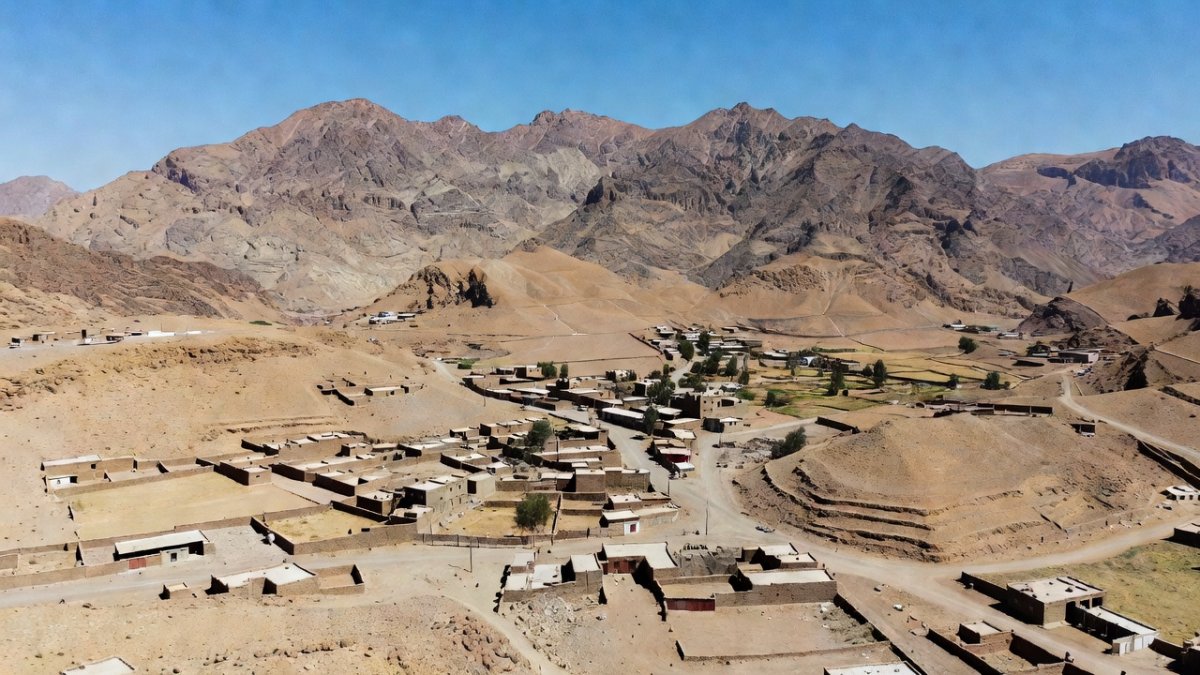
The Morning the World Changed — Shireen's abduction
On 3 August 2014, nineteen-year-old Shireen sat in her family home in Sinjar preparing for a high school examination when Islamic State militants stormed the building. The sudden intrusion shattered the quiet routine of a young woman focused on her studies and future. Within moments, armed fighters seized her and several relatives, forcing them into vehicles that carried them away from the only life they had known. The date marks the beginning of a systematic campaign against the Yazidi community that would separate families and destroy countless futures in a single day.
Shireen was quickly transported to Tal Afar and sold as a sex slave to an Islamic State militant. Three months later she was resold to a fighter named Abu Omar who kept her inside a house in Mosul. She later recalled his false declarations of affection, noting that genuine care never involves rape. These words capture the profound betrayal she endured daily, as her captor used religious justifications to mask repeated sexual violence and complete control over her movements and body.
From the first hours of captivity, Shireen understood that her previous plans for education and independence had been erased. The militants who entered her home that August morning represented an organized effort to target Yazidi women and girls specifically. Her abduction was not an isolated incident but part of a coordinated assault on an entire religious minority whose members were viewed as property to be bought, sold, and discarded at will.
Two Years of Systematic Abuse — life in captivity
For more than two years Shireen remained confined inside Abu Omar’s house in Mosul with no opportunity to step outside. Two guards stood permanently at the entrance, ensuring she could not escape or even see the street beyond the walls. Her daily existence consisted of cooking, washing dishes, and cleaning the home while living under constant surveillance and the threat of further violence. The routine was designed to break her spirit and erase any sense of personal autonomy.
Abu Omar later brought two additional Yazidi girls into the household, one six years old and the other ten. Their presence added new layers of fear and responsibility as Shireen witnessed the same pattern of abuse inflicted on children. She continued to plead for mercy during repeated rapes, yet her captor ignored every request. The psychological toll of watching young girls suffer alongside her compounded the physical trauma she already carried.
Throughout this period, Shireen received no news of her family or community. The isolation was total, with every aspect of her life dictated by the militant who claimed ownership over her. The combination of forced labor, sexual violence, and enforced silence created conditions intended to destroy individual identity and prevent any possibility of resistance or escape.
The Children Who Never Came Home — the young Yazidi girls
Among the thousands taken in 2014 were hundreds of Yazidi children whose ages made them especially vulnerable to exploitation. The two young girls brought to Abu Omar’s house at six and ten years old represent the many minors who endured captivity alongside adult women. Their presence in the household illustrated how Islamic State extended its system of sexual slavery to the youngest members of the targeted community without regard for age or innocence.
Shireen’s account reveals the additional suffering these children faced while separated from parents and siblings. They were forced into the same domestic and sexual servitude imposed on older captives, with no protection from the violence that surrounded them. The trauma inflicted on such young victims continues to affect their development and ability to form trusting relationships long after physical release.
Many of these children remain missing years later, their fates unknown to surviving relatives. The systematic targeting of minors formed a deliberate strategy to erase future generations of Yazidis through both killing and forced assimilation. The stories of those who survived captivity as children now require specialized care that addresses both physical injuries and profound psychological wounds sustained during their formative years.
Liberation and the Price of Survival — Mosul campaign aftermath
In 2016 Iraqi forces advancing during the Mosul campaign freed Shireen from the house where she had been held. The military operation that liberated her also claimed the lives of her uncle and several friends who had been caught in the fighting. While physical freedom arrived, it came at the immediate cost of additional family members and left her with new grief layered upon the losses already suffered since 2014.
Shireen’s father and sister have never been located since the initial attacks on Sinjar. Their continued absence leaves an open wound that no liberation can fully close. The uncertainty surrounding missing relatives affects thousands of Yazidi families who must navigate daily life while hoping for information that may never arrive. Each survivor carries both relief at their own release and the persistent pain of incomplete reunions.
Returning to society after years of captivity required Shireen to confront a changed world in which her previous support networks had been destroyed. The physical freedom gained during the Mosul campaign marked only the beginning of a longer process of rebuilding identity and trust. Many survivors face similar challenges as they attempt to reconstruct lives interrupted by prolonged violence and separation from everything familiar.
A Doctor Who Refuses to Turn Away — Dr Nagham Nawzat's story
After her release, Shireen met Dr Nagham Nawzat, a Yazidi gynaecologist working at the Duhok Survivors’ Centre. The doctor provided medical care and emotional support that Shireen credits with helping her survive the aftermath of captivity. Without this assistance, Shireen has stated she would not be alive today. Dr Nawzat’s consistent presence offered a rare point of stability during a period of profound uncertainty and trauma.
Born in Mosul in 1976, Dr Nagham Nawzat graduated from the city’s Medical College in 2002. She has since dedicated her practice to treating survivors of gender-based violence, assisting an estimated 1,200 Yazidi women who endured similar experiences. In March 2016 she received the International Women of Courage Award from then-Secretary of State John Kerry in recognition of her work supporting women who had been targeted by Islamic State.
Dr Nawzat continues to provide specialized care despite the scale of need and the limited resources available. Her decision to focus on survivors reflects a commitment to addressing both the physical consequences of sexual violence and the long-term health requirements of women rebuilding their lives. The personal connection she maintains with patients like Shireen demonstrates the human element essential to recovery beyond clinical treatment alone.
The Centre That Heals — Duhok Survivors' Centre
The Duhok Survivors’ Centre, supported by funding from the United Nations Population Fund, stands as the only facility in Iraq dedicated specifically to treating gender-based violence. Located in the Kurdistan Region, it offers medical examinations, psychological counseling, and practical support to women who escaped Islamic State captivity. The centre’s specialized focus allows staff to address the complex health needs that standard hospitals are often unequipped to handle.
Survivors arriving at the centre receive care tailored to the particular forms of trauma they experienced during years of sexual slavery and forced domestic labor. The facility provides a safe environment where women can speak about their experiences without fear of stigma or further harm. This combination of medical treatment and confidential support has proven essential for individuals attempting to regain a sense of control after prolonged captivity.
Staff at the centre work with limited resources to serve a growing number of women who continue to emerge from difficult circumstances. The UNFPA backing enables the provision of services that would otherwise be unavailable in Iraq. For many survivors, the centre represents the first place where their experiences are acknowledged and addressed with professional compassion rather than judgment or indifference.
A Genocide the World Acknowledges — UN recognition and ongoing crisis
The United Nations has described the 2014 attacks on the Yazidi community as an ongoing genocide targeting a religious minority. At least 12,000 Yazidis were killed or kidnapped during the initial assault and subsequent period of captivity. This official recognition acknowledges the systematic nature of the violence, including mass killings, sexual slavery, and forced conversions intended to destroy the group’s existence as a distinct people.
Despite international acknowledgment, the crisis facing remaining Yazidi populations continues. Many survivors still lack access to adequate medical care, housing, and legal documentation required to rebuild stable lives. The destruction of Sinjar and surrounding villages has left thousands displaced, with limited prospects for safe return or compensation for lost property and family members.
The genocide designation carries implications for international responsibility and the need for sustained support. Recognition alone does not automatically deliver resources or protection to those still affected. Ongoing efforts to document cases and provide services remain necessary as new survivors come forward and existing needs persist across generations.
Justice Delayed — the search for accountability
Years after the 2014 attacks, few perpetrators of the sexual slavery system have faced meaningful legal consequences. The militants who bought and sold women like Shireen operated within an organized structure that treated captives as commodities. Holding individual fighters and commanders accountable requires evidence collection, witness protection, and judicial processes that many survivors find difficult to navigate while managing trauma.
Shireen’s testimony about her time in Mosul and Tal Afar contributes to the historical record of crimes committed. However, translating personal accounts into successful prosecutions demands resources and political will that have often been insufficient. The absence of comprehensive justice leaves survivors without the closure that formal accountability might provide.
International and local courts continue to examine cases related to Islamic State crimes against Yazidis. Progress remains slow, with many victims waiting for recognition of the specific violations they endured. The gap between documented atrocities and delivered justice underscores the challenges of addressing mass violence through existing legal frameworks.
By Fatima Al-Rashid, Staff WriterThis article was produced with AI-assisted research and editorial support. Reporting is based on sources cited in the article.
What's Your Reaction?
 Like
0
Like
0
 Dislike
0
Dislike
0
 Love
0
Love
0
 Funny
0
Funny
0
 Wow
0
Wow
0
 Sad
0
Sad
0
 Angry
0
Angry
0
Gulf/MENA Correspondent at Global1.News. Based in Doha, covering Gulf politics, energy markets, diplomacy, and development across the Middle East and North Africa. Tracks the economic transformation of the Gulf states.










Comments (0)