
African Entertainment and Culture Shine at 2026 World Cup
Africa's Record Presence at the World Cup The 2026 FIFA World Cup marks a historic milestone for the continent with a record 10 African nations qualifying, the highest number ever. Morocco, Senegal, Ghana, Nigeria, Cameroon, Tunisia, Algeria, South Africa, Egypt, and Ivory Coast bring their distinct identities to the tournament. From Senegal's perspective, this achievement refl
Africa's Record Presence at the World Cup
The 2026 FIFA World Cup marks a historic milestone for the continent with a record 10 African nations qualifying, the highest number ever. Morocco, Senegal, Ghana, Nigeria, Cameroon, Tunisia, Algeria, South Africa, Egypt, and Ivory Coast bring their distinct identities to the tournament. From Senegal's perspective, this achievement reflects the deep cultural pride that runs through West African communities, where football serves as both sport and shared heritage.
Senegal's participation carries special weight because of the nation's tradition of teranga, the Wolof concept of hospitality that extends to every visitor and every celebration. As the Lions of Teranga prepare to showcase their skills, fans in Dakar and across the diaspora see the team as ambassadors of Senegalese warmth and resilience. This record qualification allows African nations to present their stories on the global stage in ways that go beyond the pitch.
The presence of these ten teams creates opportunities for cultural exchange that echo across generations. In markets from Thiès to Abidjan, conversations turn to how each country's unique rhythms and colors will appear in stadiums and fan zones. The moment underscores Africa's growing influence in world football while highlighting the continent's vibrant entertainment traditions that travel with every supporter.
The Opening Match Cultural Context
South Africa's opening match against Mexico on June 11, 2026, at Azteca Stadium carried deep significance for the continent. The 2-0 defeat included three red cards, an unprecedented occurrence in a World Cup opener, with Sphephelo Sithole and Themba Zwane sent off for South Africa and Cesar Montes dismissed for Mexico. Despite the result, the moment placed an African team at the center of global attention from the first whistle.
For Senegalese observers, South Africa's appearance evoked memories of shared struggles and triumphs across the continent. The red cards added drama, yet they also highlighted the intensity African teams bring to every contest. Julian Quinones, who scored the tournament's first goal for Mexico, could not overshadow the symbolic weight of an African side opening the competition.
This match set the tone for how African nations would navigate the tournament. The physical and emotional demands mirrored the everyday resilience found in communities from Dakar to Johannesburg. South Africa's presence reminded viewers that African football carries cultural narratives of perseverance that resonate far beyond the final score.
Music, Dance, Fashion: African Rhythms at the World Cup
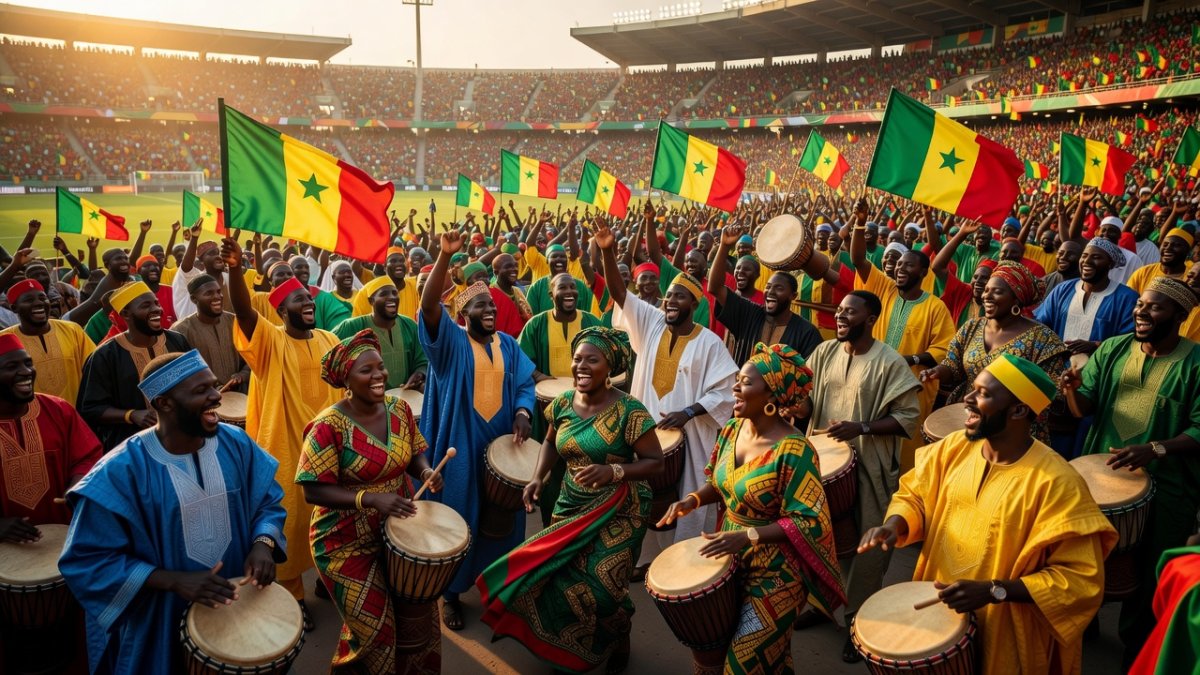
African rhythms have long accompanied the continent's football journeys, and the 2026 tournament amplifies this connection. Djembe drums from West Africa, including Senegal, traditionally mark celebrations in villages and cities alike. As teams from Senegal, Ivory Coast, and Ghana advance, supporters anticipate these instruments blending with stadium chants to create an unmistakable atmosphere.
Afrobeats, rooted in Nigerian and Ghanaian sounds, travels with fans and players, turning fan zones into spaces of movement and joy. Traditional attire such as Senegalese boubous and vibrant prints from across the ten nations adds visual richness to the stands. These elements transform matches into cultural festivals that honor heritage while welcoming global audiences.
Stadium culture in Africa often merges song, dance, and color into unified expressions of identity. In Senegal, teranga extends to how supporters host fellow Africans and international visitors through shared music and fashion. The 2026 World Cup offers a platform where these traditions reach new heights, allowing creative expressions to accompany every goal and every gathering.
Teranga Denied
The experience of Somali referee Omar Artan reveals painful contradictions at the heart of Africa's World Cup participation. Despite holding a diplomatic passport and valid visa, Artan, named 2025 Caf men's referee of the year, was denied entry to the United States. Officials cited alleged associations with suspected members of terrorist organizations, a claim that shocked many across the continent.
From a Senegalese viewpoint, this denial clashes directly with the spirit of teranga that defines how West Africans welcome guests and representatives. Artan later received an appointment from UEFA to officiate the Super Cup match between Paris St-Germain and Aston Villa in Salzburg on August 12, underscoring his professional standing. The contrast highlights barriers that prevent African voices from fully participating in global events hosted on their own continent's behalf.
Several other African officials and journalists encountered similar visa difficulties when attempting to cover the tournament. These incidents cast a shadow over the record qualification of ten nations and raise questions about equitable access. The irony lies in closed gates greeting those who embody Africa's commitment to fair play and cultural exchange.
How Fans Across the Continent Are Celebrating
Viewing parties have sprung up from Dakar to Nairobi as communities gather to follow the ten African teams. In Senegal, neighborhoods organize screenings that blend football with traditional meals and music, extending the hospitality of teranga to every participant. These gatherings strengthen social bonds while allowing families to share in the excitement of continental representation.
The Senegalese diaspora in Europe and North America hosts parallel events that connect distant communities through live broadcasts and cultural performances. Supporters of Ghana, Nigeria, and Ivory Coast join these spaces, creating pan-African moments that transcend national borders. The celebrations emphasize joy and unity even when results prove challenging.
Across the continent, markets and public squares become temporary stadiums where elders and youth alike debate tactics and celebrate goals. These fan experiences reflect Africa's deep-rooted entertainment traditions, where sport serves as a catalyst for collective expression. The record number of qualified teams ensures that such gatherings continue throughout the tournament.
What This Means for African Entertainment
The 2026 World Cup provides unprecedented global visibility for African creative industries. With ten nations participating, musicians, designers, and filmmakers gain platforms to reach international audiences through team-related content and fan culture. Senegal's teranga spirit offers a model for how hospitality can shape positive narratives around the continent's entertainment output.
Opportunities arise for collaborations that blend traditional sounds like the djembe with contemporary genres, expanding markets for African artists. The tournament's spotlight encourages investment in local production of music, fashion, and media that capture the energy of the event. This visibility builds on existing strengths in Nollywood, Afrobeats, and West African cultural exports.
Future opportunities depend on addressing barriers such as the visa challenges faced by officials like Omar Artan. When African representatives receive full access, the creative sectors benefit from authentic storytelling and partnerships. The record qualification signals a turning point where entertainment traditions rooted in teranga and continental pride can influence global conversations for years to come.
By Amara Diop, Staff WriterThis article was produced with AI-assisted research and editorial support. Reporting is based on sources cited in the article.
What's Your Reaction?
 Like
0
Like
0
 Dislike
0
Dislike
0
 Love
0
Love
0
 Funny
0
Funny
0
 Wow
0
Wow
0
 Sad
0
Sad
0
 Angry
0
Angry
0
Canada Correspondent at Global1.News. Based in Toronto, covering Canadian politics, energy, trade, and US-Canada relations. Provides the Canadian perspective on North American and global affairs.










Comments (0)