
England vs Mexico World Cup: Earlier Kick-Off Due to Weather
England's World Cup Last-16 Fixture Against Mexico Set for Earlier Kick-Off The proposed adjustment to England's last-16 encounter with Mexico at the 2026 World Cup reflects ongoing concerns over weather conditions in Mexico City. Media reports indicate the match, originally slated for a 1am BST start on Monday, equivalent to 6pm local time on Sunday, may now begin at 7pm BST o
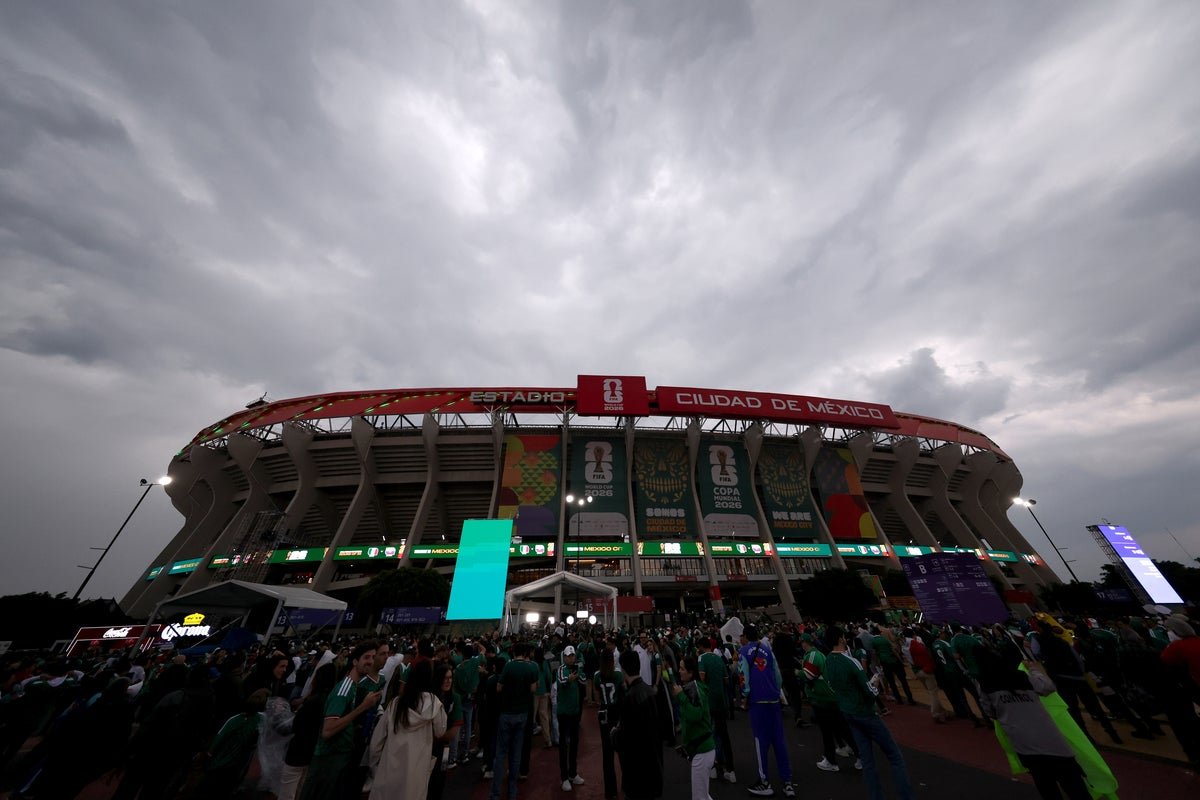
England's World Cup Last-16 Fixture Against Mexico Set for Earlier Kick-Off
The proposed adjustment to England's last-16 encounter with Mexico at the 2026 World Cup reflects ongoing concerns over weather conditions in Mexico City. Media reports indicate the match, originally slated for a 1am BST start on Monday, equivalent to 6pm local time on Sunday, may now begin at 7pm BST or noon local time. This shift of six hours aims to mitigate risks associated with storms that could disrupt proceedings under tournament safety protocols.
Sources close to the matter, including those cited by Mexican outlets and corroborated by the BBC, suggest the change stems from forecasts highlighting significant storm activity during the later slot. FIFA has yet to issue an official confirmation, though discussions are described as active. The governing body retains explicit powers under its regulations to cancel, reschedule or relocate matches at its sole discretion, providing the framework for such alterations.
This development arrives amid a tournament already marked by weather-related interruptions. An earlier start would align better with domestic viewing patterns in the United Kingdom, where late-night fixtures often strain audience engagement. The adjustment underscores the interplay between meteorological realities and the demands of global scheduling in a competition spanning multiple time zones.
Weather Risks Prompting the Potential Rescheduling
Mexico City faces a notable threat of storms that could trigger automatic delays if lightning is detected within eight miles of the stadium. Such rules have already enforced 30-minute suspensions in prior matches, including France's group-stage meeting with Iraq. The decision to advance the England fixture draws directly from these safety measures designed to protect players, officials and spectators.
Earlier in the week, Mexico's last-32 clash against Ecuador experienced a rain-induced delay, illustrating the region's vulnerability during this period. Forecasters anticipate similar conditions persisting into the weekend, raising the prospect of further interruptions if the original 6pm local kick-off were retained. Tournament organisers must balance competitive integrity with these environmental factors.
The eight-mile lightning threshold represents a precise operational guideline that leaves little room for discretion once activated. By moving the game forward, authorities seek to complete proceedings before peak storm hours, thereby avoiding the cumulative effects of repeated stoppages that could extend matches well into the night.
FIFA's Regulatory Framework and Decision-Making Process
FIFA regulations grant the organisation broad latitude to alter match timings without external approval, a provision invoked in previous editions when unforeseen circumstances arise. Current discussions involve multiple stakeholders, yet no formal announcement has emerged, leaving fans and broadcasters in a state of anticipation. This discretion ensures flexibility but also highlights the centralised nature of tournament governance.
The process involves coordination between host nation authorities, meteorological services and competing teams. Sources confirm that talks remain fluid, with the possibility of further tweaks if conditions evolve. Such measures prevent the kind of prolonged disruptions witnessed in earlier rounds, preserving the flow of the knockout phase.
Relocation remains an option under the same rules, though rescheduling appears the preferred route in this instance. The absence of immediate confirmation from FIFA reflects standard caution in high-stakes events, where premature statements could complicate logistics across the Americas.
Advantages for Supporters Watching from the United Kingdom
A 7pm BST start offers a far more accessible window for English fans compared with the original 1am slot, potentially increasing live viewership across households and communal venues. This timing coincides with typical evening routines, allowing broader participation without the fatigue associated with overnight broadcasts. Domestic interest in the Three Lions remains high following their progression to the last 16.
Viewers in different regions of the UK stand to benefit unevenly, with those in Scotland and Northern Ireland gaining similar advantages from the adjusted hour. The change aligns with patterns observed in previous tournaments where European-friendly kick-offs boosted engagement metrics. Broader accessibility could translate into heightened national conversation around the team's prospects against Mexico.
Analysts note that prime-time scheduling often correlates with stronger emotional investment from supporters, particularly when matches carry knockout implications. The proposed shift therefore carries implications beyond mere convenience, touching on the cultural resonance of major football events within British society.
Effects on Licensing Laws and Public Houses
Outgoing Prime Minister Sir Keir Starmer's decision to relax licensing restrictions, permitting pubs to remain open until 5am, was calibrated around the original late-night fixture. An earlier kick-off raises questions about whether these extended hours will still apply or require further adjustment by local authorities. Publicans across England and Wales have prepared staffing and stock levels accordingly.
Many establishments invested in promotional activities tied to the 1am start, including special menus and viewing packages. A midday local equivalent in Mexico City would shift the domestic experience to early evening, potentially altering revenue projections for venues reliant on late trade. The uncertainty surrounding FIFA's final decision adds complexity to these operational plans.
Pub culture forms a central element of football consumption in the UK, with communal viewing fostering social bonds during international tournaments. Any modification to timings therefore ripples through this ecosystem, affecting everything from transport links to security arrangements in town centres. Clarity from governing bodies would assist proprietors in finalising arrangements.
Debate Surrounding School Schedules and Young Viewers
Discussions continue over whether schools should permit later starts on the Monday following the match, enabling pupils to watch without compromising rest. Educational authorities in England have fielded queries from parents concerned about the balance between academic commitments and national sporting moments. Such flexibility echoes arrangements made during previous World Cups.
Children represent a significant portion of the audience for England matches, and an earlier kick-off reduces the likelihood of sleep disruption compared with a 1am start. Headteachers must weigh pastoral considerations against curriculum demands, particularly in the final weeks of the academic year. Regional variations in policy could emerge depending on local education department guidance.
The debate highlights broader tensions between sporting enthusiasm and child welfare standards. Organisations representing teachers have called for consistent national advice to avoid patchwork solutions that disadvantage certain areas. Ultimately, decisions will rest with individual institutions balancing these competing priorities.
Logistical Pressures on FIFA Scheduling and Overlapping Fixtures
The England match's earlier timing risks clashing with the Brazil versus Norway last-16 encounter, currently set for 9pm BST. Should the Three Lions require extra time, the two fixtures could overlap substantially, complicating broadcast rights and viewer attention. Reports suggest FIFA may delay the South American clash to 10pm BST to alleviate this pressure.
Coordinating multiple knockout matches across continents demands precise orchestration of venues, officials and media infrastructure. Any adjustment to one game necessitates recalibration of subsequent rounds, including quarter-final preparations. The governing body must ensure that rescheduling does not inadvertently disadvantage other participants through fatigue or travel issues.
These interconnected schedules illustrate the complexities of hosting a 48-team tournament with an expanded format. FIFA's experience in managing such variables will prove critical as the competition advances toward its conclusion. Further announcements are anticipated in the coming days to finalise arrangements.
Player Perspectives and Team Preparedness
Marcus Rashford characterised the potential change as not ideal yet expressed confidence that the squad would adapt effectively. His comments reflect a pragmatic approach common among professionals accustomed to variable conditions in international football. The forward's outlook emphasises resilience over complaint.
Midfielder Morgan Rogers noted that the team would be ready irrespective of timing, adding that an earlier start might even prove advantageous. Such statements from within the camp provide reassurance to supporters monitoring developments. Preparation routines, including recovery protocols, can be adjusted once official confirmation arrives.
The squad's focus remains on tactical execution against Mexico rather than external variables. Coaching staff have experience navigating similar disruptions, ensuring that mental and physical readiness takes precedence. This adaptability forms a cornerstone of England's campaign strategy at the tournament.
Broader Implications for the 2026 World Cup Tournament
The episode underscores the challenges of staging matches in regions prone to sudden weather shifts, particularly during the knockout stages where margins for error narrow. Tournament organisers face ongoing scrutiny over contingency planning as the event progresses through its later phases. Similar adjustments may arise in other fixtures if forecasts deteriorate.
Global audiences, including those in the UK, benefit from scheduling that respects both safety and accessibility. The interplay between local conditions in Mexico and viewing habits in Britain exemplifies the interconnected nature of modern World Cups. FIFA's handling of this matter will set precedents for future editions.
Ultimately, the resolution will influence perceptions of the competition's organisational competence. With the last-16 phase underway, attention now turns to how these decisions shape the path toward the final, maintaining the tournament's momentum while prioritising participant welfare.
By Erica Thornton, Staff WriterThis article was produced with AI-assisted research and editorial support. Reporting is based on sources cited in the article.
What's Your Reaction?
 Like
0
Like
0
 Dislike
0
Dislike
0
 Love
0
Love
0
 Funny
0
Funny
0
 Wow
0
Wow
0
 Sad
0
Sad
0
 Angry
0
Angry
0

US Politics and Policy Correspondent at Global1.News. Based in Washington DC, covering American politics, policy, elections, and the courts. Knows how the system works and tells you what it actually means.















Comments (0)