
NOAA Confirms El Niño Onset in the Tropical Pacific
NOAA Confirms El Niño Onset in the Tropical Pacific The US National Oceanic and Atmospheric Administration has declared that El Niño conditions are now under way in the tropical Pacific. Sea surface temperatures have risen sharply in recent months and crossed the 0.5C-above-average threshold that defines the event. This announcement follows the end of the cooler La Niña phase e
NOAA Confirms El Niño Onset in the Tropical Pacific
The US National Oceanic and Atmospheric Administration has declared that El Niño conditions are now under way in the tropical Pacific. Sea surface temperatures have risen sharply in recent months and crossed the 0.5C-above-average threshold that defines the event. This announcement follows the end of the cooler La Niña phase earlier this year and aligns with forecasts that anticipated the shift.
NOAA reported that above-average sea surface temperatures now stretch across the central to eastern equatorial Pacific Ocean. Winds above the equator have also begun to shift, showing that the atmosphere is responding to the warmer ocean. Researchers note that computer models already express high confidence in the event's potential strength.
Forecasts Point to a Very Strong Event
NOAA's June outlook assigned a 63 percent chance of a very strong El Niño during November-January. Such an event would rank among the largest since records began in 1950. The three strongest episodes in that period occurred in 1982/83, 1997/98 and 2015/16. Some models from the United States and the European Centre for Medium-Range Weather Forecasts indicate temperatures in the tropical Pacific could exceed 3C above average by the end of the year.
Prof Adam Scaife of the UK Met Office observed that the current warming phase rides on top of decades of human-caused global warming. This combination raises the possibility that actual temperatures in affected regions could reach unprecedented levels.
Drought and Fire Risks Rise Across Northern South America
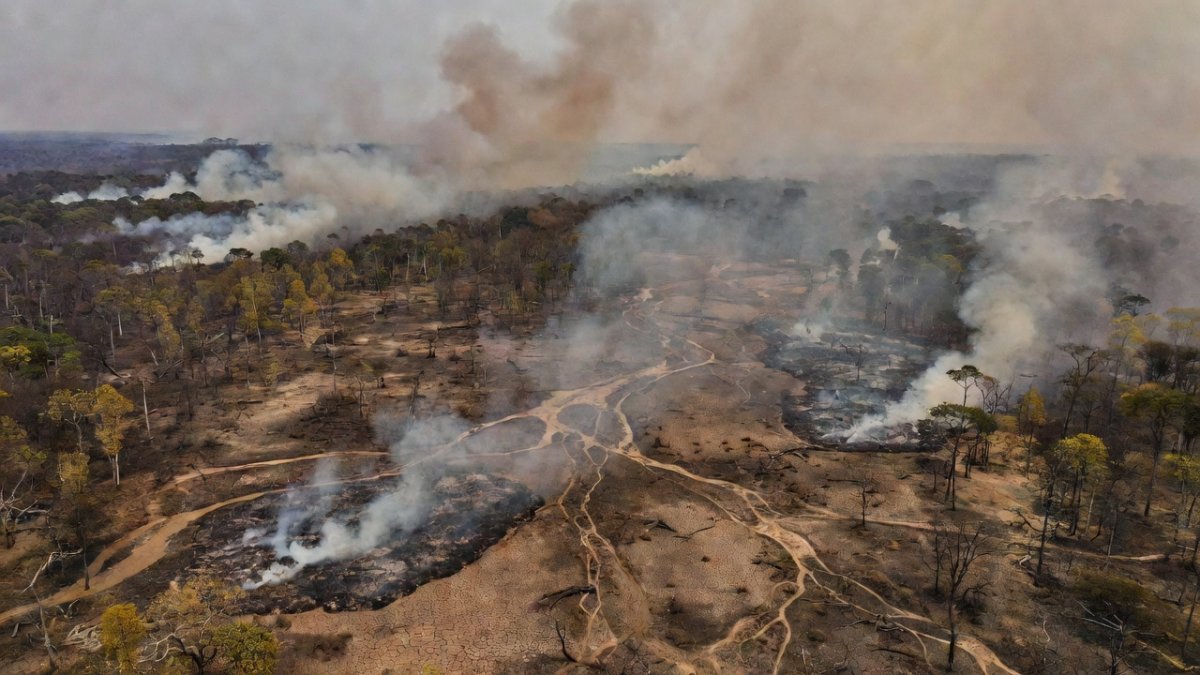
Northern South America, including Brazil's Amazon region and northern states such as Amazonas and Acre, faces elevated drought and wildfire risk during strong El Niño episodes. Reduced rainfall in these areas threatens the rainforest's moisture balance and increases the chance of uncontrolled fires that affect both ecosystems and nearby communities.
The Pantanal wetland, which spans parts of Brazil, Bolivia and Paraguay, also stands to experience drier conditions. Lower water levels can concentrate wildlife around shrinking water sources and heighten stress on cattle ranching and fishing livelihoods that support local economies in Mato Grosso do Sul and neighboring regions.
Flooding Concerns Grow in Peru and Ecuador
Northern Peru and southern Ecuador typically receive increased rainfall during El Niño years. Heavy downpours can trigger flooding along coastal rivers and in Andean foothills, damaging roads, homes and farmland. Government agencies in both countries have begun reviewing early-warning systems and drainage infrastructure in anticipation of above-normal precipitation.
These floods often arrive alongside warmer coastal waters that alter marine ecosystems and affect artisanal fishing communities. Past strong events have shown how quickly excess rain can overwhelm local preparedness measures in provinces such as Piura in Peru and Manabí in Ecuador.
Central America Faces Reduced Rainfall and Agricultural Strain
Central American nations stand to see suppressed rainfall as the El Niño pattern develops. Liz Stephens of the University of Reading noted that quieter Atlantic hurricane seasons, while reducing storm damage, also mean less seasonal rain for the isthmus. This combination can push staple-crop regions in Guatemala, Honduras and Nicaragua toward drought conditions.
Smallholder farmers who rely on rain-fed maize and beans may confront shortened growing seasons. Higher food prices could follow if yields decline, placing additional pressure on household budgets in rural areas already navigating economic challenges.
Agriculture and Regional Food Supplies Under Pressure
Across Latin America, El Niño tends to disrupt planting and harvest calendars. In Brazil's north and the Andean corridor, altered rainfall patterns can reduce output of soy, rice and coffee. Lower production volumes affect both domestic markets and export revenues that support national economies.
Food-supply chains that link Amazonian producers to urban centers in São Paulo and Rio de Janeiro may experience volatility. Elevated global temperatures layered on top of the El Niño effect could intensify heat stress on crops and livestock, compounding the challenge for agricultural ministries monitoring the season.
Global Warming Amplifies Regional Impacts
The current El Niño arrives on a planet that has already recorded its warmest years. A very strong event typically adds around 0.2C to global air temperatures by releasing stored ocean heat. This extra increment lands on top of existing warming and raises the likelihood of new temperature records through 2027.
Prof Scaife stated that excess heat on top of existing global warming could easily produce another year above 1.5C of warming above late-19th-century levels. For Latin American communities, these elevated baselines translate into more frequent heatwaves, altered river flows and greater strain on water-management systems.
By Elena Vasquez, Staff Writer
This article was produced with AI-assisted research and editorial support. Reporting is based on sources cited in the article.
What's Your Reaction?
 Like
0
Like
0
 Dislike
0
Dislike
0
 Love
0
Love
0
 Funny
0
Funny
0
 Wow
0
Wow
0
 Sad
0
Sad
0
 Angry
0
Angry
0

Latin America Correspondent at Global1.News. Based in Mexico City, covering politics, economics, energy, and culture across the region. Brings an on-the-ground perspective to stories spanning from the Rio Grande to Patagonia.















Comments (0)