
Egypt's World Cup Fever: Pharaohs Chase History Against Australia in First-Ever Knockout Match
Egypt's World Cup Fever: Pharaohs Chase History Against Australia in First-Ever Knockout Match Pharaohs Step Into Uncharted Territory Egypt meets Australia in the Round of 32 at the 2026 FIFA World Cup on Friday at AT&T Stadium in Arlington, Texas. This marks Egypt's first-ever World Cup knockout match after four previous appearances in 1934, 1990, 2018 and 2026. Head coach Hos
Egypt's World Cup Fever: Pharaohs Chase History Against Australia in First-Ever Knockout Match
Pharaohs Step Into Uncharted Territory
Egypt meets Australia in the Round of 32 at the 2026 FIFA World Cup on Friday at AT&T Stadium in Arlington, Texas. This marks Egypt's first-ever World Cup knockout match after four previous appearances in 1934, 1990, 2018 and 2026. Head coach Hossam Hassan leads a squad that includes Mohamed Salah, Hamdy Fathy, Hossam Abdelmaguid, Mohamed Abdelmonem, Ahmed El Fotouh and Mahmoud Saber. The winner advances to face either Argentina or Cape Verde.
Egypt finished second in Group G with five points after a 1-1 draw with Belgium, a 3-1 win over New Zealand and a 1-1 draw with Iran. Belgium topped the group on goal difference. Captain Mohamed Salah remains a doubt with a hamstring injury picked up against Iran, though optimism is growing that he will feature. Mohanad Lasheen sits out through yellow card accumulation. South African fans watching on SuperSport know exactly how rare these moments feel for African sides that have waited generations for a genuine shot at the last 16.
Cairo Shops Report Record Flag and Jersey Sales
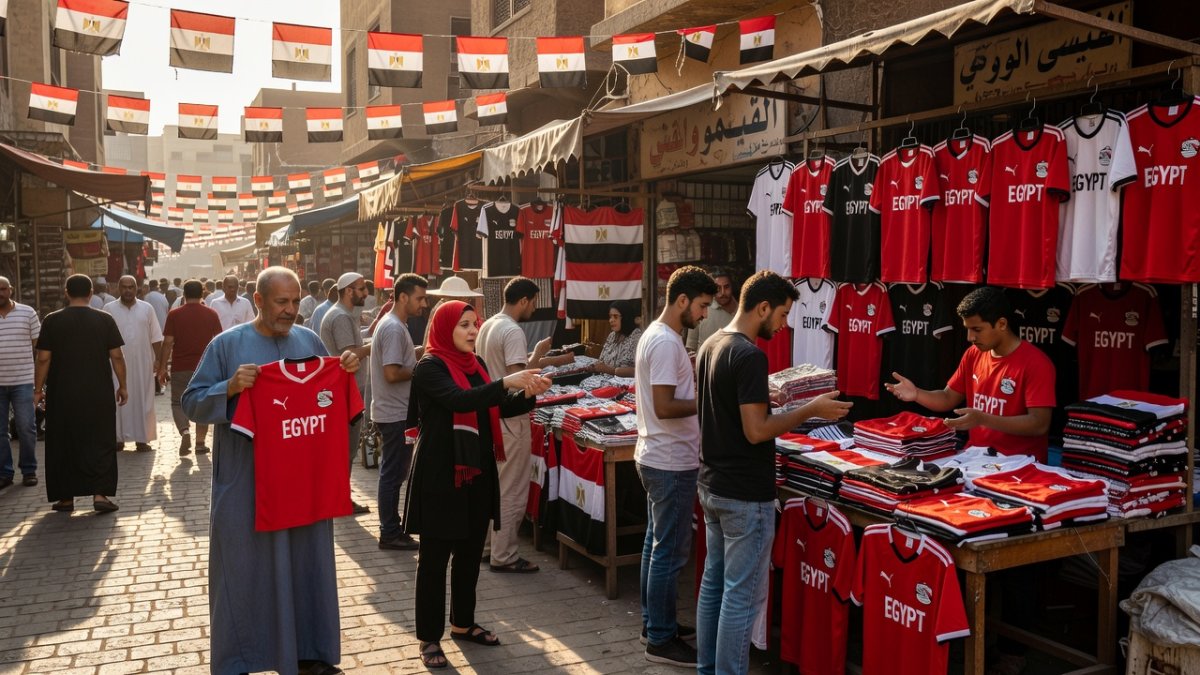
Al Jazeera English footage captured Cairo businesses experiencing a sharp surge in sales of Egyptian flags and national team jerseys in the days before the Australia clash. Shop owners along major thoroughfares described customers buying multiple items at once, with displays of Salah shirts and red-and-white flags emptying within hours. The scenes reflect the national focus on a team that has never before reached the knockout phase. Street vendors near Tahrir Square reported selling out of replica kits by midday this week, while flag sellers along the Nile corniche noted repeat buyers preparing for viewing parties.
One vendor near the Nile told Al Jazeera crews that families were purchasing three or four Salah jerseys in a single transaction, turning the corniche into a sea of red and white. Another shop owner on a main Cairo thoroughfare said the rush started immediately after Egypt secured second place in Group G and showed no sign of slowing. These commercial spikes mirror the emotional investment of a country that endured three straight group-stage defeats in 2018 and now sees a genuine chance to advance further than any previous Egyptian side. The energy spilling onto the streets connects directly to the same hunger South African supporters feel whenever Bafana Bafana push into new territory.
Mohamed Salah's World Cup Journey and Personal Stakes
Mohamed Salah stands as the most recognisable African player at the tournament. His potential availability against Australia carries weight beyond Egypt, serving as inspiration for young players in the PSL and across the continent. A hamstring concern adds tension, yet the growing optimism around his fitness reflects the medical and coaching support now available to top African talents. This match represents Salah's chance to finally move past the group stage after Egypt's 2018 campaign yielded zero points and three defeats.
Salah has carried the weight of Egyptian expectations through every World Cup appearance, yet none offered the knockout opportunity that arrives on Friday. His history of delivering in high-pressure moments for Liverpool makes the personal stakes even higher when he steps onto the AT&T Stadium pitch. South African youngsters following the PSL see in Salah the proof that African attackers can dominate at the highest level when given consistent support from national federations.
Tactical Breakdown: Egypt's Defense Against Australia's Attack
Egypt's defensive organisation under Hassan, built around Abdelmonem and Abdelmaguid, will test Australia's attacking transitions led by Irankunda. The centre-back pairing has shown discipline in the group phase, maintaining compact lines that limited Belgium and Iran to single goals each. Abdelmonem's aerial strength and Abdelmaguid's positioning create a barrier that forces opponents wide, exactly the area where Australia likes to operate through Irankunda's pace.
Australia finished second in Group D with four points after a 2-0 win over Turkey, a 2-0 loss to the USA and a 0-0 draw with Paraguay. Coach Tony Popovic fields a side featuring 20-year-old forward Nestory Irankunda, who has six goals in 18 caps, and centre-back Lucas Herrington. The only previous meeting between the teams ended in a 3-0 Egypt victory in a November 2010 friendly. Egypt's back line must stay compact against Irankunda's direct runs while Hamdy Fathy and Mahmoud Saber provide midfield cover to prevent second-phase attacks.
What to Watch For: Key Battles and Match Dynamics
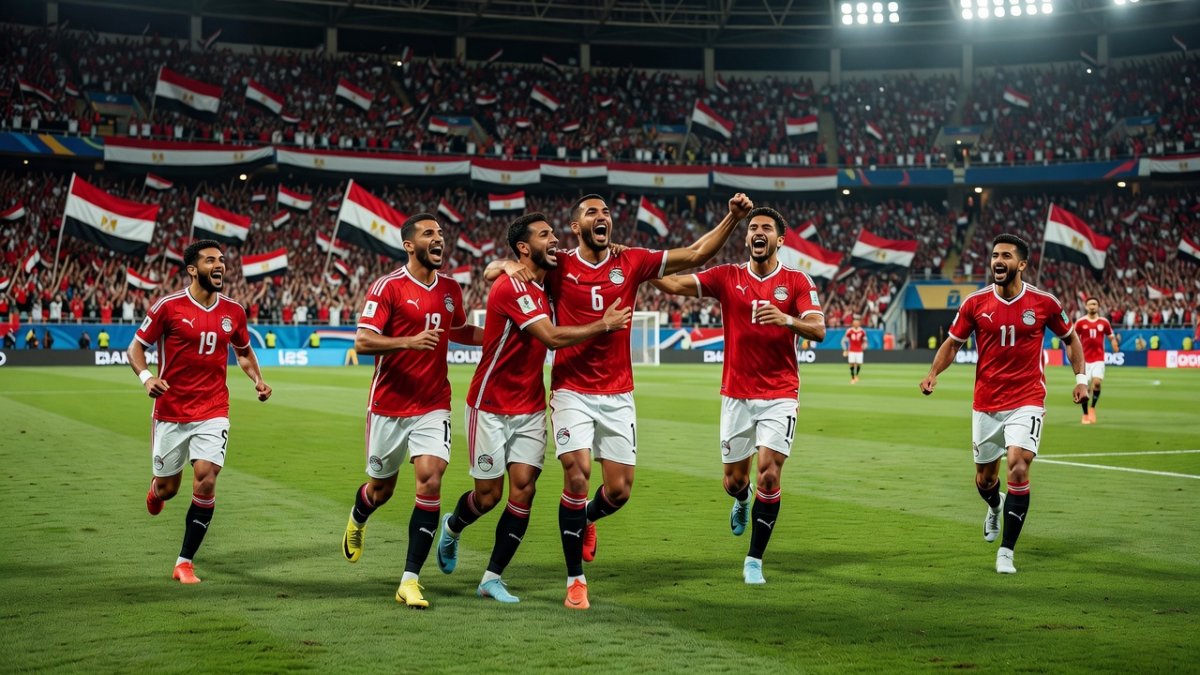
Set pieces will decide margins in this knockout fixture. Egypt's delivery from Ahmed El Fotouh and the physical presence of Abdelmonem and Abdelmaguid create constant threats at both ends. Australia will look to exploit transitions through Irankunda, but Egypt's compact shape under Hassan limits space for those runs. Substitutions could prove decisive, especially if Salah's hamstring forces an early change or if Popovic introduces fresh legs to chase the game after the hour mark.
Egypt must manage the physical demands of knockout football while maintaining the defensive discipline that earned five points in Group G. Australia reached the knockout rounds in 2006 and 2022, losing to eventual champions Argentina on the latter occasion, so they understand the intensity required. South African viewers will recognise the same tactical questions that Bafana Bafana face when they meet Canada later in the round of 16.
South Africa Shares the African Spotlight
South Africa also reached the knockout stage and will face Canada, marking the highest number of African teams ever in the round of 16. Nine nations qualified: Egypt, South Africa, Morocco, Algeria, DR Congo, Ivory Coast, Cape Verde, Ghana and Senegal. Tunisia was the only African side eliminated in the group phase. Bafana Bafana's presence alongside Egypt creates a shared narrative for South African and Egyptian supporters.
SAFA's development programmes and the MultiChoice Diski Challenge have produced players capable of competing at this level, while Egypt's resurgence under Hassan offers lessons in squad cohesion and tactical discipline that South African coaches can study. SuperSport's extensive coverage allows South African viewers to follow both teams' progress in real time. The broader rise of African football at the 2026 World Cup carries direct implications for SASCOC and the SA Sports Ministry, strengthening calls for increased investment in grassroots structures and professional pathways across the continent.
The Broader Record of Nine African Teams in the Knockout Stage
Reaching the last 16 would rank among Egypt's greatest football achievements and surpass the 2018 campaign that yielded no points. The presence of nine African sides in the knockout phase signals a genuine shift in continental strength. Egypt's journey from 2018 disappointment to this Friday's historic fixture demonstrates the rapid progress possible when national federations align coaching, selection and fan engagement.
South African supporters riding their own wave with Bafana Bafana recognise the same hunger. Continued success by Egypt, South Africa and the other seven nations proves that African teams can sustain performance across multiple matches when given proper preparation. The continent's record at this World Cup already exceeds previous tournaments and sets a benchmark for future cycles.
Forward-Looking: What Awaits the Winner Against Argentina or Cape Verde
Advancing past Australia would set up a last-16 clash with either Argentina or Cape Verde. For South African fans watching on SuperSport, the match offers tactical insights into how African sides can neutralise high-pressing opponents while managing the physical demands of knockout football. The Pharaohs carry the hopes of a nation that has waited decades for this moment.
South African supporters, riding their own wave with Bafana Bafana, recognise the same hunger and the same opportunity to write new chapters in African football history. Whatever the outcome on Friday, Egypt's first knockout appearance has already changed the conversation about what African teams can achieve when they reach the business end of the World Cup.
By Dante Williams, Staff WriterThis article was produced with AI-assisted research and editorial support. Reporting is based on sources cited in the article.
What's Your Reaction?
 Like
0
Like
0
 Dislike
0
Dislike
0
 Love
0
Love
0
 Funny
0
Funny
0
 Wow
0
Wow
0
 Sad
0
Sad
0
 Angry
0
Angry
0

Breaking News and Investigations Correspondent at Global1.News. Based in London, covering global breaking news, security, and investigative stories. Known for digging deeper and connecting the dots across continents.









Comments (0)