
Consumers Pull Back as Retail Sales Slide: The Numbers Exposing Real Wallet Pain
Consumers Pull Back as Retail Sales Slide: The Numbers Exposing Real Wallet Pain The March Drop Exceeds Forecasts Retail spending at US retailers fell in March as consumers pulled back after the banking crisis fueled recession fears. Retail sales, adjusted for seasonality but not inflation, fell by 1% in March from the prior month, the Commerce Department reported. That was ste
The March Drop Exceeds Forecasts
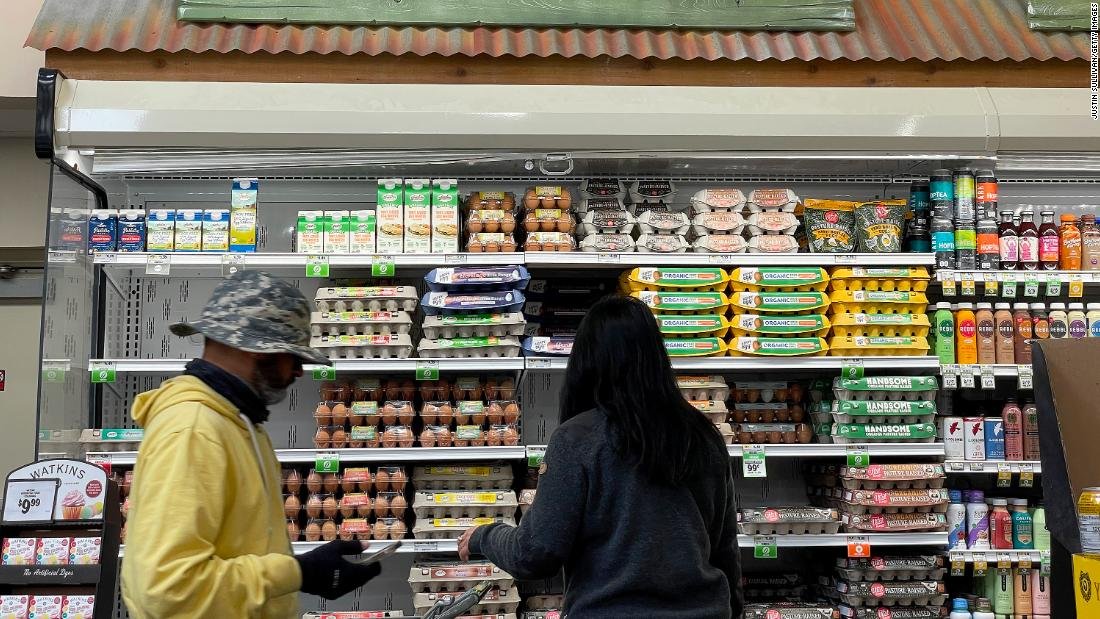
Retail spending at US retailers fell in March as consumers pulled back after the banking crisis fueled recession fears. Retail sales, adjusted for seasonality but not inflation, fell by 1% in March from the prior month, the Commerce Department reported. That was steeper than the expected 0.4% decline.
These figures cut through any optimistic spin. A steeper-than-expected decline signals households are choosing caution over consumption, and the gap between forecast and reality shows how quickly sentiment can shift when banking stability wavers.
Tax Refunds Shrink and Spending Retreats
The IRS issued $84 billion in tax refunds this March, about $25 billion less than March 2022. That led consumers to pull back at department stores and on durable goods like appliances and furniture.
Spending at general merchandise stores fell 3% in March from the prior month. Spending at gas stations declined 5.5%. Excluding gas stations, retail spending retreated 0.6%. Smaller tax returns and the expiration of enhanced food assistance benefits played a role, economists say.
Aditya Bhave, senior US economist at BofA Global Research, told CNN: "March is a really important month for refunds. Some folks might have been expecting something similar to last year." Credit and debit card spending per household tracked by Bank of America moderated in March to its slowest pace in more than two years.
Wall Street Jitters Reach Main Street Wallets
The banking crisis did not stay confined to financial headlines. When Silicon Valley Bank and Signature Bank collapsed, Fed economists had already forecast subdued growth with risks of a recession. Those risks translated directly into household decisions to delay big purchases.
From an Atlanta perspective, the pattern looks familiar. Regional banks serve many small businesses and households in the Southeast. When confidence erodes there, spending on furniture, appliances, and general merchandise drops first. The Commerce Department data shows exactly that sequence playing out nationwide.
Income Growth Slows Even as Jobs Are Added
Average hourly earnings grew 4.2% in March from a year earlier, down from 4.6% in February — the smallest annual rise since June 2021. Employers added 236,000 jobs in March, a robust gain by historical standards but smaller than the average monthly pace of the prior six months.
Michelle Meyer, North America chief economist at Mastercard Economics Institute, noted: "The big picture is still favorable for the consumer when you think about their income growth, their balance sheet and the health of the labor market." Yet the wage slowdown and smaller tax refunds together paint a tighter picture for household budgets than the headline job number suggests.
Consumer Sentiment Holds but Inflation Fears Rise
The University of Michigan consumer sentiment held steady in April despite the banking crisis, but inflation expectations rose from 3.6% in March to 4.6% in April. Joanne Hsu, director of surveys of consumers at U of Michigan, said: "Consumers are expecting a downturn, they're not feeling as dismal as they were last summer, but they're waiting for the other shoe to drop."
That steady sentiment reading masks the real shift. Households are not panicking, but they are preparing. The jump in inflation expectations shows people anticipate higher costs ahead, which encourages further restraint on discretionary spending.
What the Data Means for Household Budgets
Year-over-year retail spending still rose 2.9%, but the monthly pullback reveals the direction of travel. When refunds arrive smaller and SNAP benefits expire, the money that once went to appliances or department-store purchases stays in checking accounts or covers higher food and energy bills.
For families in Atlanta and similar metro areas, the practical effect is delayed replacements for cars, furniture, and household equipment. Credit-card data from Bank of America confirms the moderation is broad, not limited to one region. The result is slower local retail traffic and pressure on businesses that rely on steady consumer outlays.
These trends are not abstract. They show up in smaller paychecks relative to prices, fewer big-ticket purchases, and a growing sense that the next economic shoe may still drop. The Commerce Department numbers make clear that the pullback has already begun. By Jessica Ali, Staff Writer
This article was produced with AI-assisted research and editorial support. Reporting is based on sources cited in the article.
What's Your Reaction?
 Like
0
Like
0
 Dislike
0
Dislike
0
 Love
0
Love
0
 Funny
0
Funny
0
 Wow
0
Wow
0
 Sad
0
Sad
0
 Angry
0
Angry
0

Editor-in-Chief at Global1.News. Atlanta-based journalist who cuts through the BS and tells it like it is. Lead anchor, host, and the voice you hear when the spin stops and the truth starts.














Comments (0)