
Colombia's 2026 Runoff Puts Amazon Future at Risk
Latin America’s largest intact rainforest faces an existential test as Colombia’s June 21 presidential runoff pits a right-wing candidate favoring aerial bioherbicide campaigns against a left-wing platform promising zero deforestation by 2030 and legal rights for the Amazon biome. The outcome will shape not only Colombia’s 483,000 square kilometers of Amazon territory but also
Latin America’s largest intact rainforest faces an existential test as Colombia’s June 21 presidential runoff pits a right-wing candidate favoring aerial bioherbicide campaigns against a left-wing platform promising zero deforestation by 2030 and legal rights for the Amazon biome. The outcome will shape not only Colombia’s 483,000 square kilometers of Amazon territory but also regional climate stability across the continent.
Colombia's Runoff Election Puts Amazon Future on the Ballot Amid Indigenous Violence
Bogotá, Colombia – June 21, 2026 — Colombian voters decide today between two radically different environmental agendas that will determine the fate of the Amazon, coca-growing regions, and the safety of environmental defenders. Right-wing candidate Abelardo de la Espriella leads polls at 50-53 percent against left-wing rival Cepeda at 45-47 percent, offering sharply contrasting approaches to biodiversity protection and rural development.
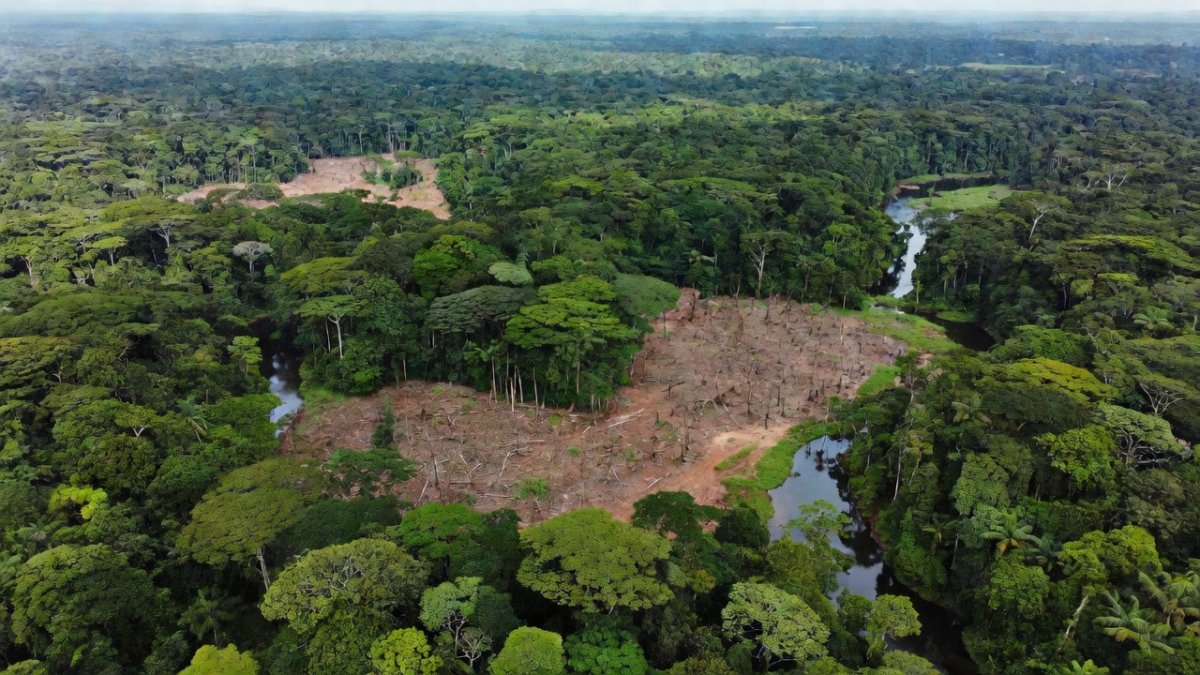
High-Stakes Election Frames Latin America’s Climate Crossroads
The June 21 runoff arrives at a critical moment for Latin American environmental governance. Colombia’s Amazon biome covers 42 percent of national territory, an area of 483,000 square kilometers that stores vast carbon reserves and regulates rainfall patterns reaching Brazil, Peru, and beyond. Voters must choose between Abelardo de la Espriella’s Agenda ABC, which emphasizes aerial spraying with bioherbicides over 330,000 hectares of coca using drones and manual teams, and Cepeda’s zero-deforestation target by 2030 supported by payments under the “Conservar Paga” program. De la Espriella’s Defensores de la Patria party argues that strict eradication will free land for legal agriculture, while Cepeda’s Pacto Histórico coalition insists community-led conservation and integral rural development offer the only sustainable path. Recent UNODC figures show coca cultivation rose from 253,000 hectares in 2023 to 261,000 hectares in 2024, underscoring the urgency. The election therefore tests whether Colombia will accelerate or reverse the deforestation drop from 174,000 hectares in 2021 to 79,000 hectares in 2023 recorded by IDEAM. Across the region, similar tensions between extraction and protection are playing out in Brazil and Ecuador, making Colombia’s decision a bellwether for continental climate policy.
Indigenous Voters Confront Violence in Cauca Front Lines
In the mountainous resguardos of Cauca, the Nasa people organized through the Consejo Regional Indígena del Cauca (CRIC) and their Guardia Indígena face direct threats as the runoff approaches. On June 18, 2026, Kokonuko indigenous leader and environmentalist Milton Cerquera was shot and killed while conducting territorial control actions in the Paletará resguardo, Puracé municipality. The United Nations Human Rights office in Colombia swiftly condemned the assassination, highlighting the persistent targeting of indigenous guardians. Al Jazeera correspondent Alessandro Rampietti reported from Inzá, Cauca, capturing widespread fears among communities that a de la Espriella victory could weaken protections for collective territories. Farmers in the region anxiously await the result to learn whether voluntary coca substitution programs will continue or be replaced by forced eradication. The Nasa have long defended forests through autonomous patrols, yet 165 environmental defenders were killed nationwide in 2025 alone, many in Cauca. Aida Quilcué, Nasa leader and CRIC representative now running as Cepeda’s vice-presidential candidate, frames the vote as a choice between life and further bloodshed. Indigenous turnout in Cauca could prove decisive in a contest where every percentage point matters.
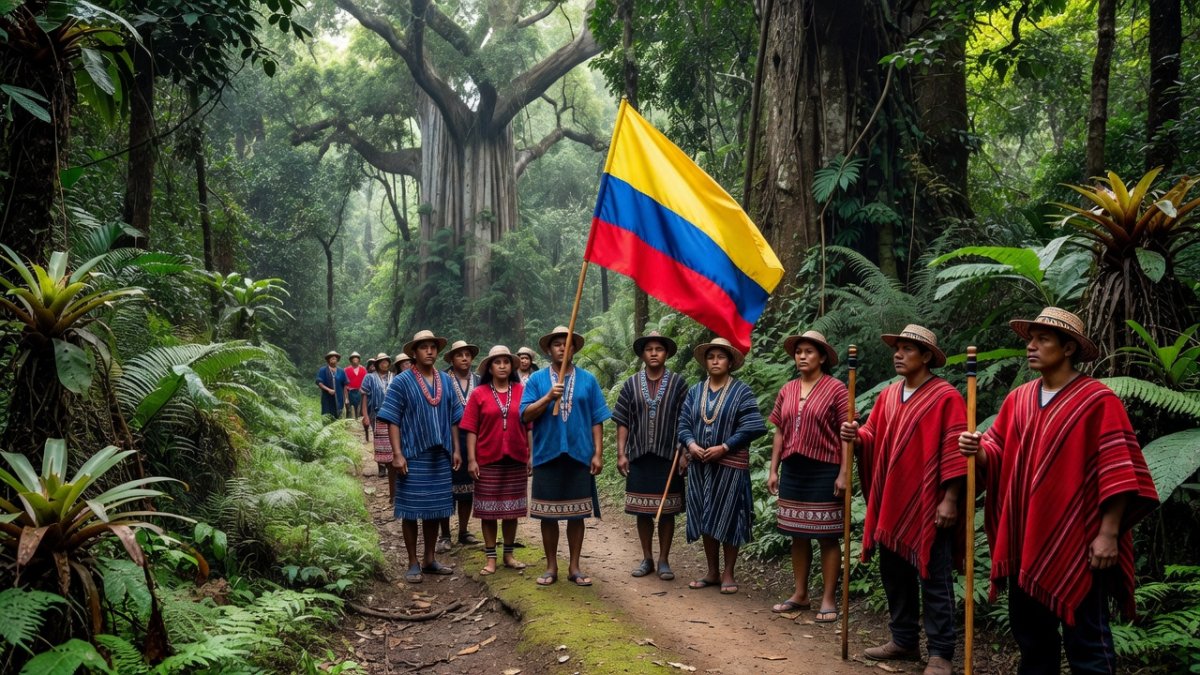
Amazon Protection Hinges on Reserve Designation and Rights
Cepeda’s platform treats the Amazon as a living territory possessing legal rights, aligning with emerging Latin American jurisprudence that recognizes ecosystems as subjects of law. His proposal includes expanding protected areas and strengthening Indigenous governance over the 183,540 hectares of forest cover lost in the Caquetá-Guaviare-Meta arc between 2020 and 2024. In contrast, de la Espriella’s Agenda ABC with Sandra Bessudo prioritizes security and eradication over new designations, arguing that existing reserves have failed to curb coca expansion. The Amazon biome’s 483,000 square kilometers represent a strategic carbon sink whose protection or degradation will influence global temperature targets. Cepeda’s “Conservar Paga” payments would compensate communities for keeping forests standing, building on successful pilots that reduced deforestation to 79,000 hectares in 2023. De la Espriella counters that bioherbicide spraying across 330,000 hectares will eliminate the economic driver of forest clearing. Both candidates acknowledge the 350,000 hectares lost in Guaviare department alone between 2002 and 2025, yet their solutions diverge sharply. The runoff therefore decides whether Colombia will pursue rights-based conservation or intensified eradication as the primary tool for Amazon governance.
Coca Cultivation and Deforestation Remain Locked in Cycle
Colombia’s coca cultivation reached 261,000 hectares in 2024 according to UNODC data, up from 253,000 hectares the previous year, illustrating the stubborn link between illicit crops and forest loss. The deforestation arc spanning Caquetá, Guaviare, and Meta lost 183,540 hectares of forest cover from 2020 to 2024, much of it tied to coca frontier expansion. Cepeda advocates comprehensive rural development and voluntary substitution, promising to break the cycle through land titling and alternative livelihoods. De la Espriella’s plan relies on aerial bioherbicide application without glyphosate, supported by drones and manual teams targeting 330,000 hectares. Historical evidence shows that forced eradication often displaces cultivation deeper into protected areas, accelerating deforestation. The 79,000-hectare deforestation figure achieved in 2023 demonstrates that progress is possible when communities receive support rather than coercion. Farmers in Inzá and surrounding municipalities are watching closely, knowing the winner will determine whether substitution programs survive or give way to renewed spraying campaigns. The election thus confronts the structural drivers that have kept coca and deforestation intertwined for decades.
Environmental Defenders Pay Ultimate Price for Protection
Colombia recorded 165 killings of environmental defenders in 2025, making it one of the world’s most dangerous countries for land and forest protectors. The June 18 assassination of Milton Cerquera in Cauca’s Paletará resguardo exemplifies the daily risks borne by indigenous leaders and guardia members. UN Human Rights Colombia documented the case and called for immediate investigation, yet impunity remains high. Cepeda’s campaign, bolstered by Aida Quilcué’s vice-presidential candidacy, pledges stronger state presence and community-led monitoring to reduce violence. De la Espriella emphasizes security operations that he claims will neutralize armed groups profiting from coca, indirectly protecting defenders. However, rights organizations note that militarized approaches have historically increased risks for local communities. The 165 deaths in a single year underscore how electoral outcomes directly affect the safety of those defending the 483,000 square kilometers of Amazon and other ecosystems. International observers are monitoring whether the next administration will prioritize defender protection or continue the pattern of neglect that has claimed hundreds of lives.
Fracking Ban and Climate Commitments Divide Candidates
Cepeda has pledged an outright ban on fracking, arguing that new fossil fuel projects contradict Colombia’s climate goals and threaten water sources feeding the Amazon. His platform links the fracking moratorium to the zero-deforestation target by 2030 and expanded “Conservar Paga” incentives. De la Espriella’s Agenda ABC does not address fracking directly but prioritizes energy security and agricultural expansion, raising concerns among climate advocates that unconventional extraction could advance. Colombia’s Amazon region already experiences pressure from mining and oil interests; a fracking expansion would add further stress to the 42 percent of national territory within the biome. The election therefore tests whether Colombia will align with regional leaders moving away from fossil fuels or pursue development models that risk locking in higher emissions. Cepeda’s stance resonates with Indigenous communities who view water and territory as interconnected rights, while de la Espriella’s supporters in agricultural zones see energy projects as economic opportunities. The climate implications extend far beyond Colombia’s borders.
Aida Quilcué Brings Indigenous Voice to National Ticket
Aida Quilcué, Nasa leader from Cauca and prominent CRIC figure, is campaigning as Cepeda’s running mate under the banner “vote for life and nature.” She emphasizes protecting “those who cannot vote: animals, nature, ecosystems,” framing the election as a referendum on whether Colombia will honor Indigenous knowledge in conservation policy. Her presence on the ticket highlights the stakes for the Guardia Indígena and resguardos that have defended forests despite 165 defender killings in 2025. Quilcué’s advocacy for treating the Amazon as a rights-bearing territory challenges traditional development paradigms and aligns with broader Latin American movements for ecological jurisprudence. De la Espriella’s campaign has not engaged directly with these proposals, focusing instead on eradication metrics and security. The visibility of an Indigenous vice-presidential candidate marks a historic shift, yet it also exposes Quilcué and her community to heightened risks, as evidenced by Milton Cerquera’s recent killing. Voters in Cauca and other Indigenous regions will weigh whether her platform offers genuine protection or remains aspirational.
The Bottom Line: A Defining Choice for Colombia’s Forests
With polls showing Abelardo de la Espriella at 50-53 percent and Cepeda at 45-47 percent, the June 21 runoff will decide whether Colombia accelerates aerial bioherbicide campaigns or pursues community-led conservation and zero deforestation by 2030. The data are stark: coca cultivation at 261,000 hectares, Amazon deforestation down to 79,000 hectares in 2023 yet still losing 183,540 hectares in key departments since 2020, and 165 environmental defenders killed in 2025. Indigenous communities in Cauca, still mourning Milton Cerquera, understand that the result will shape not only policy but personal safety. Aida Quilcué’s candidacy offers the possibility of embedding Indigenous territorial rights into national governance, while de la Espriella’s Agenda ABC promises rapid eradication through drones and bioherbicides. Latin America watches closely, knowing Colombia’s Amazon decisions reverberate across the continent’s climate future. The choice between these visions will determine whether the region’s largest rainforest continues its fragile recovery or faces renewed assault.
By Elena Vasquez, Staff Writer
This article was produced with AI-assisted research and editorial support. Reporting is based on sources cited in the article.
What's Your Reaction?
 Like
0
Like
0
 Dislike
0
Dislike
0
 Love
0
Love
0
 Funny
0
Funny
0
 Wow
0
Wow
0
 Sad
0
Sad
0
 Angry
0
Angry
0

Latin America Correspondent at Global1.News. Based in Mexico City, covering politics, economics, energy, and culture across the region. Brings an on-the-ground perspective to stories spanning from the Rio Grande to Patagonia.












Comments (0)