
Dominion vs. Fox: The $787.5 Million Reckoning That Exposed Media's Darkest Hour
Dominion vs. Fox: The $787.5 Million Reckoning That Exposed Media's Darkest Hour The Trial That Never Was The Delaware Superior Court in Wilmington buzzed with anticipation on April 17, 2023, as jury selection began in the Dominion Voting Systems defamation lawsuit against Fox News. Judge Eric Davis oversaw proceedings that promised to lay bare years of post-election chaos. Rep
The Trial That Never Was
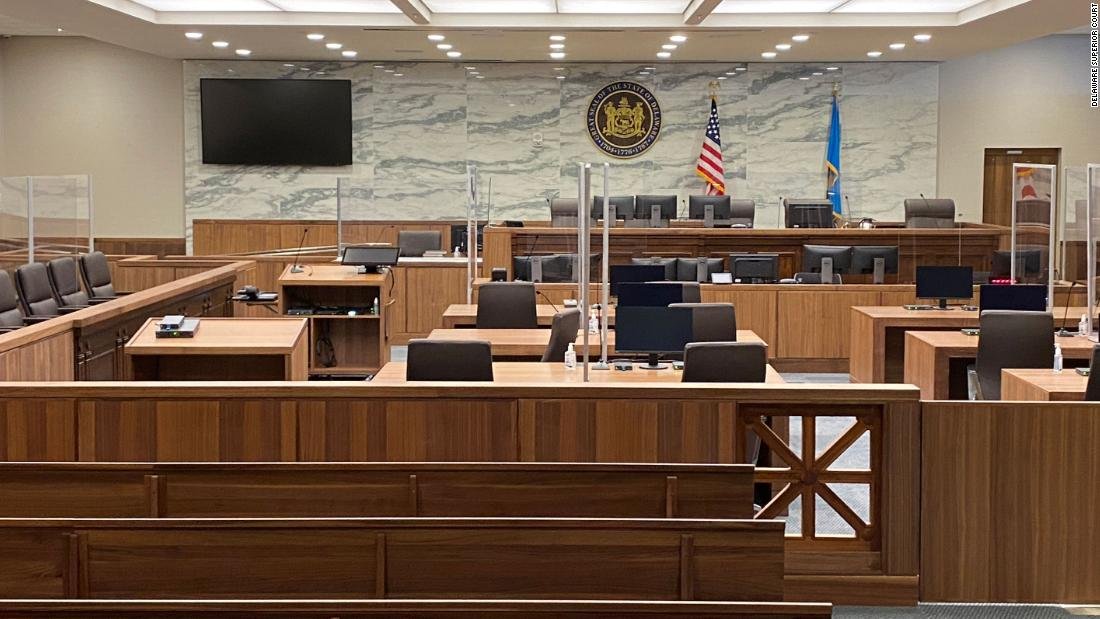
The Delaware Superior Court in Wilmington buzzed with anticipation on April 17, 2023, as jury selection began in the Dominion Voting Systems defamation lawsuit against Fox News. Judge Eric Davis oversaw proceedings that promised to lay bare years of post-election chaos. Reporters packed the gallery while legal teams prepared for what many viewed as a watershed moment in American media history. The stakes extended far beyond one company, touching the very credibility of broadcast journalism in a polarized nation.
At issue stood Dominion's claim that Fox had repeatedly aired false assertions about its voting machines flipping votes in the 2020 presidential election. The company sought damages exceeding $1.6 billion, arguing that Fox hosts and executives knowingly promoted lies to retain viewers. With opening statements scheduled for the following day, the courtroom atmosphere crackled with tension. Observers noted the unusual presence of high-profile attorneys on both sides, signaling the case's national significance.
Yet the trial never reached a verdict. On April 18, 2023, the parties announced a settlement that stunned observers and set records. Fox agreed to pay Dominion $787.5 million, the largest defamation settlement by any media company in U.S. history. Judge Eric Davis confirmed the resolution in open court, ending months of explosive discovery battles. The abrupt conclusion left many questions unanswered while delivering a clear financial blow to the network.
Legal analysts immediately dissected the implications, noting how the settlement avoided a public jury verdict that could have forced Fox to confront its internal contradictions under oath. The case had already revealed damaging evidence through pretrial filings. Dominion's attorneys had secured thousands of internal communications that painted a stark picture of private doubts versus public broadcasts. This outcome underscored the power of discovery in holding powerful institutions accountable.
Superior Court in Wilmington, Delaware — where the Dominion v. Fox trial was scheduled to begin. (CNN)
How We Got Here
Dominion Voting Systems filed its defamation lawsuit against Fox News in March 2021, alleging the network had systematically promoted baseless claims that its machines were rigged to steal the 2020 election from Donald Trump. The suit targeted specific on-air statements by hosts including Maria Bartiromo, Lou Dobbs, and Jeanine Pirro, who amplified allegations of fraud without evidence. Dominion argued these broadcasts caused severe reputational harm and lost business opportunities across multiple states.
The roots traced directly to the chaotic weeks after November 3, 2020, when Trump and his allies began promoting the so-called Big Lie about widespread election fraud. Fox initially called Arizona for Joe Biden on election night, drawing immediate backlash from conservative viewers. In response, the network shifted toward amplifying unverified claims from Trump allies, creating a feedback loop that sustained audience engagement at the cost of factual accuracy. Dominion became a convenient target for these narratives.
Internal pressure mounted as Fox faced competition from newer right-wing outlets willing to push fraud claims more aggressively. Executives worried about losing market share among viewers who demanded validation of Trump's assertions. This environment allowed repeated false statements about Dominion's technology to air without sufficient pushback or correction. The lawsuit documented how these choices escalated from isolated segments into a sustained campaign of misinformation.
By early 2021, Dominion had documented over 20 specific false claims broadcast on Fox programs. The company presented evidence that its machines had been certified in multiple states and performed without incident. Yet the network continued to host guests who questioned the results, creating a persistent narrative that lingered long after courts rejected dozens of related lawsuits. This pattern set the stage for the eventual legal confrontation.
The Discovery That Devastated Fox
Pretrial discovery in the Dominion case produced thousands of internal Fox emails, texts, and deposition transcripts that revealed a stark disconnect between private communications and public broadcasts. Hosts and producers repeatedly expressed skepticism about election fraud claims in private while continuing to promote them on air. These documents became the centerpiece of Dominion's strategy, demonstrating that Fox personnel did not believe the allegations they aired.
One particularly damaging exchange came from Tucker Carlson, who texted colleagues that the fraud narrative was "crazy" and that Fox was "becoming the crazy ones." Similar messages from other hosts showed awareness that the claims lacked foundation. Rupert Murdoch, under oath during his deposition, acknowledged that certain on-air personalities had "endorsed" the election lies despite internal doubts. These admissions severely undermined Fox's defense that it was merely reporting newsworthy allegations.
Judge Eric Davis ruled that several specific statements about Dominion were false as a matter of law, narrowing the issues for trial. The discovery process exposed how Fox's editorial decisions prioritized audience retention over verification. Emails between producers and executives revealed explicit discussions about the risks of losing viewers if the network corrected the record. This evidence painted a portrait of calculated choices rather than journalistic error.
The revelations extended to senior leadership, with Murdoch himself admitting in testimony that he was aware of the falsehoods being promoted. Dominion's legal team used these documents to argue that Fox acted with actual malice, the high bar required for defamation claims involving public figures. The internal record left little room for claims of good-faith reporting, shifting the case dramatically in Dominion's favor before any jury heard testimony.
The $787.5 Million Settlement
On April 18, 2023, Fox News announced it had reached a $787.5 million settlement with Dominion Voting Systems, averting the start of trial proceedings. The agreement represented the largest defamation payout by a media company in American history. Fox did not issue a full-throated apology but acknowledged that the court had found certain statements about Dominion to be false. The payment resolved all claims without requiring an admission of liability from the network.
Settlement negotiations intensified in the final days before trial as both sides assessed the strength of Dominion's evidence. Fox faced the prospect of additional damaging testimony from its own executives and hosts. The financial terms reflected the strength of Dominion's position after months of discovery. Legal observers noted that the amount exceeded many expectations and signaled the high cost of defending against well-documented defamation claims.
Dominion issued a statement emphasizing that the settlement vindicated its position and sent a message to other media outlets. Fox, meanwhile, framed the resolution as a business decision that allowed the network to move forward. The absence of a trial meant viewers never heard live testimony from key figures like Rupert Murdoch or Tucker Carlson. This outcome left some observers unsatisfied while delivering substantial financial relief to Dominion.
The settlement terms included no requirement for Fox to implement specific editorial reforms or issue on-air corrections. Dominion received the monetary award without further litigation. The case concluded with Fox acknowledging the court's prior findings on falsity while avoiding a jury determination on actual malice. This structure preserved some legal flexibility for the network in future disputes.
Three Years Later: The Lasting Impact
Three years after the April 2023 settlement, the Dominion case continues to influence defamation litigation and media practices. News organizations have become more cautious about amplifying unverified claims from political figures, particularly around elections. Insurance costs for media companies have risen, reflecting heightened risk assessments following the record payout. The case established a precedent for how internal communications can be used to prove actual malice in defamation suits.
Fox News has maintained its position as a leading cable network, though the settlement represented a significant financial hit. The company has adjusted some editorial processes and increased legal review of sensitive segments. Dominion, meanwhile, has used the funds to stabilize its business and pursue additional legal actions against other defendants. The case demonstrated that even large media entities can face meaningful consequences for repeated false reporting.
Broader implications for defamation law include greater scrutiny of how networks handle allegations from partisan sources. Courts have cited the Dominion precedent in subsequent cases involving election-related claims. The settlement also highlighted the financial incentives for early resolution when discovery reveals damaging internal evidence. Media accountability advocates point to the outcome as validation for aggressive litigation strategies against misinformation.
Viewer trust metrics for cable news have shown modest shifts since 2023, with some audiences seeking alternative sources. The case reinforced the importance of verification processes even when covering controversial political narratives. Fox's experience serves as a cautionary tale for other outlets navigating similar pressures. The lasting legacy centers on the tangible cost of prioritizing audience expectations over factual accuracy.
The Bottom Line for Journalism
The Dominion settlement stands as a landmark reminder that media companies cannot shield themselves indefinitely behind claims of neutral reporting when internal records contradict public statements. Journalism's core mission requires rigorous fact-checking, especially when covering extraordinary allegations that could undermine democratic institutions. The case exposed how commercial pressures can distort editorial judgment and erode public trust over time.
Going forward, newsrooms must prioritize documentation of verification efforts and maintain clear separation between opinion programming and news reporting. The $787.5 million figure serves as a stark financial deterrent against repeating the mistakes that led to Fox's exposure. Viewers, too, bear responsibility for demanding evidence rather than confirmation of preexisting beliefs.
Ultimately, the Dominion case reinforces that accountability mechanisms still function when plaintiffs possess resources and determination to pursue discovery. Media organizations that learn from this precedent may strengthen their credibility. Those that dismiss the lessons risk repeating history at even greater cost. The facts of the case remain a powerful warning about the consequences of conflating audience desires with journalistic truth.
By Jessica Ali, Staff Writer
This article was produced with AI-assisted research and editorial support. Reporting is based on sources cited in the article.
What's Your Reaction?
 Like
0
Like
0
 Dislike
0
Dislike
0
 Love
0
Love
0
 Funny
0
Funny
0
 Wow
0
Wow
0
 Sad
0
Sad
0
 Angry
0
Angry
0

Editor-in-Chief at Global1.News. Atlanta-based journalist who cuts through the BS and tells it like it is. Lead anchor, host, and the voice you hear when the spin stops and the truth starts.















Comments (0)