
Colombia Presidential Runoff 2026: Far-Right vs Progressive — What It Means for Mexico
In a recent DW News report titled "Will Colombia Elect a Far-Right President?", the stakes of today's June 21, 2026, presidential runoff between Abelardo de la Espriella and Iván Cepeda are laid out for viewers across Latin America, including families in Mexico City colonias who follow regional news on security and migration. The vote pits de la Espriella's Defenders of the Hom
In a recent DW News report titled "Will Colombia Elect a Far-Right President?", the stakes of today's June 21, 2026, presidential runoff between Abelardo de la Espriella and Iván Cepeda are laid out for viewers across Latin America, including families in Mexico City colonias who follow regional news on security and migration.
The vote pits de la Espriella's Defenders of the Homeland party, which captured 43 percent in the May 31 first round, against Cepeda's progressive platform that earned 40 percent, forcing the runoff under Colombia's election rules.
Colombia Runoff 2026: De la Espriella vs Cepeda — What It Means for Mexico
Mexico City, Mexico — June 21, 2026 — Colombians head to the polls today in what analysts describe as one of the most consequential elections in the country's recent history, with direct implications for Mexico's security strategy, trade relationships, and regional diplomatic alliances under President Claudia Sheinbaum.
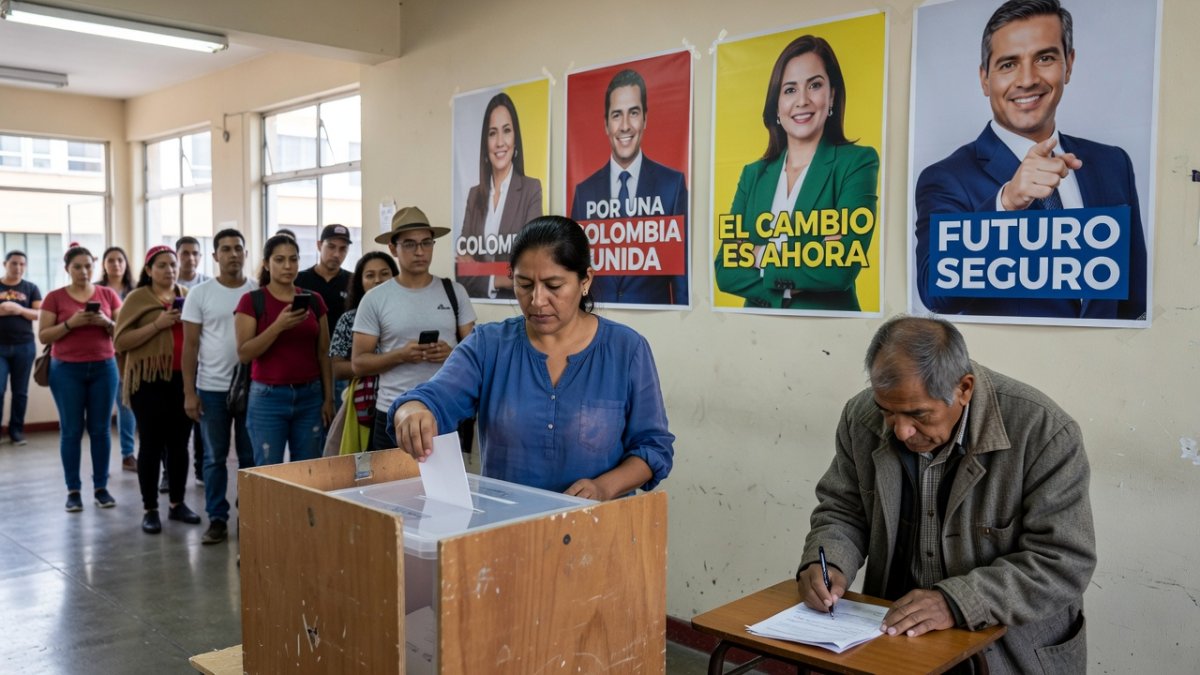
De la Espriella's Platform Echoes Bukele Tactics
Abelardo de la Espriella, a businessman and criminal lawyer nicknamed "The Tiger," founded the Defenders of the Homeland party and has never held elected office before this campaign.
He promises to construct 10 megaprisons, end peace talks with guerrilla groups, and authorize bombing campaigns against drug traffickers that include downing planes and shooting boats, drawing direct comparisons to El Salvador's Nayib Bukele and Argentina's Javier Milei.
De la Espriella, endorsed by former U.S. President Donald Trump, has stated that the only peace process he believes in is one imposed by the force of arms and the laws of the republic. His first-round performance of 43 percent stunned political observers who had expected a narrower margin.
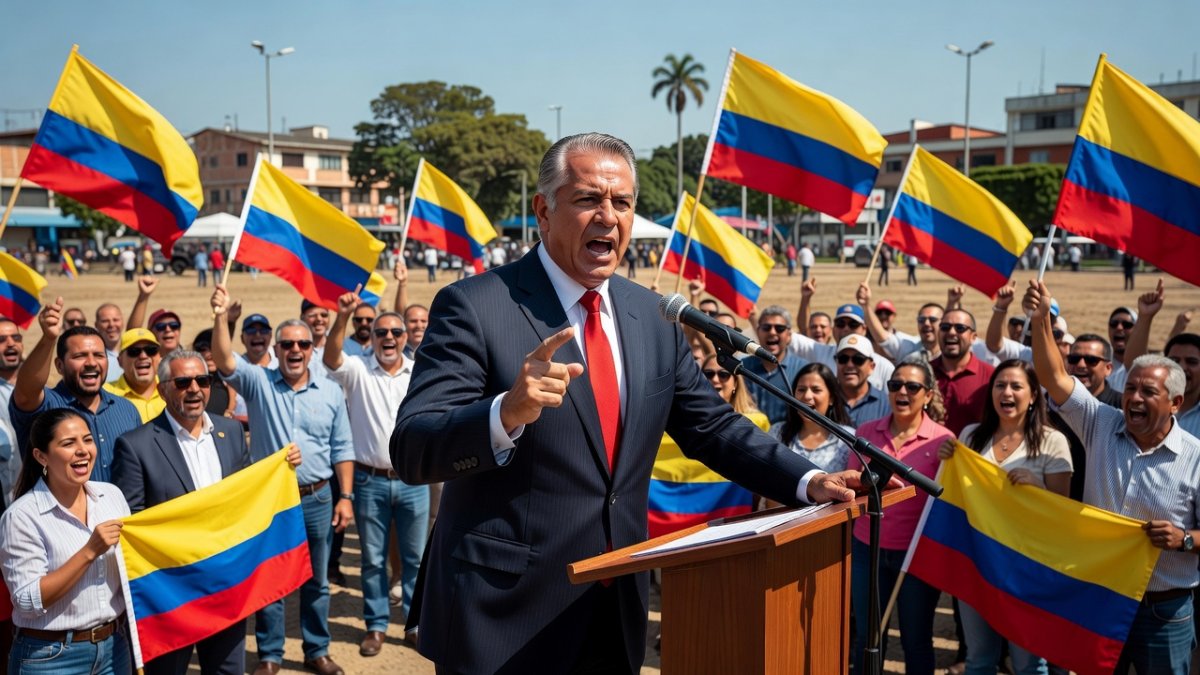
Cepeda Continues Petro's Total Peace Vision
Iván Cepeda, a left-wing senator since 2014 and human rights activist whose father Senator Manuel Cepeda Vargas was assassinated in 1994, represents the continuation of President Gustavo Petro's Total Peace agenda.
Cepeda supports ongoing negotiations with armed groups, expansion of social welfare programs, full implementation of the 2016 peace deal, and a shift away from fossil fuels while rejecting the U.S.-led war on drugs that he says "failed spectacularly."
Both candidates carry personal ties to Colombia's six-decade conflict, with de la Espriella having defended paramilitary leaders in court and Cepeda spending years fighting political violence through peace talks with the FARC and the ELN guerrilla groups. This shared yet opposing history shapes their visions for Colombia's future.
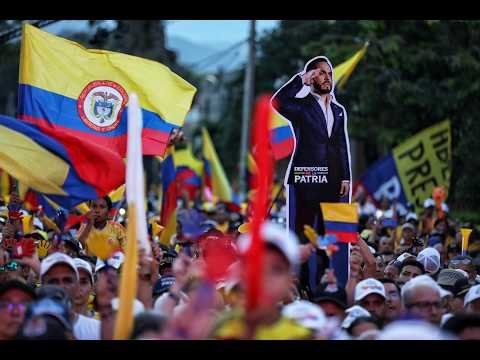
Sheinbaum Administration Monitors Regional Shift
Mexico's President Claudia Sheinbaum and the Morena party in the Congreso de la Unión are tracking the outcome because a de la Espriella victory would strengthen pro-U.S. alignments across the region while a Cepeda win would reinforce cooperation among left-leaning governments in Brazil and Mexico.
The Secretaría de Relaciones Exteriores has already noted that Colombia remains a key partner under the T-MEC trade framework, where shifts in drug policy or migration enforcement could affect cross-border flows involving maquiladora workers and campesinos in northern states.
De la Espriella's tough-on-crime stance could influence security debates inside Mexico's Guardia Nacional and SEDENA, where officials weigh similar militarized approaches against community-based strategies favored by Morena legislators in the Cámara de Diputados.
Human Impact on Mexican Families and Communities
Families in Tijuana and Ciudad Juárez who rely on remittances and cross-border trade fear that escalated aerial operations in Colombia could disrupt supply chains and increase pressure on migrant routes already strained by U.S. policy changes under the Trump administration.
Teachers and healthcare workers in Oaxaca and Mérida watch how Cepeda's social welfare focus might encourage parallel investments in Mexico's IMSS and ISSSTE systems, while de la Espriella's megaprisons model could fuel calls for expanded detention facilities near the southern border with Guatemala.
Indigenous groups and ejido communities in Guerrero and Chiapas see the Colombian vote as a test of whether peace negotiations or military force will shape future regional responses to organized crime networks that extend into Mexican territory through Central American corridors.
Trade and Security Implications Under T-MEC
Under the T-MEC agreement, any Colombian move away from fossil fuels or toward stricter anti-trafficking measures would intersect with Mexico's CFE energy policies and PEMEX operations, affecting energy exports discussed in recent bilateral meetings between Mexico City and Bogota.
The Fiscalía General de la República and the Secretaría de Seguridad y Protección Ciudadana in Mexico have coordinated with Colombian counterparts on counternarcotics for years; a de la Espriella administration could accelerate joint aerial operations while Cepeda's approach would likely prioritize judicial reforms over military interdiction.
Small business owners in Guadalajara and Monterrey who export to Colombia under current trade rules are preparing contingency plans depending on whether the new president maintains Petro-era social programs or pivots to private-sector incentives favored by the right.
Long-Term Regional Dynamics for Latin America
The runoff result will shape how the Sheinbaum administration engages with the next Colombian government on migration management through the SRE and on climate cooperation tied to the 2016 peace deal's rural development chapters. A de la Espriella win would mark the third major right-wing victory in Latin America in as many years, following Milei in Argentina and Bukele's re-election in El Salvador.
Whether de la Espriella consolidates right-wing support or Cepeda advances Petro's legacy, Mexican voters in the 2027 midterm elections will hear echoes of these security and welfare debates inside the Cámara de Diputados and Senado de la República.
Communities from Cancún to the northern border colonias understand that Colombia's choice today directly influences the stability of the broader Latin American corridor that carries families, goods, and ideas between the two nations.
What to Watch For
Polls show both candidates in a near tie as Colombians head to the ballot box. Results are expected to begin trickling in late tonight, with a clear picture likely by Monday morning. The Sheinbaum administration is expected to issue a statement once the winner is confirmed.
For Mexican readers, the key question is whether Colombia shifts toward the Bukele-Trump model of militarized security or continues the Petro-Cepeda path of negotiated peace. Either way, the outcome will reverberate through Mexican foreign policy debates for the remainder of the sexenio.
By Rosa Martinez, Staff Writer
This article was produced with AI-assisted research and editorial support. Reporting is based on sources cited in the article.
What's Your Reaction?
 Like
0
Like
0
 Dislike
0
Dislike
0
 Love
0
Love
0
 Funny
0
Funny
0
 Wow
0
Wow
0
 Sad
0
Sad
0
 Angry
0
Angry
0

Latin America/Andes Correspondent at Global1.News. Based in Bogota, covering politics, environment, energy, and social movements across the Andean region. Passionate about environmental journalism and communities protecting their land.












Comments (0)