
The Nuclear Question: Can the US-Iran Deal Prevent Tehran From Building a Bomb?
In a recent BBC News report, The Global Story examined the formidable challenge facing the United States and its allies in preventing Iran from developing nuclear weapons after the signing of the initial US-Iran ceasefire memorandum of understanding this week. The Nuclear Question: Can the US-Iran Deal Prevent Tehran From Building a Bomb? Moscow – 21 June 2026 — The signing of
In a recent BBC News report, The Global Story examined the formidable challenge facing the United States and its allies in preventing Iran from developing nuclear weapons after the signing of the initial US-Iran ceasefire memorandum of understanding this week.
The Nuclear Question: Can the US-Iran Deal Prevent Tehran From Building a Bomb?
Moscow – 21 June 2026 — The signing of the US-Iran Memorandum of Understanding at the G7 summit in France this week has reopened a question that has haunted American foreign policy for decades: can diplomacy succeed where military action has not in preventing Iran from developing nuclear weapons? The 14-point framework, signed electronically between Washington and Tehran and announced by President Donald Trump from the Palace of Versailles, lays out a path forward — but leaves the hardest questions for the 60-day negotiation period that has only just begun.
The State of Iran's Nuclear Programme
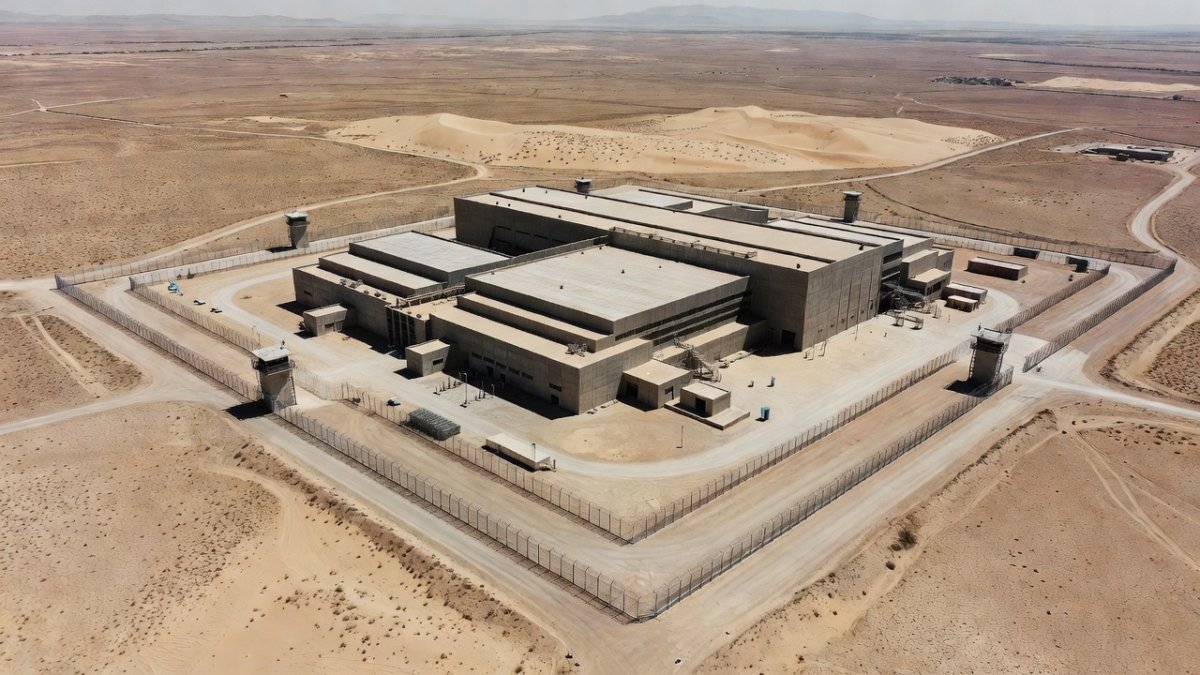
At the start of the war on 28 February, Iran possessed approximately 440kg of uranium enriched to 60% purity, according to US officials cited by the BBC. That stockpile represents a dramatic escalation from the constraints of the 2015 Joint Comprehensive Plan of Action, which had limited Iran to 300kg of uranium enriched to just 3.67% — a level suitable for civilian power generation but insufficient for weapons production. Under the JCPOA, Iran had fully complied with the terms, permitting the International Atomic Energy Agency unrestricted access to its nuclear facilities at Natanz, Fordow, Isfahan, and Arak. But after Trump withdrew the United States from the deal in 2018, calling it "decaying and rotten," Iran systematically breached those commitments.
The 440kg stockpile at 60% enrichment carries direct weapons implications. Further enrichment to 90% weapons-grade levels would yield material sufficient for several nuclear devices, according to assessments referenced in the BBC report. Iran's enrichment infrastructure has expanded significantly since 2018. The Natanz facility remains the primary site for large-scale centrifuge operations, while the underground Fordow plant provides hardened capacity less vulnerable to potential strikes. Conversion activities at Isfahan and the heavy-water infrastructure at Arak add further layers to the programme that inspectors must now address.
The IAEA currently cannot verify Iran's nuclear programme or discharge safeguards responsibilities at declared facilities. This verification gap stems from restricted access that began after the US withdrawal and intensified during the recent conflict. Iranian Foreign Ministry spokesman Esmail Baghaei has maintained that all activities remain peaceful, yet the absence of full monitoring leaves open questions about possible undeclared work. The 60% enrichment level itself marks a threshold far beyond any credible civilian requirement, placing Iran in a position where breakout time to weapons material has shortened considerably compared with the JCPOA era.
Natanz has long served as the centerpiece of Iran's declared enrichment architecture, hosting cascades of advanced centrifuges capable of processing uranium on an industrial scale. Fordow's fortified underground halls, originally designed for resilience against aerial attack, now supplement Natanz with additional enrichment lines that complicate any future verification regime. At Isfahan, conversion processes transform uranium hexafluoride gas into forms suitable for further enrichment or fuel fabrication, while Arak's heavy-water reactor infrastructure raises separate proliferation concerns tied to plutonium pathways. These interconnected sites form a dispersed network whose individual capacities and interconnections inspectors must map anew if downblending is to proceed under credible oversight.
What the MoU Actually Says — and What It Leaves Out
The 14-point MoU commits Iran to downblending its highly enriched uranium stockpile under IAEA supervision. Both parties confirmed the document was signed electronically on Wednesday at the G7 summit. The text states that the sides "agreed to discuss the issue of enrichment" and "resolve the disposition of stockpiled enriched material." It also includes Iran's reaffirmation that it will not develop nuclear weapons. A 60-day period is established for final negotiations toward a comprehensive deal.
Significant elements remain unaddressed. The MoU does not cover Iran's ballistic missile programme. On Wednesday, President Donald Trump stated that it would be "unfair" to deny Iran missiles that other regional countries possess. No provisions appear regarding funding for proxy groups such as Hezbollah. The $300 billion reconstruction fund receives mention, though US officials insist the United States is not directly paying Iran. These omissions contrast sharply with the 2015 JCPOA, which imposed specific quantitative limits on enrichment levels, centrifuge numbers, and stockpiles alongside rigorous inspection protocols.
The absence of missile constraints and proxy-related language leaves core security concerns for Israel and Gulf states unresolved. European diplomats have noted privately that these gaps will require attention if the 60-day window produces a follow-on agreement. Without such provisions, the MoU functions more as a temporary de-escalation measure than a durable non-proliferation instrument.
The Verification Challenge
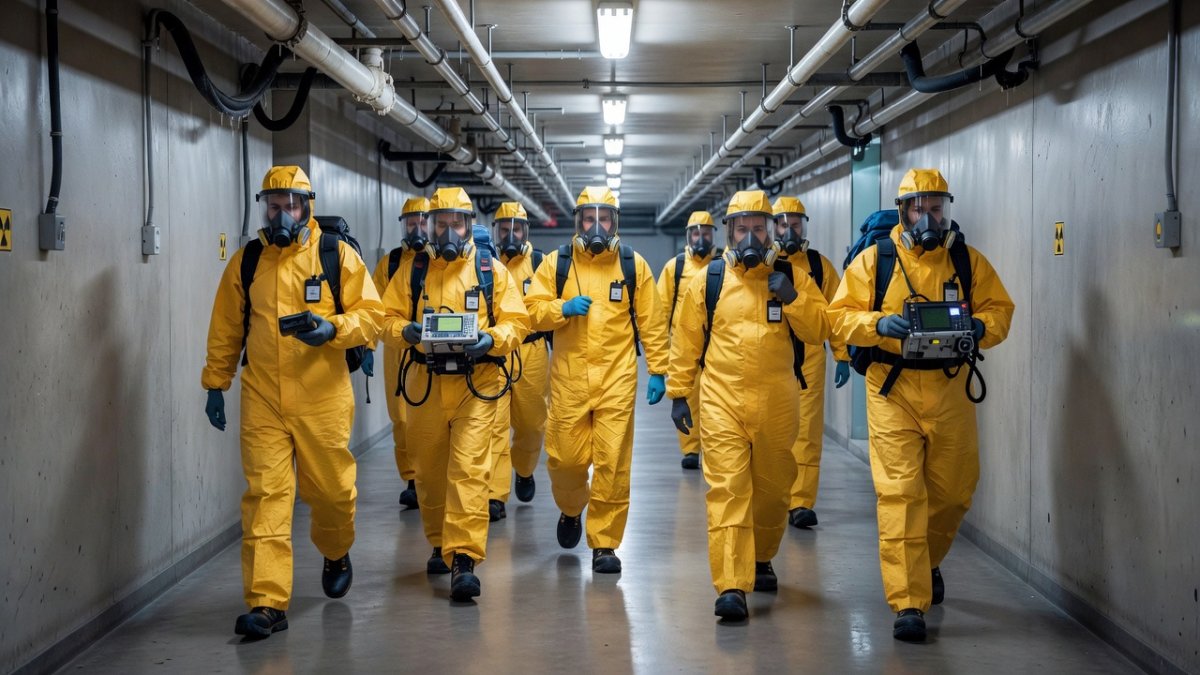
IAEA Director General Rafael Grossi welcomed the MoU and offered to assist with verification measures. His statement emphasised the agency's readiness to resume monitoring activities once access arrangements are finalised. Yet the current inability of inspectors to discharge safeguards responsibilities creates immediate practical difficulties. Facilities at Natanz, Fordow, Isfahan, and Arak require renewed baseline inspections before any downblending process can begin under credible oversight.
Verification under the original JCPOA relied on continuous monitoring, real-time camera feeds, and regular physical access. Those mechanisms lapsed after 2018. Re-establishing them now faces added complexity because Iran's enrichment capacity has grown and some equipment may have been relocated during the conflict. Grossi's team must also contend with the history of previously undeclared sites discovered in 2002, which demonstrated Iran's past willingness to conceal aspects of its programme.
Technical talks between IAEA experts and Iranian officials are expected to begin in the coming days. Success will depend on whether Tehran grants the same breadth of access that existed between 2015 and 2018. Without such access, downblending commitments cannot be verified to the standard required by the international community.
Domestic and International Reactions
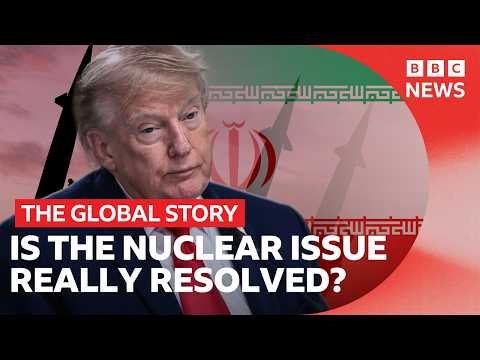
Republican Senator Bill Cassidy of Louisiana described the MoU as "the worst foreign policy blunder in decades." His criticism reflects broader unease within parts of the Republican Party that the framework lacks enforceable limits on missiles and proxies. President Donald Trump, however, has framed the agreement as a major US victory achieved without renewed military engagement, consistent with Vice-President JD Vance's earlier campaign emphasis on avoiding forever wars.
The $300 billion reconstruction fund has drawn particular scrutiny. While White House officials stress that no US funds are involved, the MoU language remains vague on financing sources. European allies have expressed cautious support for renewed diplomacy but insist any final deal must restore robust verification. Russia and China, as permanent UN Security Council members, have monitored developments closely given their own interests in Iranian energy exports and regional influence.
Israel has continued strikes on Lebanon targeting Hezbollah, which Iran has backed. These operations underscore that the ceasefire between Washington and Tehran has not halted all regional hostilities. Iranian accusations that the US and Israel violated the ceasefire further complicate the diplomatic atmosphere surrounding the 60-day talks.
Analysis — A 60-Day Race Against the Clock
The 60-day timeline stands in stark contrast to the 20 months required to negotiate the 2015 JCPOA. This compressed schedule places extraordinary pressure on technical experts and political leaders to resolve issues that previously demanded sustained bargaining. If no comprehensive agreement emerges, the risk of renewed escalation rises sharply, particularly around the Strait of Hormuz where Iran has already accused the US and Israel of violations.
From Moscow's perspective, the outcome will influence Russia's strategic position in the Middle East. A stable US-Iran framework could reduce pressure on energy markets and limit opportunities for deeper Russian-Iranian military cooperation. Conversely, collapse of the talks might reinforce Tehran's turn toward Moscow and Beijing for economic and security support. Kremlin officials have avoided public commentary but are tracking enrichment discussions and any potential sanctions relief that could affect global oil flows.
Iran's decision to accept the MoU likely reflects calculations about the costs of prolonged conflict and the value of potential reconstruction assistance. Yet Tehran's leadership will weigh any final deal against its desire to retain leverage through missiles and regional proxies. The coming weeks will test whether the initial electronic agreement can evolve into a verifiable arrangement that addresses the core proliferation risks identified by the IAEA.
Russia's strategic calculus extends beyond immediate regional influence to the longer-term architecture of global energy markets. A durable agreement that restores Iranian oil exports could ease upward pressure on crude prices that has benefited Russian revenues since 2022, yet it might simultaneously dilute Moscow's leverage as an alternative supplier to energy-hungry Asian economies. Chinese perspectives similarly hinge on whether sanctions relief unlocks expanded Iranian crude deliveries that complement Beijing's diversified import strategy. Diplomatic history shows that previous rounds of talks succeeded only when verification mechanisms were paired with clear economic incentives; the current MoU's structural emphasis on stockpile disposition rather than permanent caps suggests negotiators are prioritising near-term de-escalation over the comprehensive limits of the JCPOA model.
What Comes Next
The 60-day clock is ticking. Technical talks with the IAEA are expected to begin in the coming days. The US has said its economic measures on Iran will remain until a final deal is reached. Progress on downblending the 440kg stockpile under credible verification will serve as the immediate test of whether the MoU can deliver tangible non-proliferation results.
For Moscow, the outcome of these negotiations will reshape the geopolitical landscape of the Middle East and affect Russia's strategic partnerships with both Iran and the broader region. The Strait of Hormuz remains the wildcard — a single incident could unravel the entire framework. Observers will watch closely for signs that the 60-day period produces concrete steps on verification and stockpile disposition rather than further delay.
Technical talks are likely to unfold in phased stages, beginning with baseline inspections at Natanz and Fordow to re-establish material accountancy before any downblending operations commence. Subsequent rounds could address centrifuge configuration and access protocols at Isfahan and Arak, with potential outcomes ranging from a narrow stockpile-reduction accord that defers enrichment limits to a more ambitious framework restoring elements of the original JCPOA verification architecture. Should the 60-day window yield only partial progress, the parties may extend technical discussions or revert to bilateral channels, while failure risks renewed market volatility in energy corridors and a sharper alignment between Tehran, Moscow, and Beijing on sanctions-evasion mechanisms.
By Irina Volkov, Staff Writer
This article was produced with AI-assisted research and editorial support. Reporting is based on sources cited in the article.
What's Your Reaction?
 Like
0
Like
0
 Dislike
0
Dislike
0
 Love
0
Love
0
 Funny
0
Funny
0
 Wow
0
Wow
0
 Sad
0
Sad
0
 Angry
0
Angry
0
Russia/Eastern Europe Correspondent at Global1.News. Covering Russian politics, energy, security, and the shifting dynamics of the post-Soviet space. Provides clear-eyed analysis on one of the world's most opaque regions.










Comments (0)