
Chloe Bailey Stars in Psychological Thriller 'Strung' — A New Chapter for African Diaspora Cinema
Chloe Bailey takes on her most gripping role yet in "Strung," a psychological thriller that blends music, suspense, and family secrets. Directed by Malcolm D. Lee and co-produced by Blumhouse Productions and Tyler Perry, the film follows a gifted violinist who discovers that the wealthy family she works for harbours dark and dangerous secrets. "Strung" premieres on Peacock on J
Chloe Bailey takes on her most gripping role yet in "Strung," a psychological thriller that blends music, suspense, and family secrets. Directed by Malcolm D. Lee and co-produced by Blumhouse Productions and Tyler Perry, the film follows a gifted violinist who discovers that the wealthy family she works for harbours dark and dangerous secrets. "Strung" premieres on Peacock on June 26, bringing African diaspora talent to the forefront of the psychological thriller genre.
Chloe Bailey Stars in Psychological Thriller 'Strung' — A New Chapter for African Diaspora Cinema
Dakar, Senegal – June 17, 2026 — Chloe Bailey stars in Strung directed by Malcolm D. Lee, marking a powerful expansion of African diaspora voices into mainstream psychological thrillers co-produced by Blumhouse Productions and Tyler Perry.
A Star at the Crossroads: Chloe Bailey's Bold New Direction
Chloe Bailey has moved from the Chloe x Halle duo that shaped her early career into a commanding solo artist and now a lead actress in Strung. She prepared intensively by learning violin for the role of Laila, spending months with instructors to master the instrument's demanding techniques. Her upcoming Timbaland mixtape drops on June 19, adding fresh momentum to her dual music and film path. Placing a Black woman at the center of a Blumhouse psychological thriller signals a notable shift in genre casting. This role strengthens African diaspora representation by showing how stories rooted in Black excellence can drive suspenseful cinema.
Bailey's transition reflects years of building versatility across performance styles. Mastering the violin allowed her to embody Laila's musical gift with authentic precision during key scenes. The June 19 Timbaland mixtape release keeps her music fans engaged while the film builds anticipation. Her presence as the lead challenges traditional thriller formulas that rarely center Black women. Audiences across Senegal and the wider continent recognize this as progress in how diaspora talent claims space in high-stakes narratives.
From harmonies with her sister to solo stages, Bailey has steadily claimed new artistic ground. Violin lessons became part of her daily routine to deliver believable performances as the gifted musician. The Timbaland collaboration arrives just days before the film's Peacock debut, linking her two creative worlds. Blumhouse's decision to cast her underscores growing openness to diverse leads in horror-tinged projects. Her journey inspires young Senegalese artists watching global platforms open to voices like hers.
Bailey balances recording sessions with script study, showing discipline that carries from music into acting. She practiced scales and complex pieces to match the film's music-as-metaphor structure. Fans await the June 19 mixtape as another layer of her evolving artistry. Leading a production backed by Tyler Perry and Blumhouse places her in rare company for Black actresses. This visibility helps shift perceptions of what African diaspora performers can achieve in genre films.
Her move into Strung builds on earlier acting cameos while demanding far more emotional range. Dedicated violin training ensured she could perform convincingly without relying on body doubles for close-ups. The timing of her Timbaland project creates cross-promotional energy around mid-June. A Black woman anchoring Blumhouse suspense elevates the conversation about inclusive storytelling. Senegalese viewers see echoes of their own cultural emphasis on artistic mastery in her character's dedication.
The Story: Music, Mystery, and Family Secrets
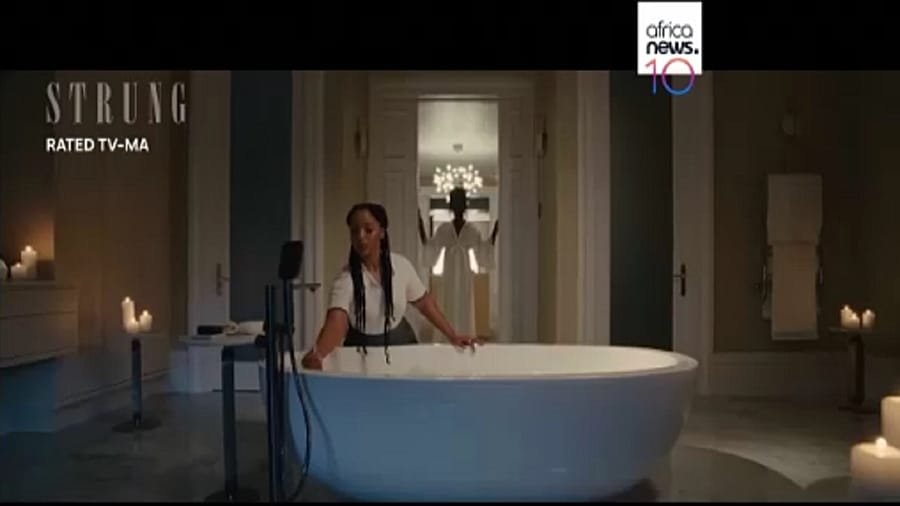
Laila accepts a tutoring position teaching violin to the daughter of a wealthy family, stepping into their opulent mansion with hopes of steady work. A one-night stand with Marcus, played by Lucien Laviscount, quickly entangles her in the household's hidden tensions. Dark family secrets surface through unsettling encounters that turn her job into a fight for survival. Bailey reflected on the plot twists by saying, "even watching it back... I was sitting there like, 'What?!'" The production treats music as a central metaphor for buried emotions and control. Strung is described as a music thriller with horror elements that keeps tension high through sound and silence.
The mansion setting amplifies Laila's isolation as she uncovers layers of deception among the family members. Her connection with Marcus begins casually but reveals deeper stakes tied to the household's past. Each secret unravels during intense scenes where her violin playing mirrors rising dread. Bailey's reaction quote captures how the screenplay constantly subverts expectations. Musical motifs underscore emotional undercurrents without overpowering the suspense. This blend of genres creates a distinctive rhythm that feels both familiar and fresh to African audiences accustomed to storytelling rich in rhythm.
Laila's arrival at the estate marks the start of her gradual entanglement in the family's guarded world. The encounter with Marcus shifts from attraction to complication as hidden motives emerge. Family secrets involve long-concealed betrayals that threaten everyone connected to the house. Bailey noted her own surprise at the reveals during editing sessions. Violin performances serve as emotional anchors throughout the narrative. The music thriller with horror elements approach distinguishes Strung from standard suspense fare.
Daily lessons with the young daughter expose Laila to the family's rigid routines and unspoken rules. Marcus's presence complicates her position, drawing her closer to dangerous truths. Revelations about inheritance and past crimes drive the second half of the film. The actress's quote highlights how effectively the twists land even for those who filmed them. Sound design uses violin strains to signal shifts in power and fear. Viewers in Dakar will appreciate how the story honors music's role in processing trauma and memory.
Accepting the tutoring role pulls Laila into an environment where appearances mask real peril. Her night with Marcus becomes a turning point that exposes the family's calculated facades. Secrets tied to the estate's history force Laila to question every interaction. Bailey's behind-the-scenes comment shows the material's ability to surprise its own cast. The metaphorical weight of music deepens the horror elements without losing focus on character. This genre mix opens doors for more culturally grounded thrillers from diaspora creators.
Malcolm D. Lee: From Comedy to Thriller
Malcolm D. Lee built his reputation directing comedies such as Space Jam, The Best Man, and Girls Trip before tackling his first thriller with Strung. The shift required new visual strategies, especially in designing the African mask central to the plot. Lee spent weeks refining the mask by combining elements from masks throughout Africa, including Senegalese and broader West African traditions. Hiding the actor's lip movement behind the mask presented a technical challenge that demanded precise blocking and editing. His work demonstrates how Black directors are expanding genre boundaries while honoring cultural symbols.
Lee's comedy background gave him skill in character-driven pacing that translates effectively into suspense. Creating the mask involved collaboration with designers who researched regional variations across the continent. The weeks-long process ensured the artifact felt authentic rather than generic. Technical adjustments around the mask allowed dialogue scenes to remain natural despite the covering. This project marks an important step for Black filmmakers claiming thriller territory long dominated by others.
After years of box-office success with humorous ensemble films, Lee embraced the darker tone of Strung. The mask design drew inspiration from multiple African cultural sources to avoid narrow representation. Extended design time produced a piece that functions as both prop and symbol. Overcoming the lip-movement issue required innovative camera work and post-production. Lee's example encourages emerging African directors to experiment across genres.
Space Jam and Girls Trip showcased Lee's ability to balance large casts and tonal shifts. For the mask, he consulted cultural experts to blend motifs respectfully from various traditions. The lengthy design phase paid off in a visually striking centerpiece. Solving the technical constraints around masked performance added realism to tense sequences. Such boundary-pushing work resonates with Senegalese cinephiles who value directors bridging entertainment and cultural depth.
Lee's move into thrillers builds on his established trust with audiences from earlier hits. Research into masks throughout Africa informed every curve and texture of the prop. Multiple weeks of iteration refined the design until it met both narrative and aesthetic needs. Precise framing techniques addressed the challenge of obscured facial expressions. His leadership signals expanding opportunities for Black creatives in high-concept cinema.
A Stellar Cast Bridges Continents
Anna Diop, the Ivorian-American actress, brings personal connection to West African roots while playing a key family member in Strung. Lynn Whitfield delivers award-winning gravitas as the formidable matriarch whose presence anchors the household's secrets. Lucien Laviscount said he would gladly do another thriller, noting, "I had so much fun on this set." Coco Jones and Bailey developed a genuine on-set friendship that enriched their shared scenes. Romy Woods portrays the masked Zuri, adding mystery to the family's hidden dynamics. This generational span of Black talent offers African audiences meaningful diaspora representation on screen.
Diop's heritage informs subtle cultural nuances she brings to her performance. Whitfield's experience elevates every confrontation with quiet authority. Laviscount's positive reflection highlights the collaborative atmosphere during thriller sequences. Jones and Bailey's off-camera bond translated into natural chemistry that audiences notice immediately. Woods's masked role creates visual intrigue that complements the music-driven tension. Together they form a cast that reflects the breadth of African diaspora excellence.
Anna Diop's Ivorian-American background adds authentic layers to her character's worldview. Whitfield commands attention through measured delivery honed over decades. Laviscount enjoyed the fast-paced thriller environment enough to express interest in future projects. The friendship between Coco Jones and Bailey fostered supportive energy on long shooting days. Romy Woods's portrayal of Zuri keeps viewers guessing about loyalties. Such casting choices resonate strongly with viewers in Senegal seeking stories that honor continental connections.
Diop draws from her dual identity to portray a woman navigating privilege and legacy. Whitfield's gravitas makes the family's power structures believable and chilling. Laviscount's quote captures the enjoyment that sustained the cast through intense material. Jones and Bailey shared music recommendations between takes, strengthening their rapport. Woods's masked performance adds physicality to the film's horror elements. The ensemble demonstrates how diaspora stories gain power through collective talent.
Anna Diop's presence underscores growing Ivorian-American visibility in Hollywood productions. Whitfield brings seasoned depth that grounds the supernatural-tinged suspense. Laviscount praised the set's creative freedom in his post-premiere comments. The warm friendship between Coco Jones and Bailey extended beyond filming into mutual support. Romy Woods embodies the enigmatic Zuri with physical commitment. African cinema lovers appreciate seeing this range of Black performers united in one project.
Blumhouse's African Aesthetic: The Zuri Mask
The Zuri mask combines elements from various African cultures, creating a striking artifact that drives key plot revelations. Blumhouse built its reputation on socially conscious horror with films like Get Out and Us before embracing this African-centered design. Production designers incorporated African aesthetics into mainstream Hollywood sets, moving beyond surface-level references. The mask operates as both narrative symbol of concealed identity and a tangible cultural artifact. Growing influence of African visual culture appears throughout the film's American production design choices.
Designers researched regional mask traditions to craft an original piece that respects multiple heritages. Blumhouse's track record with Get Out and Us prepared them to handle layered social themes within suspense. African patterns and textures appear in set dressing, costumes, and props beyond the central mask. Symbolically, the mask represents how family secrets distort truth across generations. This integration signals broader acceptance of African visual language in big-budget thrillers.
The mask's hybrid design avoids reducing any single tradition while serving the story's needs. Get Out and Us established Blumhouse's willingness to explore race and power through horror. African aesthetics influence lighting, color palettes, and architectural details in the mansion. As a cultural artifact, the mask carries weight that elevates the thriller beyond jump scares. Hollywood's increasing use of such elements reflects shifting industry priorities.
Combining masks throughout Africa required careful consultation to honor origins. Blumhouse applied lessons from prior socially conscious projects to Strung's production. Detailed African-inspired motifs appear in furniture carvings and wall hangings. The mask's dual role as symbol and object deepens audience engagement with cultural context. This trend benefits African artists whose visual traditions now reach wider screens.
The mask's creation process highlighted respect for continental diversity within one object. Building on Get Out and Us, Blumhouse welcomed African aesthetics as core to the film's identity. Set pieces echo traditional forms reinterpreted for contemporary suspense. Narrative weight placed on the mask underscores its importance as cultural touchstone. Continued influence promises more authentic integration in future diaspora-led productions.
Early Reception and What Critics Are Saying
Strung opened the 30th American Black Film Festival in Miami Beach to enthusiastic crowds. Early reactions praised it as "a WILD ride that thrills and entertains," capturing the audience's excitement. The hashtag #AfThisIsCulture trended on africanews as viewers celebrated the film's cultural resonance. Social media buzz amplified clips from the premiere, building anticipation ahead of wider release. The June 26 Peacock debut is positioned as a cultural milestone for Black-led genre cinema.
ABFF programmers chose Strung for opening night because of its innovative blend of music and suspense. Festivalgoers highlighted the fresh energy Bailey brings to the thriller format. The #AfThisIsCulture tag connected conversations across the continent and diaspora. Online discussions focused on the mask's design and the cast's chemistry. Peacock's platform ensures the film reaches global viewers on June 26.
The Miami Beach premiere set a celebratory tone with red-carpet appearances by the full ensemble. Audience members described the pacing as relentless yet emotionally grounded. African media outlets amplified the #AfThisIsCulture conversation around representation. Early social posts generated shares that extended the film's visibility. This reception positions Strung as a benchmark for future Black genre projects.
ABFF's 30th edition gained attention by spotlighting a thriller with strong African diaspora ties. The "WILD ride" description spread quickly among attendees and online followers. The africanews hashtag fostered pride in the film's cultural specificity. Buzz around the cast's performances added personal investment for fans. June 26 marks the moment when broader audiences can experience this milestone.
Opening night energy at the American Black Film Festival confirmed strong word-of-mouth potential. Critics and viewers alike noted the effective fusion of music and horror elements. #AfThisIsCulture captured the continental pride the film inspires. Social platforms carried reactions from Miami straight to Dakar. The Peacock release solidifies Strung's place in evolving Black cinema history.
What to Watch For
The June 26 Peacock release will reach global audiences including viewers across Africa through NBCUniversal's streaming platform. Future projects from the cast and crew are already generating early interest following the ABFF premiere. A growing trend of African diaspora stories in genre cinema suggests more thrillers will follow this model. Streaming platforms continue making diverse content accessible far beyond traditional theater markets. Bailey's dual momentum in music and film positions her for sustained influence in both industries.
Peacock's international availability means Senegalese households can watch alongside American audiences on opening day. Cast members have hinted at possible expansions of the Strung universe in interviews. Diaspora-led genre films are gaining greenlights as streamers seek fresh narratives. Accessibility through subscription services lowers barriers for African viewers. Bailey's June 19 mixtape and film debut create a powerful one-two punch for her career.
June 26 marks the date when the film becomes available to millions worldwide on Peacock. Directors and producers involved are fielding calls for similar culturally rooted thrillers. The success of African aesthetics in Strung may encourage further experimentation. Streaming continues to democratize access to stories once limited by distribution. Bailey's trajectory offers a template for artists balancing multiple creative lanes.
Global Peacock subscribers, including those in West Africa, gain day-one access to the premiere. Upcoming announcements from Malcolm D. Lee and the ensemble will likely build on this momentum. Genre cinema increasingly incorporates diaspora perspectives thanks to projects like this. Platform strategies favor inclusive lineups that attract varied subscribers. Bailey's combined music and acting output keeps her at the center of cultural conversations.
The Peacock launch on June 26 extends the film's reach into living rooms from Dakar to diaspora communities everywhere. Industry observers watch for follow-up opportunities for the talented team. African visual and narrative traditions are shaping more mainstream thrillers. Streaming growth supports continued visibility for such milestone projects. Bailey stands ready to capitalize on both her Timbaland mixtape and this cinematic breakthrough.
By Amara Diop, Staff Writer
This article was produced with AI-assisted research and editorial support. Reporting is based on sources cited in the article.
What's Your Reaction?
 Like
0
Like
0
 Dislike
0
Dislike
0
 Love
0
Love
0
 Funny
0
Funny
0
 Wow
0
Wow
0
 Sad
0
Sad
0
 Angry
0
Angry
0
West Africa/Sahel Correspondent at Global1.News. Dakar-based journalist covering politics, security, climate, and development across Francophone and Anglophone West Africa. Tells the stories of a region undergoing profound transformation.










Comments (0)