
Chinese Delivery App Riders Defend Their Livelihoods in Bangkok
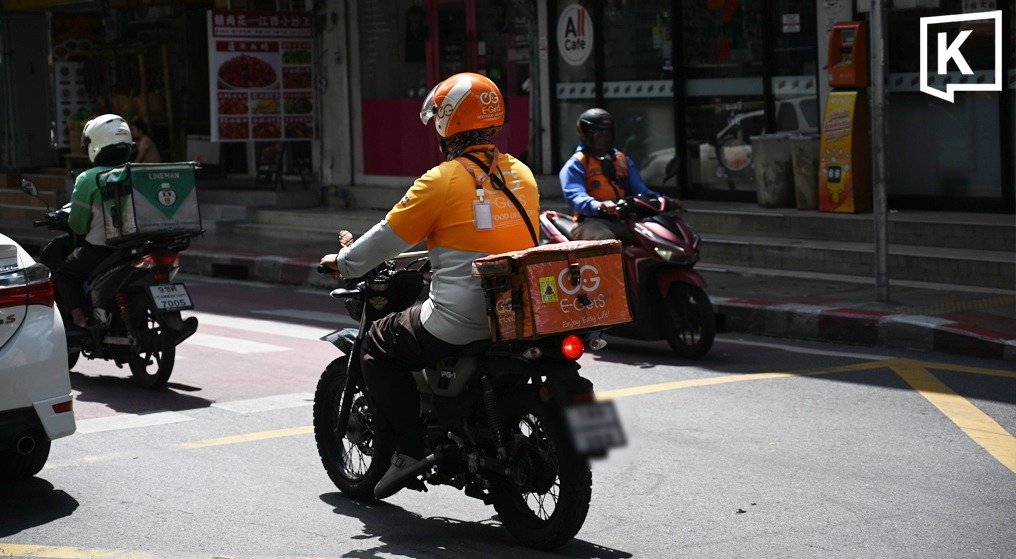
Introduction to the Controversy Surrounding Chinese Delivery Apps In the vibrant streets of Bangkok, where the hum of motorcycles blends with the aroma of street food, a recent online discussion has brought attention to Chinese food delivery apps operating in the city. The controversy emerged when a Facebook user shared a photo of a rider from one such app in the Line Man Rider
Introduction to the Controversy Surrounding Chinese Delivery Apps
In the vibrant streets of Bangkok, where the hum of motorcycles blends with the aroma of street food, a recent online discussion has brought attention to Chinese food delivery apps operating in the city. The controversy emerged when a Facebook user shared a photo of a rider from one such app in the Line Man Rider Thailand group. The post questioned the app's identity and noted the absence of a visible licence plate on the motorcycle, sparking curiosity and debate among many.
This incident highlights the growing presence of international platforms in Thailand's bustling gig economy. Riders working for these Chinese apps have stepped forward to share their experiences, emphasizing that their work is legitimate and provides essential income. As Bangkok continues to embrace diverse services, questions about registration, legality, and market competition naturally arise, reflecting the dynamic changes in urban life.
Residents and workers alike value the opportunities these apps create, allowing many to support their families through honest efforts. The discussion reminds us of the importance of understanding different perspectives in a multicultural city like Bangkok, where tradition meets modern convenience in everyday routines.
Overall, this situation invites gentle reflection on how new technologies integrate into Thai society, fostering both opportunities and conversations about fairness and community.
The Online Debate and Public Reaction
The Facebook post quickly gained traction within the Line Man Rider Thailand group, drawing widespread comments and questions from riders and observers. People wondered about the unfamiliar app and expressed concerns over registration processes and how these platforms compete with established local services. The conversation touched on themes of legality, with some questioning whether the motorcycles met standard requirements.
In Thai online communities, such discussions often reflect a deep care for fairness and cultural harmony. Riders and netizens shared thoughts on how these apps might affect the local market, yet many emphasized the need for accurate information before forming judgments. The debate remained lively but respectful, showcasing the thoughtful nature of Bangkok's digital spaces.
Public reaction revealed a mix of curiosity and support for workers seeking stable livelihoods. As the post circulated, it encouraged riders from Chinese apps to clarify their situations, promoting a sense of openness. This online exchange ultimately served as a reminder of the interconnected lives in a city where technology bridges gaps between people from various backgrounds.
Through these interactions, Bangkok's residents demonstrate their gentle approach to resolving uncertainties, valuing dialogue over division in matters that touch daily work and community well-being.
Reporters Visit Pracha Rat Bamphen Road
On June 23, journalists made their way to Pracha Rat Bamphen Road in Bangkok's Huai Khwang district to observe the situation firsthand. There, they encountered several riders associated with the Chinese app Gookoo, whose motorcycles displayed proper licence plates as required by regulations. The scene also featured numerous riders from E-gets and a few from Feixiang, known locally as Flying Elephant.
The area bustled with activity, as delivery workers navigated the familiar roads, contributing to the neighborhood's lively atmosphere. Reporters noted the organized presence of these riders, many of whom appeared focused on completing their tasks efficiently. This direct observation helped provide clarity amid the online discussions, showing that operations appeared compliant with visible standards.
In the warm Thai climate, such streets serve as vital arteries for commerce and connection. The reporters' findings offered a balanced view, highlighting how these apps function within the existing framework. It brought a sense of reassurance to those following the story, illustrating the everyday realities of gig work in Bangkok's evolving landscape.
This visit underscored the value of on-the-ground reporting in fostering understanding, allowing the public to appreciate the human elements behind the headlines.
Beer's Story with Gookoo
Among the riders on Pracha Rat Bamphen Road was Beer, a dedicated Gookoo worker who has been with the app for three years. After losing his previous job, Beer discovered the platform through online searches and encouragement from friends already involved. He described the company as properly tax-registered and fully legal, noting that it maintains documents to address any questions about its operations.
Beer typically completes around 20 deliveries each day, earning more than 1,000 baht depending on his effort. This income has helped him clear debts and build stability, bringing a quiet sense of pride to his daily routine. He views his work as an honest way to make a living, one that supports his family amid Bangkok's fast-paced environment.
When addressing online criticisms, Beer expressed a calm acceptance, stating that since the work is legal, he focuses on his responsibilities rather than engaging in arguments. His story reflects the resilience found in many Thai workers who adapt to new opportunities with grace and determination.
Through Beer's experience, one sees how these apps offer pathways to financial recovery, enriching the lives of those who embrace them with sincerity and hard work in the heart of the city.
Kero and Do's E-gets Experience
Two E-gets riders, Kero and Do, shared insights into their roles after learning about the app from senior colleagues who praised its reliable income and monthly salary structure. They found the compensation more favorable compared to other delivery platforms, appreciating the steady support it provides in their daily lives.
Jobs are coordinated through administrators who assist with translating messages, enabling smooth communication with customers. This system adds a layer of care, ensuring riders can navigate interactions effectively. The riders also highlighted welfare benefits and social security provisions, which treat them similarly to regular employees and offer valuable security.
Critics may not fully grasp these aspects, yet Kero and Do remain positive about the platform's role in their routines. Working in Bangkok's vibrant districts, they contribute to the flow of services that keep neighborhoods connected and nourished.
Their accounts reveal a supportive environment within E-gets, where practical help and financial rewards come together to sustain riders through the demands of gig work, fostering a sense of belonging in the process.
Kai and the Customer Perspective from Tan
Kai, another E-gets rider, chose the app for its strong pay per delivery, often allowing him to earn over 1,000 baht daily. Most of his orders involve Chinese and Thai food deliveries around Pracha Rat Bamphen and Pracha Songkhro, sustaining him for about a year in this fulfilling role. The work aligns well with the rhythms of Bangkok life, providing both income and purpose.
From the customer's side, Tan, a 47-year-old regular user, appreciates the low delivery fees and frequent promotions. She noted that a 50-baht cup of coffee might sometimes cost just 30 baht, with delivery around 15 baht, making services accessible and enjoyable. Tan has observed three Chinese apps in the area, with E-gets having the most riders, offering greater choices overall.
Regarding concerns about jobs for Thai workers, Tan observed that most riders appear Thai, adding that she has not encountered Chinese individuals in these roles. Her perspective emphasizes how additional apps expand options without displacing locals, enriching the community's access to convenient services.
Together, Kai and Tan's experiences illustrate the mutual benefits in this ecosystem, where riders find steady work and customers enjoy thoughtful, affordable conveniences in their daily routines.
Analysis of What This Means for Bangkok's Gig Economy
The presence of Chinese delivery apps like Gookoo, E-gets, and Feixiang in Bangkok signals an expanding gig economy that blends local traditions with international influences. Riders' accounts demonstrate how these platforms provide legal, tax-compliant opportunities that support honest livelihoods, helping many navigate financial challenges with dignity and resilience.
Competition in the market appears to benefit consumers through lower fees and promotions, while also creating structured employment features such as salaries, welfare, and social security. This evolution reflects Bangkok's welcoming spirit, where diverse services enhance daily life without overshadowing Thai workers, as most riders remain local.
Such developments encourage thoughtful dialogue about registration and fairness, yet they also highlight the adaptability of Bangkok's workforce. By offering more choices, these apps contribute to a vibrant urban fabric, where cultural exchange and economic flexibility coexist harmoniously.
Ultimately, this situation points to a future where gig work continues to evolve gently, empowering individuals and communities alike in Thailand's dynamic capital, fostering growth rooted in mutual respect and practical support.
By Ann Srisawat, Staff WriterThis article was produced with AI-assisted research and editorial support. Reporting is based on sources cited in the article.
What's Your Reaction?
 Like
0
Like
0
 Dislike
0
Dislike
0
 Love
0
Love
0
 Funny
0
Funny
0
 Wow
0
Wow
0
 Sad
0
Sad
0
 Angry
0
Angry
0

Southeast Asia Correspondent at Global1.News. Based in Bangkok, covering Thai and Southeast Asian politics, economy, technology, and culture. Deep regional perspective on one of the world's most dynamic regions.














Comments (0)