
China Sanctions Philippine Defense Sec. Teodoro
In the heart of our archipelago, where the sea has always been both provider and protector, news of sanctions from Beijing lands not just in official statements but in the quiet worries of families gathered around dinner tables. Defense Secretary Gilberto Teodoro Jr. finds himself and his loved ones targeted by measures from the Communist Party of China, yet his voice remains s
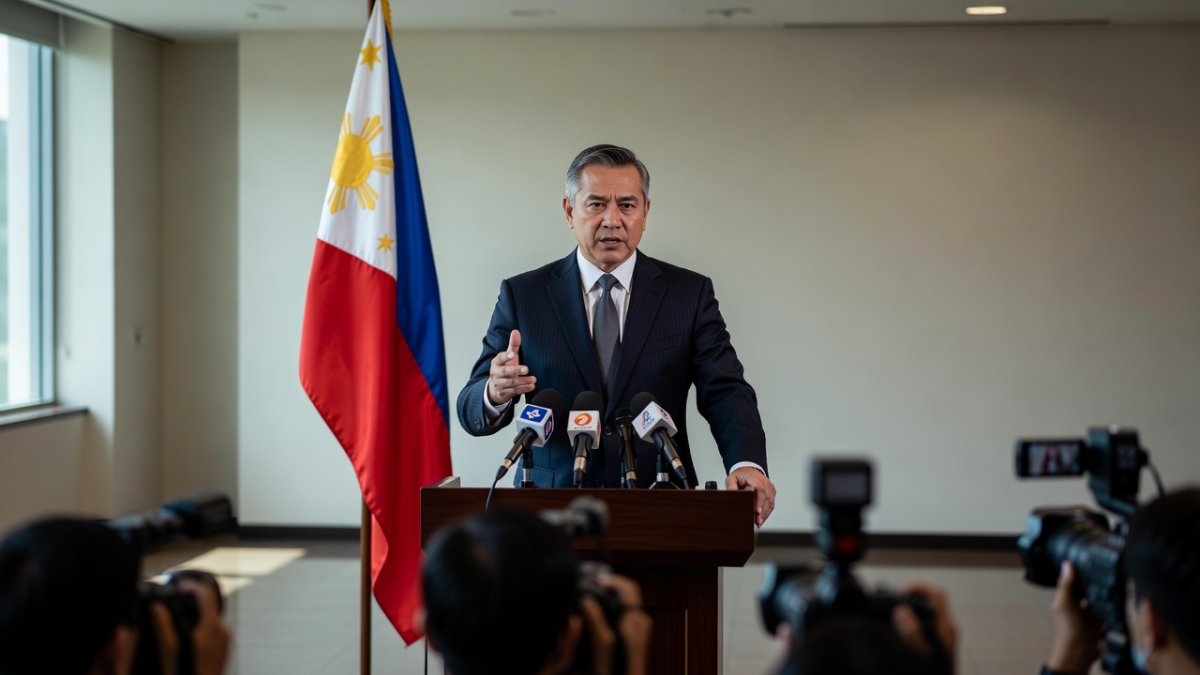
In the heart of our archipelago, where the sea has always been both provider and protector, news of sanctions from Beijing lands not just in official statements but in the quiet worries of families gathered around dinner tables. Defense Secretary Gilberto Teodoro Jr. finds himself and his loved ones targeted by measures from the Communist Party of China, yet his voice remains steady as he explains the reason: simply speaking the truth about our waters and the activities that threaten them.
This development arrives at a time when many Filipinos already feel the weight of maritime tensions in their daily routines. From the bustling ports to the smallest barangays along the coast, people are asking how such actions affect the security we all rely on.
The Announcement and Its Official Response
On Saturday, Defense Secretary Gilberto Teodoro Jr. addressed the sanctions imposed on him, his spouse, and their child. Beijing barred them from entering mainland China, Hong Kong, and Macau while prohibiting any transactions or cooperation by Chinese individuals and organizations with the family. The move stems from what China described as remarks that undermined its interests, though Teodoro maintains these were disclosures about the West Philippine Sea and alleged illegal activities.
The Department of Foreign Affairs quickly labeled the sanctions an unfriendly act that complicates relations between Manila and Beijing. Officials noted that such steps do not help build mutual trust or create conditions for constructive engagement. This marks the first time China has imposed sanctions on a sitting Philippine Cabinet secretary since diplomatic ties began in 1975.
Teodoro's Clear Explanation of His Position
In his statement, Teodoro shared that the sanctions came because of what Beijing called erroneous statements. He clarified that he only presented facts about the West Philippine Sea and illegal activities linked to foreign interests inside the Philippines. He stressed that his role continues without pause, supporting broader government efforts against wrongdoing.
Teodoro pointed to specific cases, including the Bamban scam hub tied to dismissed mayor Alice Guo and the closure of the Sanjia steel facility. He described the facility as producing substandard and dirty steel products connected to individuals with questionable identities. Ownership traces to Tony Yang, whom he identified as the brother of businessman Michael Yang, noting Tony Yang's admission during a Senate hearing about fake citizenship. Throughout, Teodoro emphasized this is not about targeting Chinese nationals but about stopping actions that weaken the nation.
Effects on Coastal Communities and Ordinary Families
Maritime disputes do not stay confined to headlines. They ripple into the lives of fishermen who head out before dawn, hoping for catches that feed their children and stock sari-sari stores in nearby towns. When tensions rise, these workers face restricted areas and higher risks, directly touching household incomes across provinces like Palawan and Zambales.
Families of soldiers and coast guard personnel also carry extra concern, knowing their loved ones stand watch over waters that have sustained generations. The sanctions against a key defense official highlight how personal stands for sovereignty can intersect with everyday security. In the spirit of bayanihan, communities often come together during such moments, sharing resources and stories that remind everyone of shared roots and collective strength.
Students learning about national identity in classrooms and jeepney drivers navigating fuel costs influenced by regional stability all feel indirect effects. These sanctions underscore the need to safeguard livelihoods tied to honest trade and safe seas rather than questionable dealings that could harm local economies.
The West Philippine Sea and Its Place in Filipino Life
Teodoro reiterated that several international partners back the Philippines under the United Nations Convention on the Law of the Sea, while China continues to oppose this framework. He expressed a desire for good defense relations with Beijing but noted this remains difficult because of attempts to claim areas inside the illegal nine-dash line. Agreeing to such claims, he said, would amount to betrayal.
Our seas have long been central to Filipino culture, from fiestas celebrating bountiful harvests to the quiet resilience of coastal barangays. Protecting these waters means preserving food sources, trade routes, and the pride that comes from standing firm on what belongs to the nation. Teodoro's disclosures connect directly to cases like the Sanjia facility, showing how alleged illegal activities can undermine both safety standards and economic fairness for local workers.
Strengthening Defense and Looking Toward Partners
Teodoro affirmed that the Armed Forces of the Philippines will grow stronger under the country's defense strategy. Plans include deepening alliances with partners who share support for rules-based approaches to the sea. This focus on capability building offers reassurance to communities that rely on stable borders for their daily peace of mind.
Ordinary Filipinos, from farmers sending goods to market to OFWs abroad watching events unfold, benefit when defense efforts prioritize national interests without unnecessary provocation. The emphasis remains on responsible management of differences while rejecting any erosion of sovereignty.
Continued Hope for Better Relations
Despite the sanctions, Teodoro voiced hope that defense relations with China can improve someday. Current tensions persist because of ongoing maritime disputes, yet the door stays open for future understanding built on respect. The Department of Foreign Affairs echoed this by stressing that sanctions hinder rather than help dialogue.
In the end, these events remind us that protecting the nation involves every Filipino, from barangay captains coordinating local responses to families teaching the next generation about resilience. Through steady leadership and community unity, the Philippines continues to navigate challenges while keeping the welfare of its people at the center.
By Bella Reyes, Staff WriterThis article was produced with AI-assisted research and editorial support. Reporting is based on sources cited in the article.
What's Your Reaction?
 Like
0
Like
0
 Dislike
0
Dislike
0
 Love
0
Love
0
 Funny
0
Funny
0
 Wow
0
Wow
0
 Sad
0
Sad
0
 Angry
0
Angry
0

Africa Correspondent at Global1.News. Based in Lagos, covering politics, business, technology, and culture across the continent. Focused on telling African stories beyond the headlines — the innovation, entrepreneurs, and communities shaping the region's future.










Comments (0)