
The Match That Exposed a Continent's Fractures: African Fans Turn on South Africa at the World Cup
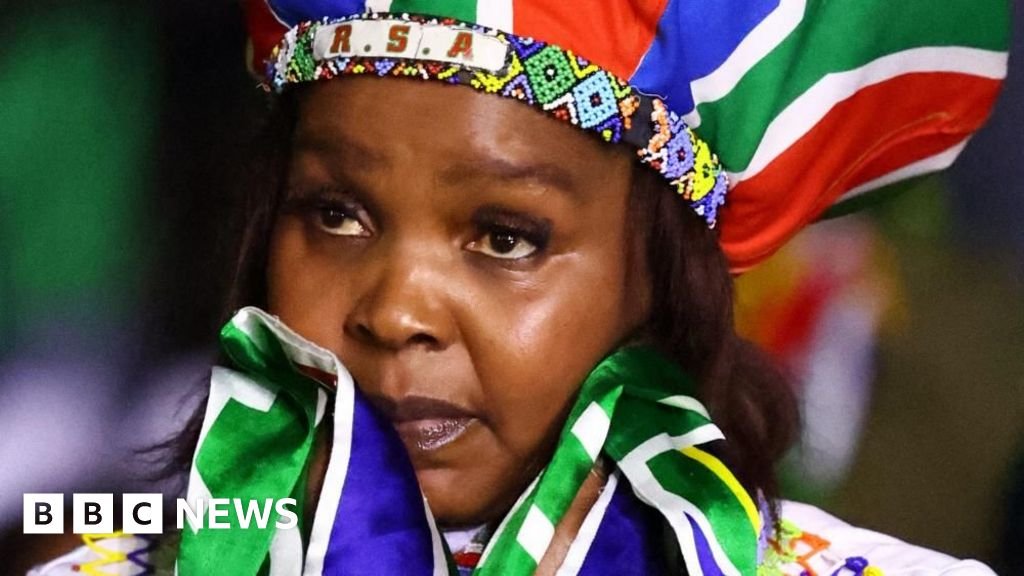
The Match That Exposed a Continent's Fractures In the opening game of this year's expanded World Cup co-hosted by the United States, Canada and Mexico, South Africa fell 2-0 to the Mexican side. What should have been another moment of shared African pride quickly turned into something else entirely on social media. Fans from Kenya, the Democratic Republic of Congo, Ghana and ot
The Match That Exposed a Continent's Fractures
In the opening game of this year's expanded World Cup co-hosted by the United States, Canada and Mexico, South Africa fell 2-0 to the Mexican side. What should have been another moment of shared African pride quickly turned into something else entirely on social media. Fans from Kenya, the Democratic Republic of Congo, Ghana and other nations openly cheered for Mexico instead of Bafana Bafana.
The result itself was disappointing for South African supporters, yet the reaction that followed revealed long-simmering resentments. Light-hearted memes featuring sombreros and tacos carried a sharper edge, reflecting anger over recent reports of xenophobic violence directed at African migrants living in South Africa.
Why Some Chose Mexico Over African Kin
Many supporters justified their stance by pointing to the mistreatment of migrants. One user on X asked directly why people should cheer for South Africa in soccer when reports showed foreigners facing hostility. Another post suggested that a Mexican victory would send South Africa home early so they could focus on protecting local jobs, echoing unfounded claims that migrants were responsible for the country's unemployment struggles.
Prominent Kenyan lawyer Ahmednasir Abdullahi posted that he hoped South Africa would not blame African migrants for the two red cards and the 2-0 scoreline. These comments were not isolated. They formed part of a wider wave where profile pictures changed to Mexican flags and users adopted Spanish-sounding names under captions such as "Mexico versus xenophobia."
Stories from the Fan Parks and Viewing Centres
At a fan park in Atlanta, Congolese supporter Daniel Kaniki explained his choice plainly. He described Africa as one country and said that when one part chases others away, the sense of family disappears. That is why he stood with Mexico on that day. Ghanaian Vanlare Quist, also present, took a different view and rooted for South Africa, describing himself as a proud African and attributing the anti-migrant feeling to a small number of individuals.
In South Sudan, public viewing centres in Juba showed strong support for Bafana Bafana. Many there link their own independence struggle to South Africa's fight against white-minority rule. Student George Kenyi Charles Rehan, aged 23, told the BBC that the social media trolling from other African countries was unfortunate. He affirmed that South Sudanese people would continue backing South Africa because the team represented the continent.
South Africans Respond with Defiance and Pride
Inside South Africa, the trolling met firm replies. One post reminded critics that the team had qualified for the World Cup without outside support and would remain South African regardless of the result. The same message added that illegal immigrants would still be required to leave whether outsiders approved or not.
Another response stated that supporters could back Mexico if they wished, but South Africans would not back down and expected migrants to arrive through legal channels. The government itself praised Bafana Bafana for a spirited performance that showed unity, determination and pride on the global stage.
Governments Act on the Threats
Nigeria became the latest country to begin repatriating some of its citizens from South Africa. Ghana, Zimbabwe and Malawi had already carried out evacuations after taking the anti-migrant threats seriously. These moves followed weeks of violence and intimidation aimed at people from other African nations.
Anti-migrant groups had set a deadline of 30 June for foreign nationals living illegally in South Africa to depart. President Cyril Ramaphosa warned against individuals taking the law into their own hands, stressing that only authorised officials could enforce violations. At the same time he acknowledged that the concerns of ordinary South Africans deserved to be heard and addressed.
The Broader Backdrop of Migration and Unemployment
Many people from across Africa moved to South Africa after the end of white-minority rule in 1994 in search of better opportunities. With unemployment now above 30 percent, tensions have grown. Protest marches have taken place in major cities, and xenophobic attacks have occurred in recent weeks.
The current climate stands in contrast to the spirit many hoped would define the post-apartheid era. The social media reaction during the World Cup match simply made visible divisions that had already been building on the ground.
Looking Ahead with a Senegalese Sense of Shared Belonging
From Dakar, the scenes on social media feel especially painful because they touch the very idea of African family that many of us grew up believing in. The contrast between the warmth shown in Juba and the mockery elsewhere reminds us that unity cannot be assumed. It must be tended to, especially when economic pressures and political failures create easy targets out of neighbours who once arrived with hope.
The World Cup will continue, and ten African teams remain in the competition. How supporters across the continent choose to engage with one another in the weeks ahead may say as much about our shared future as any result on the pitch.
By Amara Diop, Staff WriterThis article was produced with AI-assisted research and editorial support. Reporting is based on sources cited in the article.
What's Your Reaction?
 Like
0
Like
0
 Dislike
0
Dislike
0
 Love
0
Love
0
 Funny
0
Funny
0
 Wow
0
Wow
0
 Sad
0
Sad
0
 Angry
0
Angry
0

West Africa/Sahel Correspondent at Global1.News. Dakar-based journalist covering politics, security, climate, and development across Francophone and Anglophone West Africa. Tells the stories of a region undergoing profound transformation.










Comments (0)