
Chimamanda Adichie Accuses Lagos Hospital in Son's Death
The Tragic Events at Euracare Hospital in Lagos Chimamanda Ngozi Adichie’s young son Nkanu, just 21 months old, passed away on 7 January 2026 after being transferred to Euracare Hospital in Lagos for diagnostic tests. The child had first been admitted to Atlantis Hospital with a mild but worsening illness. Plans were underway to move him to Johns Hopkins Hospital in Baltimore,
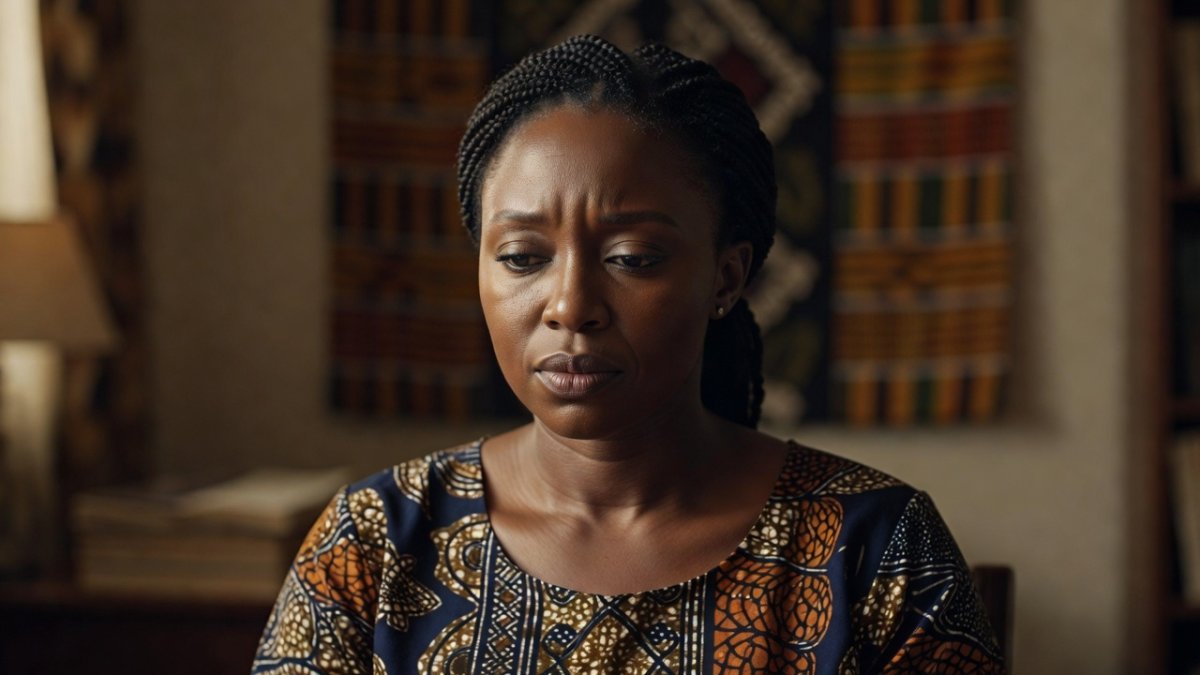
The Tragic Events at Euracare Hospital in Lagos
Chimamanda Ngozi Adichie’s young son Nkanu, just 21 months old, passed away on 7 January 2026 after being transferred to Euracare Hospital in Lagos for diagnostic tests. The child had first been admitted to Atlantis Hospital with a mild but worsening illness. Plans were underway to move him to Johns Hopkins Hospital in Baltimore, yet he was referred to Euracare for a pre-flight inspection that included an MRI and spinal tap. According to the family, these procedures led to the fatal outcome when oxygen was reportedly denied and excessive sedation administered, resulting in cardiac arrest. In African communities from Dakar to Lagos, such sudden losses ripple through extended families where children are seen as the living thread connecting ancestors to future generations. The referral process itself highlights how medical pathways across the continent often involve multiple facilities, each carrying its own risks and expectations of care.
Senegalese families, like many across West Africa, place deep trust in medical institutions during emergencies, especially when travel abroad is involved. The sequence of events at Euracare has left many questioning the coordination between hospitals in Nigeria’s largest city. Adichie was in Nigeria for the Christmas holidays, a time when families gather to strengthen bonds, making the timing of this loss particularly painful within cultural frameworks that value collective mourning. The details shared so far underscore the vulnerability of young patients navigating complex medical transfers in a region where access to specialised paediatric care remains uneven.
Medical Council Findings on Possible Negligence
An investigation panel by the Medical and Dental Council of Nigeria identified a possible case of medical negligence at Euracare Hospital. The panel’s conclusions point to failures in monitoring and treatment protocols during the diagnostic procedures performed on Nkanu. Family accounts describe how medics denied the child oxygen and administered too much sedation, directly contributing to cardiac arrest. These findings carry weight in Nigeria, where the council serves as the primary body overseeing professional standards for doctors and dentists. Across Africa, similar regulatory bodies in countries like Senegal and Ghana often face challenges in enforcing accountability when private hospitals are involved.
The hospital has expressed its “deepest sympathies” while denying any wrongdoing and stating that care met international standards. This contrast between the council’s assessment and the institution’s position reflects ongoing tensions in African healthcare systems between regulatory oversight and private sector claims of excellence. In many communities, such discrepancies erode confidence, particularly when families from across the continent seek treatment in Nigeria’s major medical centres. The council’s role in highlighting possible negligence offers a formal channel for scrutiny, yet the process also reveals how investigations can stretch over months, leaving families in prolonged uncertainty.
Adichie’s Public Letter and Its Cultural Resonance
In her first public statement since the death, Chimamanda Ngozi Adichie published a letter on social media that captured the profound isolation of grief. She wrote: “The ultimate and utter loneliness of grief is that only you can know the true depth of your despair. I long for, at least, peace to mourn, but Euracare Hospital has robbed me even of that.” These words resonated deeply across African societies where mourning is traditionally a communal act supported by extended family networks and rituals. In Senegal, for instance, families gather for days of remembrance that honour both the child and the ancestors, making any obstruction to that process feel especially wounding.
Adichie’s letter has sparked widespread discussion about the right to mourn without external interference. Her description of grief’s loneliness contrasts with the African emphasis on collective support, where communities rally around bereaved parents through songs, prayers, and shared meals. The public nature of her statement has amplified voices calling for greater transparency from medical facilities. Many readers across the continent recognised the universal pain of losing a child while noting how institutional actions can intensify that sorrow, turning private loss into a matter of public accountability.
The Legal Struggle Over the Coronial Inquest
Adichie has accused Euracare Hospital of obstructing a coronial inquest into her son’s death, alleging that the facility has “stalled and muddied and obfuscated” the process. The inquest was scheduled to begin in April, yet the hospital’s actions prompted her to request that Nigeria’s Federal High Court block the inquiry. This legal step represents a significant escalation in the pursuit of answers. In Nigeria and neighbouring countries, coronial processes are meant to establish facts surrounding unexpected deaths, yet delays often frustrate families seeking closure.
The request to the Federal High Court illustrates how African families sometimes must navigate complex judicial systems when medical institutions resist scrutiny. Senegalese observers note parallels with cases where private hospitals in Dakar have faced similar accusations of procedural delays. Adichie’s decision to pursue court intervention underscores the determination to secure an independent examination of events at Euracare. Such battles highlight the intersection of personal tragedy and institutional power, where legal avenues become essential tools for families across the continent determined to honour their loved ones through truth-seeking.
Implications for Medical Accountability Across Africa
The case raises important questions about medical accountability in Nigeria and beyond. The Medical and Dental Council’s findings of possible negligence signal that regulatory bodies are willing to examine private facilities, yet the hospital’s denial and alleged obstruction suggest enforcement remains difficult. In countries like Senegal, Ghana, and Kenya, similar incidents have prompted calls for stronger oversight of diagnostic procedures and patient transfers. Families throughout West Africa often travel to regional hubs for specialised care, making consistent standards essential.
This situation at Euracare could influence how future cases are handled, encouraging greater transparency in pre-flight medical assessments and sedation protocols. African healthcare systems continue to balance rapid growth in private hospitals with the need for rigorous patient protections. The involvement of high-profile figures like Adichie may accelerate discussions on reforming inquest procedures and ensuring that regulatory findings translate into meaningful consequences. Such developments matter deeply in communities where access to quality care determines daily survival and long-term trust in institutions.
Adichie’s Literary Legacy and Enduring Voice
Chimamanda Ngozi Adichie has authored award-winning novels including Half of a Yellow Sun from 2006 and Americanah from 2013. Her work has shaped global conversations about identity, migration, and African experiences. She regularly hosts panels with world leaders including former US Vice-President Kamala Harris and ex-Chancellor Angela Merkel, extending her influence far beyond literature. Living primarily in the United States while maintaining strong ties to Nigeria, Adichie embodies the transnational realities many African families navigate today.
Her voice carries particular weight in Senegal and across the continent because it articulates stories of resilience and complexity that resonate with local realities. Readers in Dakar often cite her portrayals of family dynamics and cultural expectations as mirrors to their own lives. Even amid personal tragedy, Adichie’s established platform allows her to connect individual grief to broader societal issues. This legacy ensures that her experiences contribute to ongoing dialogues about justice and dignity in African public life.
Trust in Healthcare Systems Across the Continent
Events at Euracare Hospital reflect wider challenges in building trust within African healthcare. Many families in Nigeria, Senegal, and neighbouring nations weigh the risks of local facilities against the costs of international transfers. The referral for an MRI and spinal tap before a flight to Baltimore illustrates the intricate pathways patients follow, yet when outcomes turn tragic, confidence in those systems falters. Private hospitals advertising international standards must demonstrate accountability to retain public faith.
In daily life across the continent, stories of medical encounters shape community decisions about where to seek treatment. Senegalese households frequently discuss hospital reputations during family gatherings, weighing personal recommendations against official reports. The allegations of denied oxygen and excessive sedation at Euracare add to existing concerns about sedation practices and emergency response in paediatric cases. Rebuilding trust requires consistent regulatory action and open communication from medical institutions, particularly when families cross borders for care during vulnerable moments such as holiday seasons.
Navigating Grief in the Public Eye Within African Traditions
African families often experience grief as both intimate and communal, yet public figures like Adichie face additional layers of scrutiny. Traditional practices in Senegal and Nigeria emphasise rituals that allow space for mourning, from naming ceremonies honouring the departed to extended family support networks. Adichie’s letter expresses a longing for peace to mourn, highlighting how institutional conflicts can disrupt these cultural processes. The public sharing of her words invites collective reflection while also exposing the family to ongoing attention.
Across the continent, parents who lose children in medical settings frequently balance private sorrow with calls for systemic change. Adichie’s position as a celebrated author amplifies this tension, turning personal loss into a catalyst for wider conversations. Communities in Lagos and Dakar alike recognise the strength required to seek justice while honouring a child’s memory. Her experience underscores how African families draw on cultural resilience to navigate public grief, transforming individual pain into advocacy that resonates far beyond one hospital in Nigeria.
By Amara Diop, Staff WriterThis article was produced with AI-assisted research and editorial support. Reporting is based on sources cited in the article.
What's Your Reaction?
 Like
0
Like
0
 Dislike
0
Dislike
0
 Love
0
Love
0
 Funny
0
Funny
0
 Wow
0
Wow
0
 Sad
0
Sad
0
 Angry
0
Angry
0

West Africa/Sahel Correspondent at Global1.News. Dakar-based journalist covering politics, security, climate, and development across Francophone and Anglophone West Africa. Tells the stories of a region undergoing profound transformation.














Comments (0)