
Mindanao Earthquake Death Toll Reaches 65 as Response Shifts to Shelter and Relief
The magnitude 7.8 earthquake that struck off the coast of Mindanao on June 8 has left deep scars across Regions 11 and 12, where ordinary Filipino families are now struggling to piece their lives back together. With 65 confirmed deaths as of Monday, June 15, according to the Office of Civil Defense, and 36 people still missing, the human cost continues to weigh heavily on baran
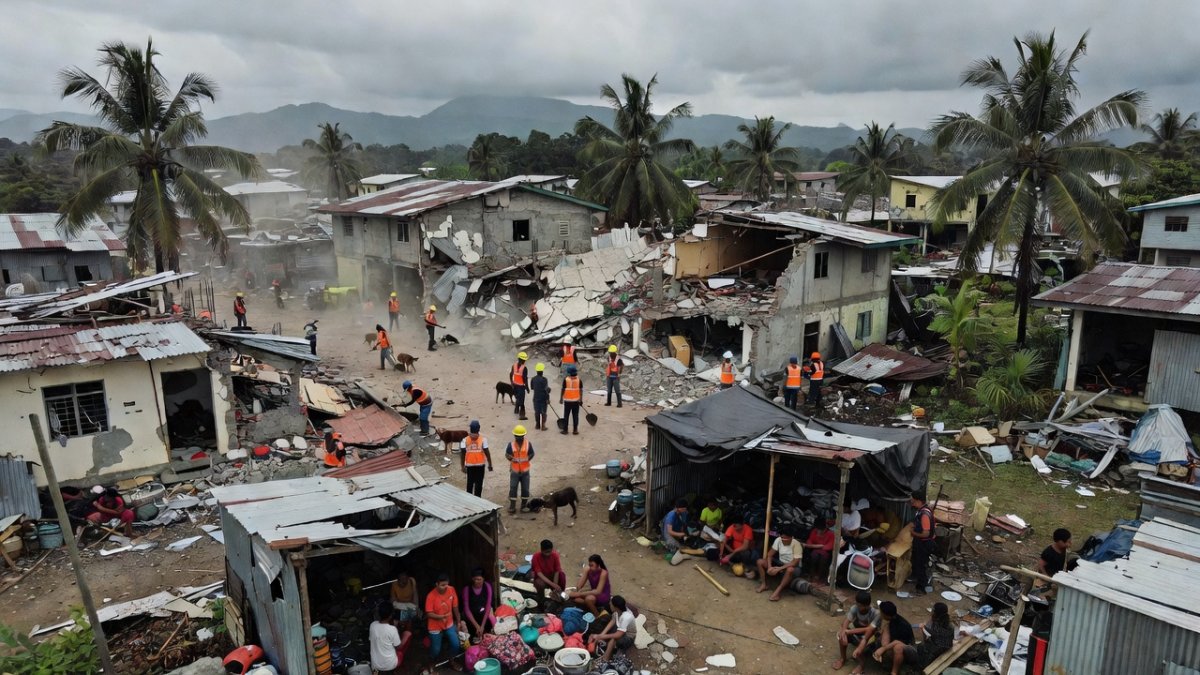
The magnitude 7.8 earthquake that struck off the coast of Mindanao on June 8 has left deep scars across Regions 11 and 12, where ordinary Filipino families are now struggling to piece their lives back together. With 65 confirmed deaths as of Monday, June 15, according to the Office of Civil Defense, and 36 people still missing, the human cost continues to weigh heavily on barangays that have long relied on close-knit ties to weather storms and disasters. Injured individuals number 1,447, while roughly 161,000 families or about 624,000 individuals across 432 barangays find themselves directly affected.
Barangay Life Upended by Loss and Uncertainty
In the days since the quake, families in affected barangays have faced the painful reality of homes reduced to rubble and daily routines shattered. The 728 damaged public and private structures represent not just buildings but the very centers of community life where children once played and neighbors gathered for simple meals. With estimated losses reaching P1.13 billion, many households now wonder how they will rebuild without steady income from small sari-sari stores or farming plots that were damaged.
Fourteen local government units have been placed under a state of calamity since the June 8 earthquake, allowing LGUs to access emergency funds and resources. Yet for residents, this declaration brings mixed feelings as they balance grief with the need to care for loved ones amid ongoing aftershocks. Barangay captains and kapitbahay networks are stepping up to coordinate aid distribution, drawing on the spirit of bayanihan that has long defined Filipino resilience in times of crisis.
Evacuation Centers and the Struggle for Shelter
Some 3,200 families, or roughly 14,200 individuals, have found temporary refuge in 37 evacuation centers scattered across the affected regions. These centers offer basic protection from the elements, but space is limited and conditions remain challenging for families with young children or elderly members. OCD Administrator Harold Cabreros has noted that authorities are looking to build more tent cities and temporary shelters to ease the pressure.
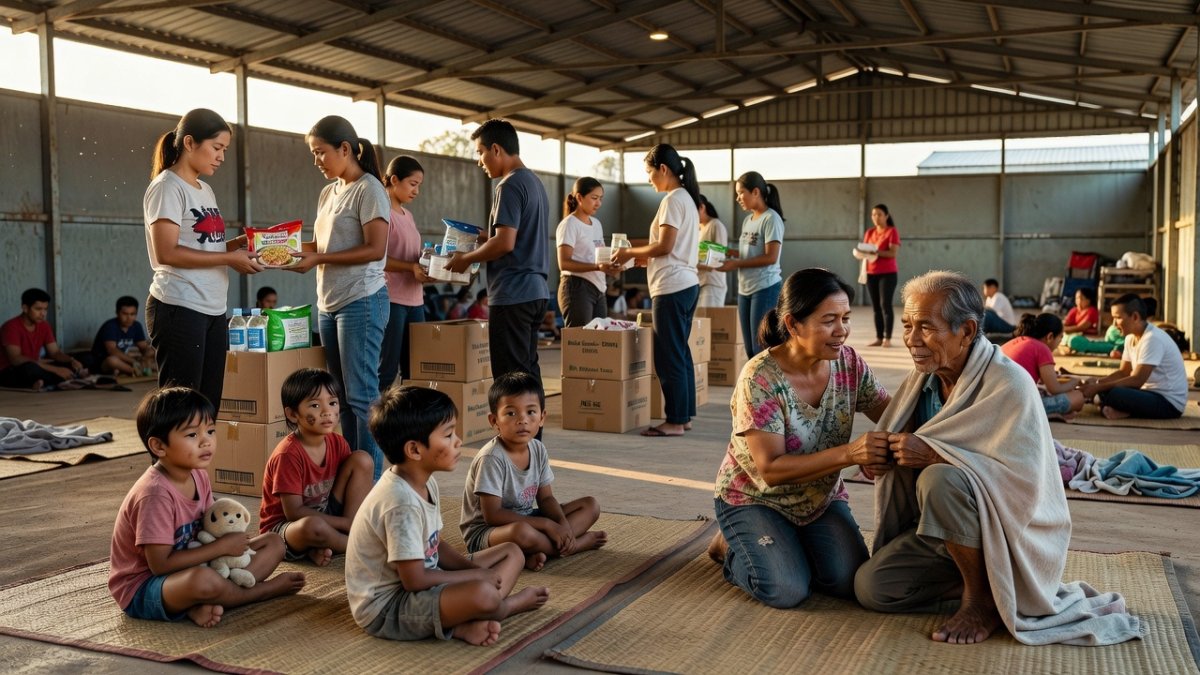
Meanwhile, another 14,000 families, totaling around 56,000 individuals, remain outside formal evacuation centers, often staying with relatives or in makeshift setups near their damaged homes. This situation highlights the quiet strength of communities where neighbors open their doors despite their own losses, sharing what little they have left. More shelter repair kits and materials are urgently needed to help these families begin the slow process of recovery.
Search and Rescue Efforts in Hard-Hit Areas
Search and rescue operations continue without pause, particularly in Glan in Sarangani, General Santos City, and Jose Abad Santos in Davao Occidental. Teams work through debris in hopes of locating the 36 missing persons, bringing a measure of hope to families who wait anxiously for any news. These efforts underscore the determination of responders who understand that every life saved strengthens the entire community.
For ordinary people in these areas, the ongoing searches serve as a reminder that they are not forgotten. Relatives gather near operation sites, offering prayers and support to one another while holding onto the possibility of reunions. The focus remains on thorough and compassionate work that respects the dignity of those affected.
Presidential Visit Brings Attention to Local Needs
President Ferdinand Marcos Jr. visited affected areas on June 10 and has indicated plans to return for further inspections. His presence has drawn national attention to the challenges facing Mindanao communities, encouraging coordination between national agencies and local officials. Families have expressed appreciation for the visibility, seeing it as a sign that their stories of hardship and endurance matter.
Local leaders in the 14 calamity-declared LGUs are working closely with national support to prioritize the most vulnerable households. This collaboration aims to ensure that aid reaches barangays efficiently, helping restore a sense of normalcy for students, workers, and farmers whose lives were interrupted by the quake.
Price Freeze Eases Daily Burdens for Households
The Department of Energy has implemented a price freeze on 11-kilogram LPG cylinders and kerosene in the calamity areas, providing immediate relief to families already stretched thin by losses. For households that rely on these fuels for cooking and lighting, the measure helps protect limited budgets during an uncertain period. This step connects directly to the daily realities of sari-sari store owners and tricycle drivers who need affordable energy to keep their livelihoods afloat.
Communities continue to adapt by sharing resources and organizing collective efforts to distribute available supplies. The price freeze stands as one concrete action that acknowledges the economic pressures on ordinary Filipinos striving to maintain stability for their children and extended families.
Looking Ahead with Community Strength
As recovery unfolds, the emphasis stays on supporting the human spirit that binds these Mindanao barangays together. With search and rescue still active and shelter needs growing, families draw comfort from one another while awaiting additional repair materials and temporary housing solutions. The combined impact on 624,000 individuals serves as a call for sustained attention to the everyday challenges they face.
Through all of this, the resilience rooted in Philippine culture offers a foundation for moving forward, one barangay at a time.
By Bella Reyes, Staff WriterThis article was produced with AI-assisted research and editorial support. Reporting is based on sources cited in the article.
What's Your Reaction?
 Like
0
Like
0
 Dislike
0
Dislike
0
 Love
0
Love
0
 Funny
0
Funny
0
 Wow
0
Wow
0
 Sad
0
Sad
0
 Angry
0
Angry
0

Philippines/Southeast Asia Correspondent at Global1.News. Manila-based journalist covering Philippine politics, environment, maritime security, and social issues. Passionate about marine conservation and the communities protecting the Philippines' natural heritage.










Comments (0)