
Chile Megadrought and Privatized Water: 15 Years of Crisis
Chile is running out of water. After 15 years of relentless drought, the reservoirs are near empty, the capital is begging for an emergency declaration, and in the Petorca valley, residents survive on 50 litres of water per day — while avocado orchards consume 100,000 litres per hectare. This is the human face of the megadrought, and it carries urgent lessons for all of Latin A
Chile is running out of water. After 15 years of relentless drought, the reservoirs are near empty, the capital is begging for an emergency declaration, and in the Petorca valley, residents survive on 50 litres of water per day — while avocado orchards consume 100,000 litres per hectare. This is the human face of the megadrought, and it carries urgent lessons for all of Latin America.
The Water Crisis That Is Reshaping Chile
Santiago, Chile — June 23, 2026 —
The Longest Drought in Recorded History
Chile has endured a 15-year megadrought since approximately 2010, with precipitation running 37 percent below normal levels across much of the country. This prolonged crisis has transformed the nation into one of the most water-stressed territories in the Western Hemisphere. In Santiago alone, only 22.7 millimeters of rain have fallen in 2026 so far, representing an 80.7 to 82 percent deficit as of June 19. The Dirección General de Aguas issued its June 2026 bulletin declaring the reservoir situation muy preocupante, underscoring how decades of insufficient rainfall have depleted critical storage infrastructure.
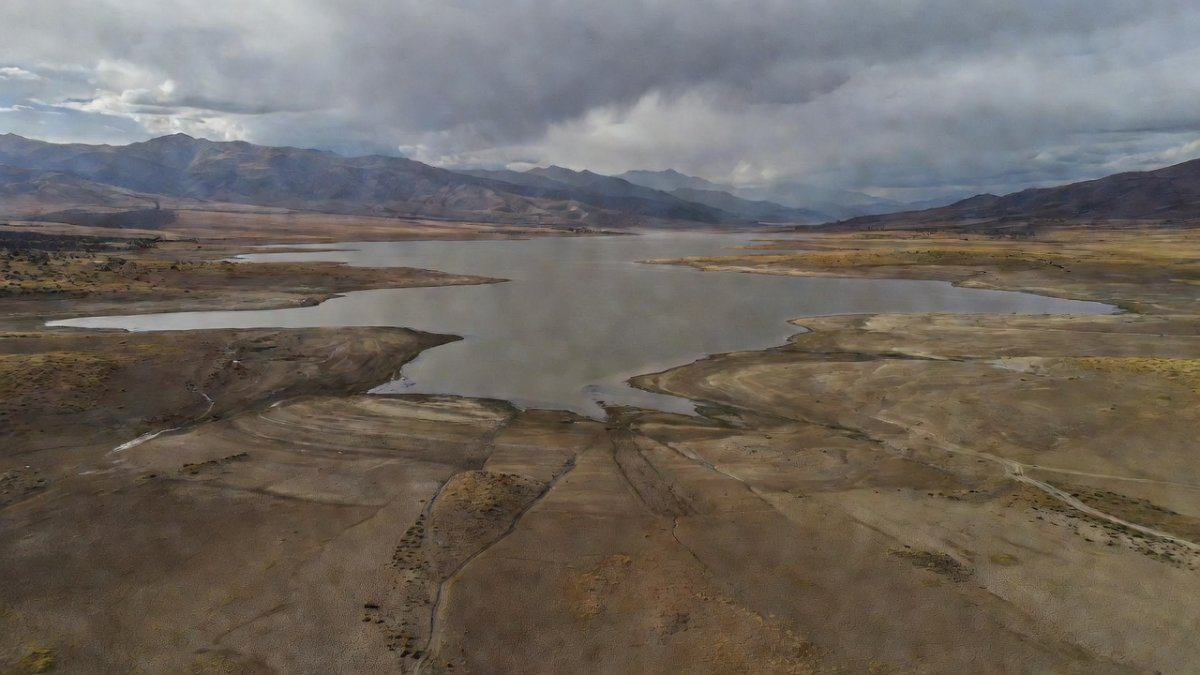
Communities across central Chile now face daily decisions about allocation that directly affect public health and agricultural viability. The scientific data reveal a clear trend of aridification driven by shifting climate patterns, with the Maipo basin serving more than 7.5 million people in Greater Santiago already under severe strain. Aguas Andinas and the Junta de Vigilancia del Río Maipo have formally requested a one-year zona de escasez hídrica designation to manage dwindling supplies. These conditions echo broader Latin American challenges where prolonged dry spells intersect with growing urban populations and export-oriented farming. The cumulative impact on ecosystems and human well-being demands urgent scientific attention and coordinated regional responses.
The Water Code That Privatized a Natural Resource
Enacted during the Pinochet dictatorship, the 1981 Water Code established a market-based system that treats water rights as private, tradable, and perpetual property separable from land ownership. This framework allows rights to be bought, sold, mortgaged, and inherited, creating incentives for speculation rather than sustainable use. Widespread over-allocation has resulted, with more rights granted than the sustainable water available in many basins. The policy shifted water from a public good into a commodity, concentrating control among large agricultural and industrial interests while leaving rural communities vulnerable.
In the Latin American context, Chile’s model stands out for its extreme commodification, influencing debates in neighboring countries facing similar scarcity. The Dirección General de Aguas has documented how this system exacerbates inequality, as smaller producers struggle to compete in auctions for remaining rights. Health implications emerge when households lose reliable access, forcing reliance on irregular deliveries that compromise sanitation and nutrition. The code’s legacy continues to shape every drought response, revealing how legal structures can either buffer or intensify climate-driven water stress across the region.
Santiago at the Precipice
Greater Santiago, home to more than 7.5 million residents served by the Maipo basin, now confronts an existential water emergency. The Dirección General de Aguas June 2026 bulletin labeled reservoir levels muy preocupante, prompting Aguas Andinas and the Junta de Vigilancia del Río Maipo to request a one-year zona de escasez hídrica declaration. With only 22.7 millimeters of rain recorded in 2026 and an 80.7 to 82 percent deficit as of June 19, the capital faces the prospect of mandatory restrictions that could affect daily life and economic activity.
Scientific monitoring shows the 15-year megadrought, 37 percent below normal precipitation, has pushed the system beyond historical variability. Public health authorities worry about reduced water quality and quantity during peak summer months, when demand surges. The Ministry of Public Works has coordinated with regional bodies to explore emergency measures, yet the privatized rights system limits rapid reallocation. Santiago’s situation illustrates how urban centers in Latin America must balance growth against finite resources, with the megadrought serving as a warning for other capitals facing comparable climate pressures.
Petorca: Avocados vs. Human Survival
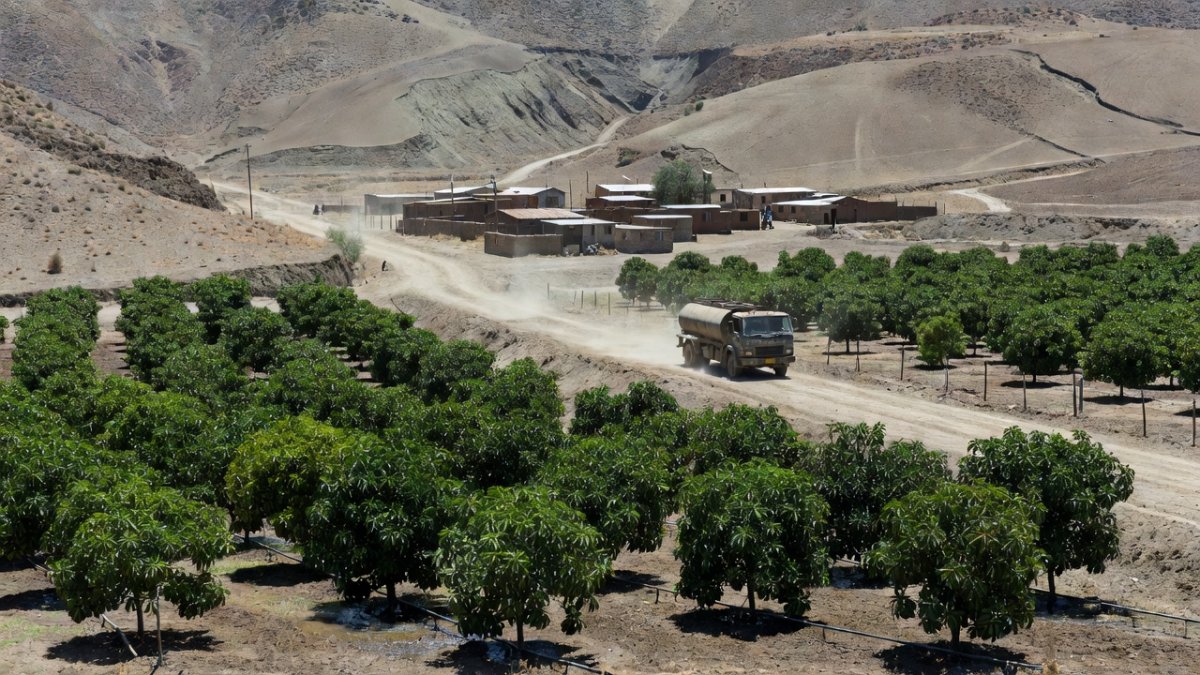
The Petorca valley in Chile’s Valparaíso region has become the emblematic water conflict of the megadrought era. One avocado requires approximately 320 liters of applied water under local conditions, meaning a single hectare of orchard consumes roughly 100,000 liters daily—equivalent to the daily needs of about 1,000 people. During declared water emergencies, residents have been rationed to just 50 liters per person per day, forcing reliance on camiones aljibes while commercial orchards continue operating.
MODATIMA, the Movimiento de Defensa por el Acceso al Agua, Tierra y Medio Ambiente, has led sustained community resistance, documenting how the 1981 Water Code enabled upstream rights holders to dominate flows. The Instituto de Desarrollo Agropecuario now delivers targeted aid to small producers, yet structural imbalances persist. This disparity directly affects nutrition and hygiene outcomes in affected households. Petorca’s crisis mirrors patterns elsewhere in Latin America, where export crops claim disproportionate shares of scarce water, highlighting the tension between global markets and local survival needs under prolonged drought conditions.
2022 Reforms and the Desalination Gamble
The 2022 Water Code reform declared water a national good for public use, establishing human consumption as the priority and mandating ecological flows to protect ecosystems. This legislative shift aims to correct decades of over-allocation under the 1981 framework. In May 2026, a new desalination law created a national framework requiring industrial projects to reserve up to 5 percent of capacity for human consumption and sanitation. These measures represent the first meaningful attempt to rebalance rights after years of market dominance.
The Dirección General de Aguas and Ministry of Public Works are tasked with implementation, yet enforcement remains complex in basins already over-allocated. In Petorca, INDAP continues supporting smallholders while communities await tangible relief. Desalination offers a technological pathway, but energy demands and coastal access raise new sustainability questions. Across Latin America, similar reforms are under discussion as governments confront the health and economic costs of water scarcity intensified by the 15-year megadrought and 37 percent precipitation deficit.
New Demands, New Pressures
Emerging sectors are adding fresh strain to Chile’s already stressed water systems. The rapid expansion of data centers and artificial intelligence infrastructure introduces significant new consumption in regions already experiencing the 15-year megadrought. Santiago’s Maipo basin, serving more than 7.5 million people, must now accommodate these digital demands alongside traditional agricultural and urban needs. The Dirección General de Aguas June 2026 bulletin highlighted how cumulative pressures compound the 80.7 to 82 percent rainfall deficit recorded so far this year.
While mining operations in the north have shifted toward desalination, achieving more than 40 percent non-freshwater use, central Chile lacks equivalent infrastructure. The 2022 reforms and May 2026 desalination law attempt to steer future projects toward public benefit, yet implementation timelines lag behind accelerating demand. Health researchers note rising concerns over water quality when multiple users compete for limited supplies. These dynamics underscore the need for integrated planning that anticipates both climate and technological drivers across Latin America’s most water-stressed nations.
What This Means for Latin America
Chile’s experience offers critical lessons for the hemisphere. Projected to face extreme water stress by 2040, the country exemplifies how a 15-year megadrought combined with a privatized rights system can undermine equitable access. Similar patterns appear in Peru’s Ica Valley, where asparagus exports compete with local needs, and Mexico’s Michoacán region, where avocado orchards mirror Petorca’s conflicts. The 1981 Water Code’s legacy of over-allocation and tradable rights has concentrated resources among powerful actors while communities depend on camiones aljibes.
The 2022 reforms and new desalination requirements signal a potential shift toward prioritizing human consumption, yet broader adoption across Latin America remains uneven. Scientific assessments link these water crises to measurable health impacts, including nutrition deficits and sanitation challenges. Regional cooperation on ecological flows and climate adaptation could mitigate future shocks, but political will varies. Chile’s trajectory demonstrates that legal frameworks and investment choices determine whether drought becomes a manageable stress or a humanitarian emergency.
The Bottom Line — What Comes Next
Chile stands at a crossroads where the 15-year megadrought, 37 percent precipitation shortfall, and legacy of the 1981 Water Code converge with new technological demands. The Dirección General de Aguas continues monitoring reservoirs described as muy preocupante, while Aguas Andinas pushes for extended scarcity declarations in the Maipo basin. Implementation of the 2022 reforms and May 2026 desalination law will determine whether human needs finally take precedence over commercial allocation.
MODATIMA and INDAP-supported communities in Petorca illustrate both the human cost and the possibility of organized response. Across Latin America, the same tensions between export agriculture, urban growth, and basic access will intensify under climate stress. Sustained investment in ecological monitoring, equitable rights reform, and diversified supply offers the clearest path forward. Without decisive action, the health and social consequences of chronic scarcity will deepen, testing the resilience of societies already stretched thin by prolonged drought.
By Elena Vasquez, Staff Writer
This article was produced with AI-assisted research and editorial support. Reporting is based on sources cited in the article.
What's Your Reaction?
 Like
0
Like
0
 Dislike
0
Dislike
0
 Love
0
Love
0
 Funny
0
Funny
0
 Wow
0
Wow
0
 Sad
0
Sad
0
 Angry
0
Angry
0

Latin America Correspondent at Global1.News. Based in Mexico City, covering politics, economics, energy, and culture across the region. Brings an on-the-ground perspective to stories spanning from the Rio Grande to Patagonia.













Comments (0)