
Bolivia Declares Emergency Amid Widespread Blockades
Bolivia Declares Emergency Amid Widespread Blockades President Rodrigo Paz has declared a state of emergency following weeks of protests that have blocked roads across the country. The measure aims to give authorities wider authority to remove barricades set up by demonstrators, which have led to shortages of fuel, food, and medicine in many regions. In his statement, Paz said
Bolivia Declares Emergency Amid Widespread Blockades
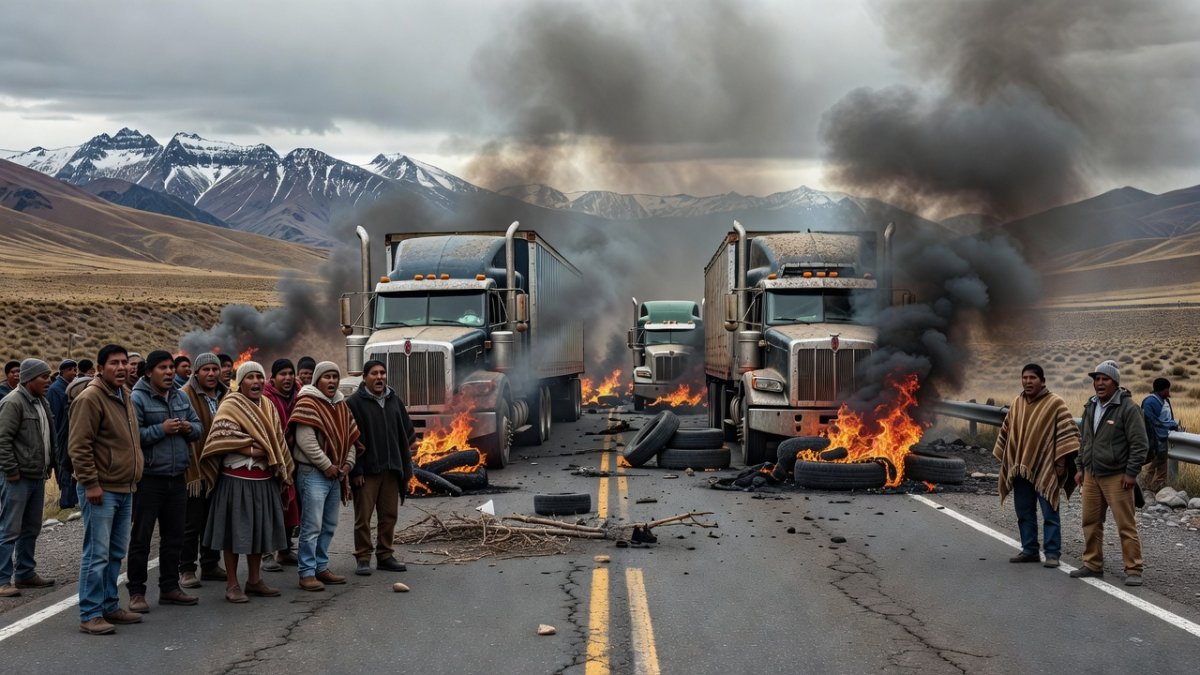
President Rodrigo Paz has declared a state of emergency following weeks of protests that have blocked roads across the country. The measure aims to give authorities wider authority to remove barricades set up by demonstrators, which have led to shortages of fuel, food, and medicine in many regions. In his statement, Paz said the emergency powers would free the roads and restore normal movement of goods and people. Bolivia's Congress now has 72 hours to approve or reject the declaration under existing law.
(Global 1 News)
The unrest began at the end of April and has already resulted in several deaths and hundreds of arrests. Miners, farmers, and indigenous groups have maintained the blockades in key transport corridors, halting commerce between cities and rural areas. Paz has described the actions as an organized effort to destabilize the government rather than a response to specific policies.
Land Reform Triggers and Indigenous Community Concerns
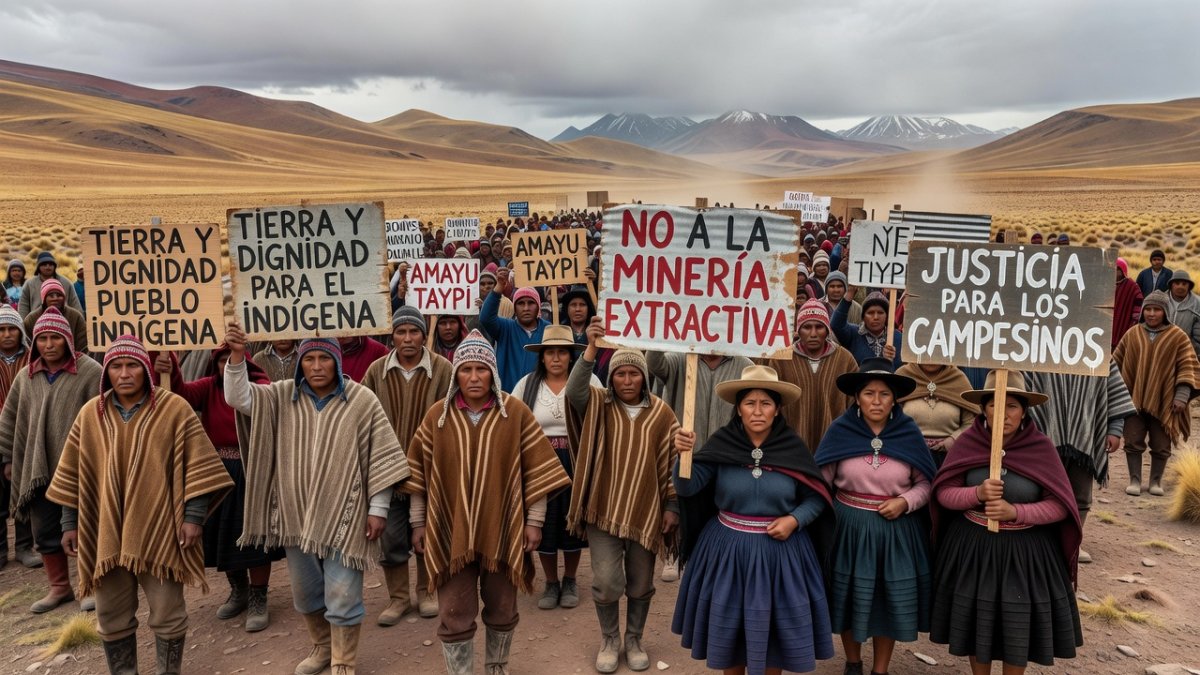
The protests originated with opposition to a land reform proposal introduced by Paz. Critics said the changes would ease acquisitions by large landowners at the expense of smallholders, many of whom belong to indigenous communities in the highlands and eastern lowlands. Paz later withdrew the reform, yet the demonstrations continued and broadened.
Farmers who initially led the actions have been joined by miners and other groups. These participants cite additional grievances, including reductions in long-standing fuel subsidies and proposed constitutional amendments. Demonstrators argue that the constitutional shifts would weaken oversight of natural resources, affecting how land and minerals are managed in territories traditionally held by indigenous populations.
Indigenous organizations in Bolivia have long linked secure land rights to the protection of forests and water sources that sustain local livelihoods. The current blockades reflect those longstanding connections between property rules and environmental stewardship in rural areas.
Fuel Subsidies, Austerity, and Resource Governance
Rollback of fuel subsidies forms a central demand of the protest movement. These subsidies have supported transportation and agriculture for years, and their reduction has raised costs for small-scale producers who rely on affordable diesel to reach markets. At the same time, proposed constitutional changes would alter rules governing private investment in sectors such as mining and energy.
Paz, elected last October as a center-right leader, maintains that opening the economy to greater private participation will generate revenue and jobs. Opponents counter that reduced oversight could accelerate extraction in sensitive ecosystems without adequate safeguards for local communities. The debate echoes similar tensions elsewhere in Latin America where indigenous groups seek stronger roles in decisions about resource use.
Congress passed legislation last month that simplifies the process for declaring emergencies and deploying security forces. This legal step occurred before the latest unrest intensified, adding another layer to the political friction.
(Global 1 News)
Accusations Involving Former President Morales
Paz has pointed to former president Evo Morales as a figure behind the protests. Morales, who led Bolivia for more than a decade and remains influential among rural and indigenous voters, has rejected those claims. The current crisis highlights divisions between Paz's administration and supporters of the previous government's approach to social programs and resource policy.
Attempts by Paz to ease tensions, including a cabinet reshuffle, salary cuts for top officials, and the creation of a negotiation council, have not ended the blockades. The measures were intended to address feelings of exclusion among certain sectors, yet demonstrators have continued their actions in multiple departments.
Regional Context for Indigenous Rights and Environmental Policy
Bolivia's situation fits into wider patterns across Latin America where indigenous communities respond to policy shifts affecting land and resources. In neighboring countries, similar disputes have centered on mining expansion and agricultural frontiers that intersect with protected areas and ancestral territories. The Bolivian protests illustrate how economic austerity and constitutional debates can quickly intersect with these environmental and cultural concerns.
Groups involved in the current blockades represent voices that have historically advocated for community control over forests, rivers, and mineral deposits. Their participation underscores the role of indigenous organizations in shaping national conversations about sustainable development and equitable resource distribution.
Shortages caused by the roadblocks have already affected daily life in cities and towns far from the main protest sites. Markets report limited supplies of basic goods, while hospitals face challenges obtaining medicines and fuel for generators. These immediate effects compound longer-term uncertainties about how the crisis will influence environmental governance and indigenous participation in decision-making.
Outlook for Stability and Resource Management
The state of emergency remains subject to congressional review within the required timeframe. Outcomes will determine whether additional security measures are applied to clear remaining blockades or whether further negotiations become necessary. Both sides continue to frame the conflict in terms of national stability versus protection of established rights and subsidies.
Observers note that resolution of the immediate unrest will still leave open questions about land policy, fuel pricing, and constitutional oversight of natural resources. These issues directly affect indigenous communities whose territories overlap with areas of agricultural and mining interest. Continued attention to these connections will shape Bolivia's path forward and its place within regional discussions on climate resilience and indigenous rights.
By Elena Vasquez, Staff WriterThis article was produced with AI-assisted research and editorial support. Reporting is based on sources cited in the article.
What's Your Reaction?
 Like
0
Like
0
 Dislike
0
Dislike
0
 Love
0
Love
0
 Funny
0
Funny
0
 Wow
0
Wow
0
 Sad
0
Sad
0
 Angry
0
Angry
0

Latin America Correspondent at Global1.News. Based in Mexico City, covering politics, economics, energy, and culture across the region. Brings an on-the-ground perspective to stories spanning from the Rio Grande to Patagonia.












Comments (0)