
Canada Selects German Firm for Submarine Fleet Renewal
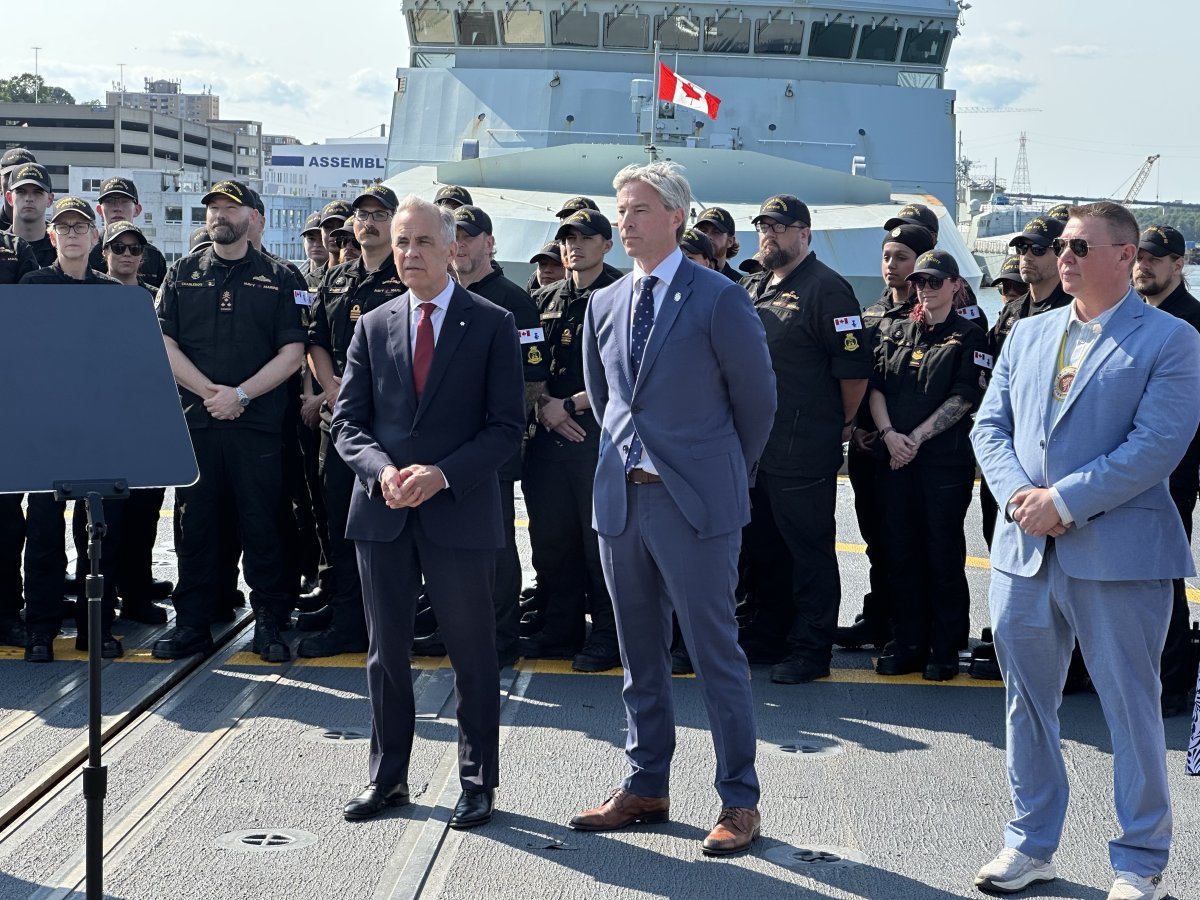
The Announcement at CFB Halifax On July 6, 2026, Prime Minister Mark Carney stood at CFB Halifax to declare that Thyssenkrupp Marine Systems had been selected as the preferred supplier for Canada’s next generation of submarines. The decision marks the largest military procurement in Canadian history, with a value measured in tens of billions of dollars and a plan to acquire up
The Announcement at CFB Halifax
On July 6, 2026, Prime Minister Mark Carney stood at CFB Halifax to declare that Thyssenkrupp Marine Systems had been selected as the preferred supplier for Canada’s next generation of submarines. The decision marks the largest military procurement in Canadian history, with a value measured in tens of billions of dollars and a plan to acquire up to twelve Type 212CD diesel-electric boats. These vessels will replace the four aging Victoria-class submarines that have long formed the backbone of the Royal Canadian Navy’s undersea fleet. The announcement came just days before the NATO summit in Ankara, Turkey, underscoring the strategic timing chosen by the federal government.
Canada retains the option to switch to South Korea’s Hanwha Ocean should negotiations with Thyssenkrupp Marine Systems fail to reach a satisfactory conclusion. The first submarine is expected no earlier than 2033, with a contract target set for the end of 2027. Officials emphasised that any final agreement must deliver industrial benefits to Canada equal in value to the investment itself. This condition reflects long-standing Canadian expectations that major defence purchases generate tangible domestic returns rather than simply transferring funds overseas.
The selection of Thyssenkrupp Marine Systems carries profound implications for how Canada approaches future defence acquisitions. By choosing a design already under construction for Germany and Norway, the government signals a preference for proven platforms that can be adapted rather than developed from scratch. This approach reduces technical risk while still requiring substantial Canadian content. The timing ahead of the Ankara summit further positions the procurement as evidence of Canada’s renewed commitment to alliance obligations at a moment when undersea capabilities are in high demand across NATO.
Analysis of the announcement reveals careful attention to both operational and political considerations. The retention of a fallback option with Hanwha Ocean provides negotiating leverage and ensures that Canada is not locked into a single supplier. At the same time, the explicit requirement for industrial benefits equal to the investment value demonstrates continuity with past policy while raising the stakes for domestic economic returns. These elements together illustrate a procurement strategy that balances speed, capability, and national interest in one of the most consequential defence decisions in decades.
Canadian Context: Victoria-Class Challenges and Past Delays
The Victoria-class submarines have served Canada since the early 2000s, yet they have been plagued by repeated maintenance issues and limited operational availability. Replacing these four boats with a fleet of up to twelve modern Type 212CD vessels represents a fundamental reset for Canadian undersea capabilities. The new submarines are already under construction for Germany and Norway, offering Canada a proven design that can be adapted to meet national requirements for Arctic operations and NATO interoperability.
Procurement timelines have historically stretched far beyond initial projections in Canadian defence projects, and the 2033 delivery target for the first Type 212CD acknowledges this reality. By setting a contract target for the end of 2027, the government aims to lock in industrial arrangements early enough to avoid the cascading delays that affected earlier submarine programs. The roughly 50-50 split of the future fleet between East and West coasts further demonstrates an effort to balance regional operational needs that were not always prioritised in past acquisitions.
Historical patterns in Canadian submarine procurement show that earlier programs suffered from insufficient domestic sustainment capacity and over-reliance on foreign expertise. The current plan seeks to correct these shortcomings by embedding industrial benefits requirements from the outset. The Victoria-class experience, marked by extended periods alongside for repairs, highlighted the cost of limited fleet size and aging platforms. Expanding to twelve hulls addresses both availability concerns and the need for greater presence in critical waters.
The decision to proceed with a mature design already in production elsewhere also reflects lessons from previous delays. Rather than pursuing a bespoke Canadian solution that could extend timelines further, officials have opted for a platform with established supply chains. This choice, combined with the firm contract target date, indicates a deliberate attempt to compress the schedule while still meeting the complex requirements of Arctic operations and alliance standards. The emphasis on early industrial arrangements underscores recognition that past delays often originated in unresolved domestic content negotiations.
Economic Impact on Atlantic Canada in Detail
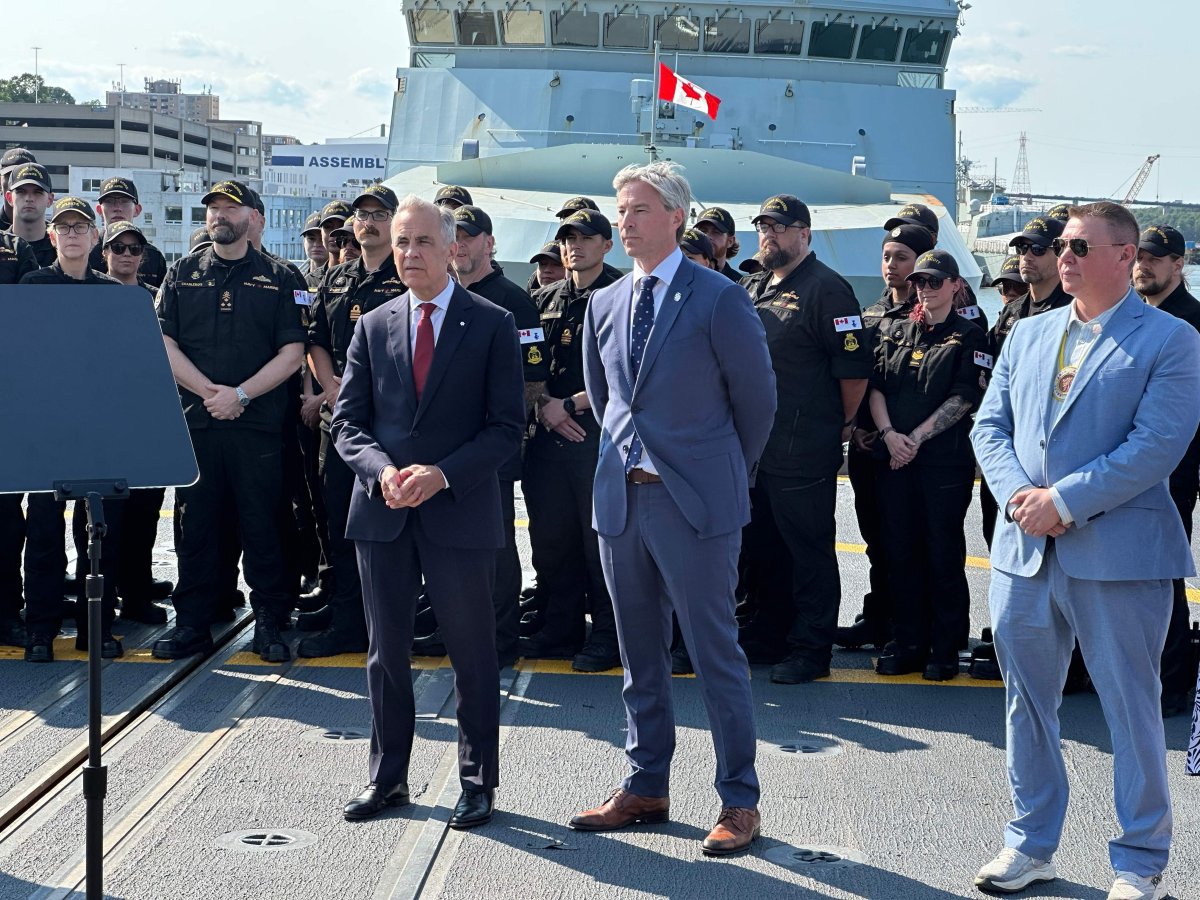
Nova Scotia Premier Tim Houston described the submarine program as a generational investment for the province, highlighting the scale of work expected to flow into Halifax and surrounding communities. Defence analyst Ken Hansen has estimated that the project could support approximately 15,000 full-time permanent jobs across Atlantic Canada once construction and sustainment activities reach full stride. These positions would extend well beyond the initial build phase, encompassing long-term maintenance, training, and systems integration work that could last decades.
Halifax Mayor Andy Fillmore called the decision one of the most consequential defence procurement choices Canada has made in a generation, pointing to the concentration of naval infrastructure already present in the city. Local firms such as Gastops, which maintains an office in Nova Scotia, have already begun positioning themselves for partnerships with Thyssenkrupp Marine Systems on control-system sustainment. The requirement that the value of the investment be matched by spending inside Canada ensures that a substantial portion of the tens of billions of dollars will circulate through Atlantic Canadian supply chains rather than remaining entirely in Europe.
The projected economic impact extends well beyond direct employment figures. The multi-decade sustainment phase will create recurring demand for skilled trades, engineering services, and advanced manufacturing that can anchor regional economic development for generations. Halifax’s existing naval base infrastructure positions the city to capture a disproportionate share of this activity, reinforcing its role as a centre of maritime defence expertise. The 50-50 fleet distribution between coasts will also channel meaningful work to British Columbia, yet the concentration of initial sustainment activity in Nova Scotia promises the most immediate and visible effects in Atlantic Canada.
Regional leaders have framed the procurement as an opportunity to reverse decades of underinvestment in defence-related industry. The industrial benefits mandate transforms what might otherwise be an offshore purchase into a catalyst for local capacity building. With construction and maintenance activities spanning decades, the program offers stability that few other sectors can match. This long-term horizon allows communities to plan workforce development and infrastructure investments with greater confidence, potentially attracting additional private-sector activity tied to the submarine supply chain.
Federal-Provincial Dynamics in Defence Spending
The selection of Thyssenkrupp Marine Systems required close coordination between federal defence planners and provincial governments, particularly in Nova Scotia where much of the sustainment work is expected to occur. Premier Tim Houston’s public endorsement signals strong provincial support for the industrial benefits package, which must deliver equivalent value in Canadian investment. This alignment reduces the risk of intergovernmental friction that has occasionally slowed other major procurements.
By anchoring the program at CFB Halifax, the federal government has reinforced the historic role of Atlantic Canada in naval operations while addressing long-standing provincial calls for greater defence-related employment. The 50-50 distribution of submarines between coasts further illustrates Ottawa’s sensitivity to regional equities, ensuring that British Columbia also receives meaningful operational and industrial activity. Such balancing acts remain central to successful federal-provincial relations whenever large defence contracts are at stake.
The federal-provincial relationship in this procurement also reflects broader patterns in Canadian defence spending. Provinces have historically sought greater influence over where contracts are executed and how benefits are distributed. The explicit requirement for industrial offsets equal to the investment value provides a concrete mechanism for satisfying these demands. Nova Scotia’s early and vocal support suggests that the benefits package has been structured to meet provincial expectations, thereby smoothing the path toward final contract approval.
Coordination challenges remain, however, particularly around workforce development and infrastructure readiness. While the federal government sets overall procurement parameters, provincial governments control education, training, and many aspects of economic development policy. The success of the submarine program will therefore depend on continued collaboration to ensure that Atlantic Canadian workers and firms are positioned to capture the promised opportunities. The 50-50 fleet split represents one visible outcome of these negotiations, demonstrating how regional considerations shape even the operational dimensions of major defence acquisitions.
NATO Alliance Context and Arctic Sovereignty
German Chancellor Friedrich Merz welcomed the selection of Thyssenkrupp Marine Systems, noting the enhanced NATO cooperation that will result from Canada operating the same Type 212CD design already chosen by Germany and Norway. This interoperability strengthens collective undersea awareness across the alliance at a time when Arctic security challenges are growing. The submarines’ stealth characteristics and Arctic capability were explicitly cited among Canada’s core requirements.
Prime Minister Carney’s decision to announce the preferred supplier ahead of the NATO summit in Ankara positioned Canada as a serious contributor to alliance modernisation efforts. The new fleet will directly support Canadian Arctic sovereignty objectives by providing persistent undersea presence in northern waters where surface vessels face seasonal limitations. NATO partners will benefit from the expanded Canadian submarine force, which will more than double the current number of hulls available for joint operations.
The NATO dimension of the procurement carries significance beyond immediate operational gains. By aligning with an existing European program, Canada deepens defence industrial ties with key allies at a moment when alliance cohesion faces multiple pressures. The Type 212CD’s proven Arctic performance directly addresses Canadian sovereignty concerns in the north, where climate change is opening new waterways and increasing foreign interest. This dual benefit—alliance interoperability and northern presence—illustrates how a single procurement decision can advance multiple strategic objectives.
Arctic sovereignty considerations have shaped Canadian submarine requirements for decades, yet previous platforms offered limited capability in ice-covered waters. The Type 212CD selection represents a deliberate effort to close this gap while simultaneously meeting NATO expectations for burden-sharing. The expanded fleet size will allow Canada to contribute more meaningfully to alliance undersea surveillance and deterrence missions. This enhanced role comes at a time when NATO is placing greater emphasis on northern security, making the timing of the announcement particularly consequential for Canada’s standing within the alliance.
Implications for Canadian Defence Industrial Policy
The insistence that the value of the submarine investment be matched by spending inside Canada reflects an evolution in Canadian defence industrial policy toward stricter offset requirements. By selecting a design already in production for two NATO allies, Canada gains access to an established supply chain while still mandating significant domestic work. This approach seeks to avoid the capability gaps that arose when earlier submarine programs relied heavily on foreign sustainment expertise.
Partnerships such as the one between Gastops and Thyssenkrupp Marine Systems illustrate how Canadian firms can secure long-term roles in control-system sustainment rather than one-time construction contracts. Chief Executive Shaun Horning emphasised that the benefits extend far beyond the physical construction of the equipment, pointing to technology transfer and ongoing engineering work. The policy therefore aims to build enduring industrial capacity rather than simply acquiring platforms.
The policy shift evident in this procurement also responds to criticisms of past defence purchases that delivered limited domestic returns. By requiring industrial benefits equal in value to the investment, the government establishes a higher standard that future procurements may be expected to meet. The involvement of established Canadian firms like Gastops from the earliest stages suggests that the policy is already influencing supplier behaviour and partnership formation.
Long-term implications for Canadian defence industrial capability include the potential development of niche expertise in submarine-related technologies. Rather than remaining solely an operator of foreign-designed equipment, Canada can position itself as a contributor to an international supply chain. This evolution supports broader goals of strategic autonomy while maintaining alliance interoperability. The emphasis on technology transfer and sustainment work further ensures that domestic capabilities will persist beyond the initial construction phase, creating a more resilient national defence industrial base.
Supply Chain Implications for Small and Medium Canadian Businesses
Small and medium enterprises across Atlantic Canada stand to gain from the requirement that industrial benefits match the scale of the submarine investment. Companies already active in naval sustainment, such as Gastops, are positioned to expand their workforce and facilities as control-system work materialises. The multi-decade nature of submarine operations creates recurring demand for components, software updates, and training services that SMEs are well suited to provide.
The 50-50 split between coasts will also stimulate supply-chain activity on the Pacific side, encouraging western Canadian firms to develop capabilities in submarine-related technologies. Because the Type 212CD design is already being built for Germany and Norway, Canadian suppliers can integrate into an existing production ecosystem rather than starting from scratch. This reduces entry barriers for smaller businesses that might otherwise struggle to meet the stringent quality standards of submarine construction.
Supply chain development will require deliberate effort to connect SMEs with prime contractors and to build the necessary certifications and relationships. The long operational life of the submarines creates opportunities for ongoing innovation in areas such as predictive maintenance and sensor integration. Firms that establish early partnerships stand to benefit from technology transfer arrangements that can enhance their competitiveness in other markets as well.
The overall effect on Canadian defence industrial policy is to embed supply chain resilience into procurement decisions from the beginning. By mandating domestic industrial benefits equal to the investment value, the government creates incentives for prime contractors to invest in Canadian capabilities rather than treating offsets as an afterthought. This approach supports both economic and security objectives by ensuring that critical skills and infrastructure remain available throughout the fleet’s service life. The participation of SMEs will be essential to realising these goals, as they often provide the specialised expertise and agility that larger contractors rely upon for sustainment activities.
Tags: submarine procurement, TKMS, Type 212CD, Atlantic Canada economy, NATO interoperability, Arctic sovereignty, defence industrial policy
By Alex Thompson, Staff Writer
This article was produced with AI-assisted research and editorial support. Reporting is based on sources cited in the article.
What's Your Reaction?
 Like
0
Like
0
 Dislike
0
Dislike
0
 Love
0
Love
0
 Funny
0
Funny
0
 Wow
0
Wow
0
 Sad
0
Sad
0
 Angry
0
Angry
0

Canada Correspondent at Global1.News. Based in Toronto, covering Canadian politics, energy, trade, and US-Canada relations. Provides the Canadian perspective on North American and global affairs.













Comments (0)