
Japan, Philippines, US Complete Joint South China Sea Drills
The Japan Maritime Self-Defense Force, the Armed Forces of the Philippines and the United States Navy have completed their 17th Multilateral Maritime Cooperative Activity in the South China Sea, a five-day exercise that concluded on July 25 as diplomatic tensions between Manila and Beijing approach
Japan, Philippines, US Complete Joint South China Sea Drills
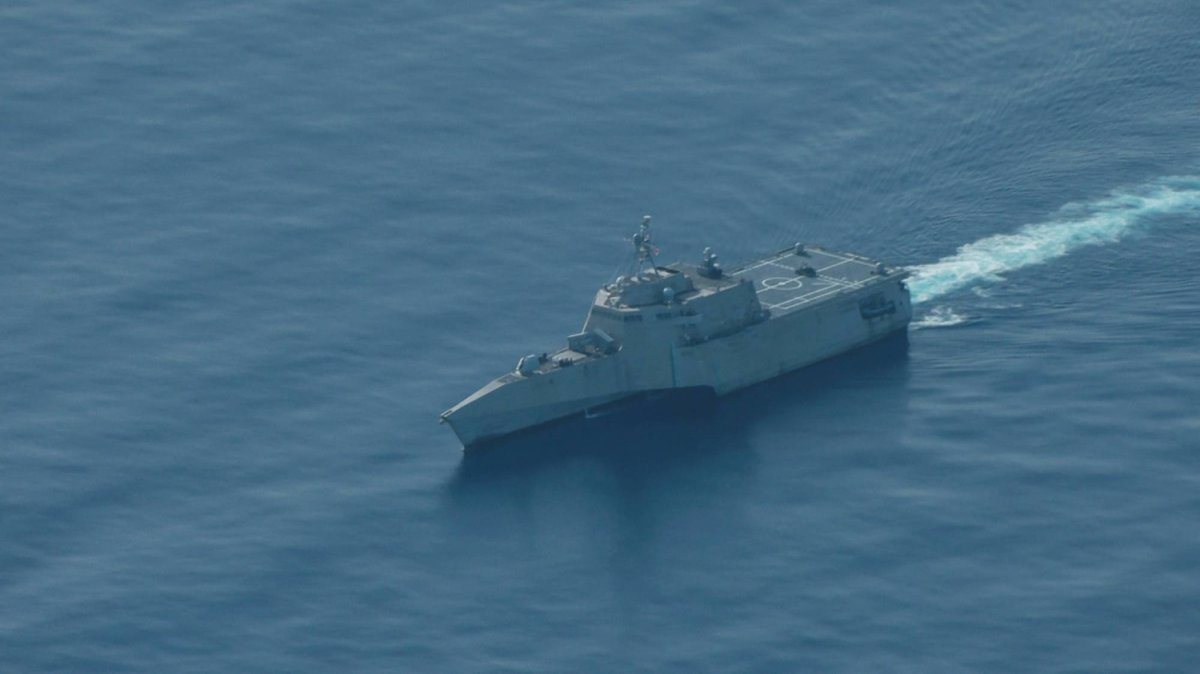
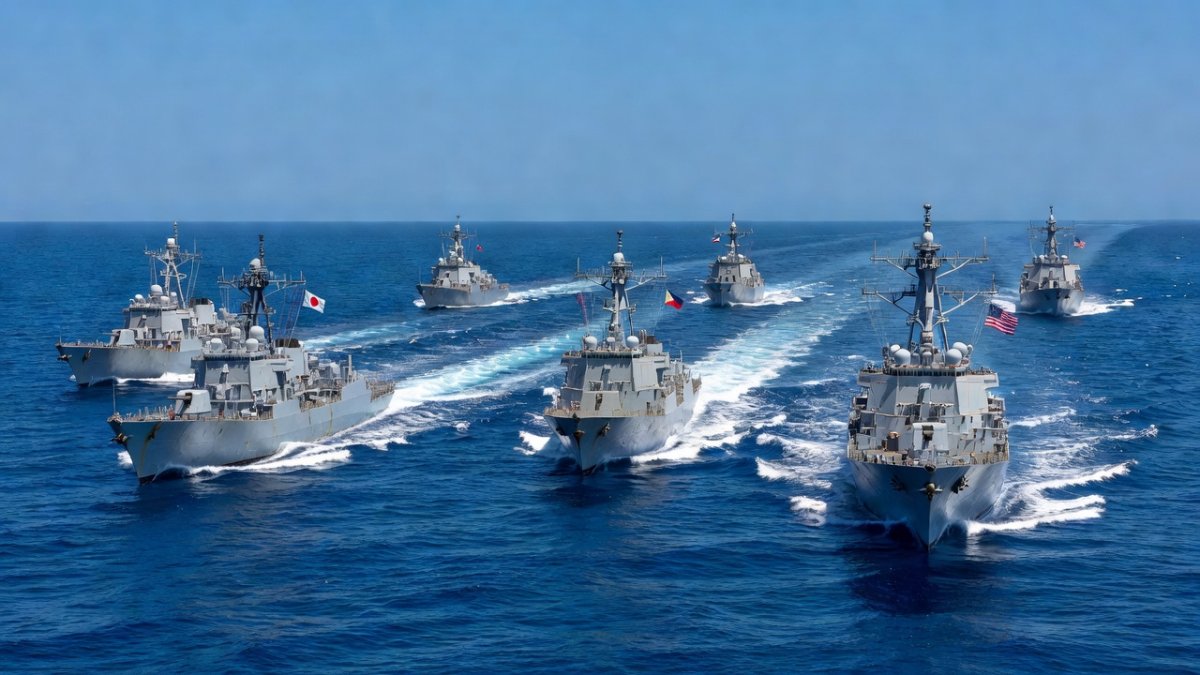
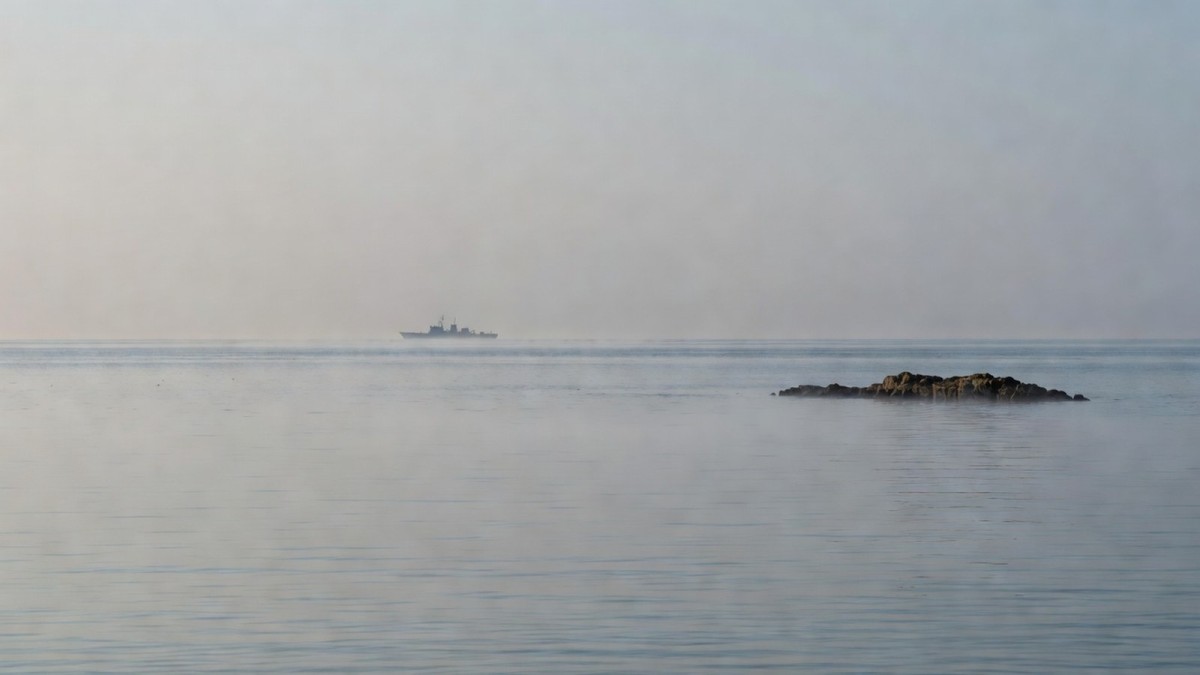
The Japan Maritime Self-Defense Force, the Armed Forces of the Philippines and the United States Navy have completed their 17th Multilateral Maritime Cooperative Activity in the South China Sea, a five-day exercise that concluded on July 25 as diplomatic tensions between Manila and Beijing approach a new inflection point. The drills, held from July 21 within the Philippine exclusive economic zone, involved coordinated naval patrols, communications drills, and at-sea maneuvering exercises designed to enhance interoperability among the three navies. The exercises come amid escalating exchanges between the Philippines and China following a recent encounter between their vessels in the contested waterway.
Tags: Japan, Philippines, United States, South China Sea, military exercises, MMCA, China, maritime security, Indo-Pacific
Trilateral Naval Cooperation Deepens
The 17th MMCA marks the latest iteration of a recurring trilateral naval cooperation framework that has expanded significantly since 2023. The Armed Forces of the Philippines confirmed the participation of Philippine Navy vessels operating alongside a Japan Maritime Self-Defense Force destroyer and a United States Navy ship, though specific hull numbers and unit designations were not disclosed in the official statements. The activities included communication interoperability testing, coordinated station-keeping maneuvers, and simulated maritime domain awareness scenarios — standard elements of the MMCA series that allow participating forces to operate effectively together in the contested waterway. A statement from the AFP emphasized that the exercise demonstrated "a collective commitment to strengthening regional and international cooperation in support of a free and open Indo-Pacific."
Philippines-China Vessel Encounter Fuels Tensions
The trilateral drills unfolded against a backdrop of renewed friction between Manila and Beijing. The Philippines and Chinese governments traded accusations in the days preceding the exercise following what both sides described as a confrontational encounter between their vessels in the South China Sea. The Philippines protested what it characterized as aggressive maneuvers by Chinese coast guard vessels near Second Thomas Shoal, a disputed feature within Manila's exclusive economic zone. China's Foreign Ministry countered by accusing the Philippines of violating Chinese territorial sovereignty and warned against escalating provocations. The exchange of recriminations has become increasingly frequent in 2026 as both sides harden their positions on competing maritime claims in the resource-rich waterway.
China Condemns Trilateral Drills
China's PLA Southern Theater Command issued a statement on Sunday condemning the trilateral exercises, accusing the Philippines of "drawing countries from outside the region into so-called joint patrols" and warning that such activities "disrupt regional peace and stability." The statement reflects Beijing's longstanding position that multilateral security arrangements involving non-claimant states in the South China Sea dispute constitute internationalization of the issue and undermine China's claims. The PLA Southern Theater Command added that Chinese forces were monitoring the exercises and "maintaining a high state of readiness" — standard language that signals Beijing's intent to counter perceived encroachments on its expansive maritime claims under the nine-dash line.
Japan's Strategic Calculus in the South China Sea
For Japan, participation in the MMCA series represents a calibrated expansion of its maritime security role beyond the East China Sea, where Tokyo faces its own territorial disputes with Beijing over the Senkaku Islands. Although Japan is not a claimant in the South China Sea, the Japanese government has consistently framed freedom of navigation and the peaceful resolution of disputes as principles directly relevant to its national security interests. The Japan Maritime Self-Defense Force's involvement in these exercises, conducted under the constitutional framework that permits collective self-defense, reflects Tokyo's broader strategic shift toward deeper security cooperation with like-minded regional partners. Japan's Defense Ministry has increasingly emphasized the indivisibility of maritime security across the East China Sea and South China Sea, arguing that Beijing's assertiveness in one theater signals its posture in the other.
Philippine Defense Posture and the US Alliance
The exercises also underscore the evolving defense posture of the Philippines under the Marcos administration. Manila has deepened its security relationships with both Washington and Tokyo through a series of bilateral and trilateral arrangements, including the Enhanced Defense Cooperation Agreement with the United States and the Reciprocal Access Agreement with Japan signed in 2024. The Philippine government has positioned these partnerships as necessary responses to China's expanding maritime militia and military presence in waters that the Permanent Court of Arbitration in 2016 ruled fell within Manila's exclusive economic zone. China has rejected the arbitration ruling and continues to reject what it calls "interference by external forces" in the South China Sea, maintaining that bilateral negotiations remain the only acceptable framework for resolving disputes.
Implications for Regional Stability
The intensifying cycle of joint exercises and diplomatic recriminations carries risks for broader regional stability in Southeast Asia. While Japan, the United States, and the Philippines frame their enhanced maritime cooperation as defensive and rules-based, Beijing interprets the same activities as encirclement and strategic containment. The absence of direct military-to-military communication channels between China and the trilateral partners in the South China Sea theater increases the risk of unintended escalation — particularly when naval and coast guard vessels operate in close proximity during overlapping patrols and exercises. ASEAN member states, many of which maintain their own competing claims in the South China Sea, have offered measured responses, with some expressing concern that the growing militarization of the dispute complicates diplomatic resolution efforts.
What to Watch For
The 17th MMCA is unlikely to be the last such exercise in 2026. Japan and the Philippines are expected to continue expanding the scope of their bilateral security cooperation, potentially including regular trilateral coast guard exercises and expanded information-sharing arrangements. The Philippines has also signaled interest in securing additional Japan-built naval patrol vessels through Tokyo's Official Security Assistance framework. On the diplomatic front, both Manila and Beijing have indicated willingness to engage in bilateral talks, but the frequency of vessel encounters and the hardening of public positions on both sides suggest that negotiated progress remains distant. For Japan, the trajectory of South China Sea tensions will directly influence debates about defense spending, the pace of the JMSDF's forward deployment posture, and the broader architecture of Tokyo's Indo-Pacific strategy under Prime Minister Shigeru Ishiba's administration.
By Kenji Tanaka, Staff Writer
This article was produced with AI-assisted research and editorial support. Reporting is based on sources cited in the article.
What's Your Reaction?
 Like
0
Like
0
 Dislike
0
Dislike
0
 Love
0
Love
0
 Funny
0
Funny
0
 Wow
0
Wow
0
 Sad
0
Sad
0
 Angry
0
Angry
0

Japan Correspondent at Global1.News. Tokyo-based voice covering Japanese politics, technology, economy, and culture. Tracks the intersection of tradition and innovation in one of the world's most dynamic societies.












Comments (0)