
Russia-North Korea Strategic Alliance Deepens as Third Dialogue Concludes
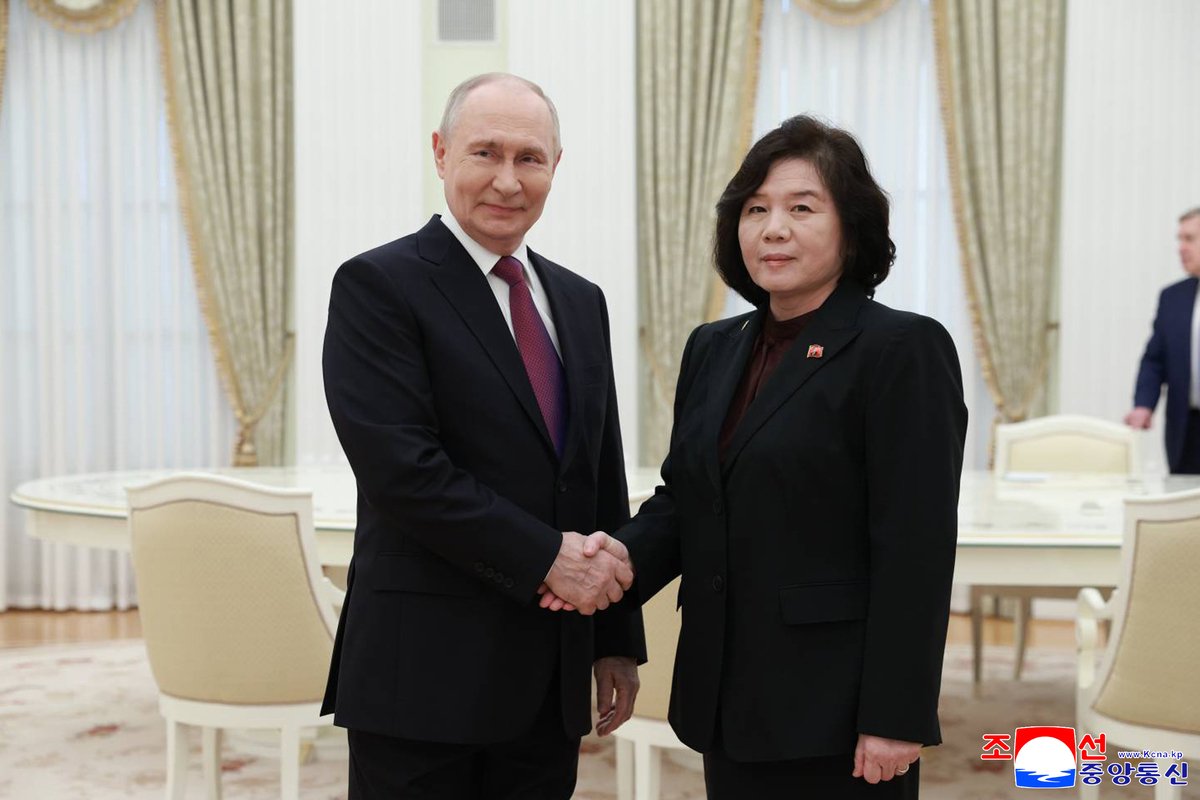
The July 2026 Moscow Meetings North Korean Foreign Minister Choe Son-hui met Russian President Vladimir Putin at the Kremlin on July 19, 2026. The following day, the Third Strategic Dialogue convened in Moscow with Choe and Russian Foreign Minister Sergey Lavrov serving as co-chairs.
The July 2026 Moscow Meetings
North Korean Foreign Minister Choe Son-hui met Russian President Vladimir Putin at the Kremlin on July 19, 2026. The following day, the Third Strategic Dialogue convened in Moscow with Choe and Russian Foreign Minister Sergey Lavrov serving as co-chairs. The talks focused on implementing the June 2024 Treaty on Comprehensive Strategic Partnership signed by Kim Jong-un and Putin. Both sides pledged to accelerate the comprehensive expansion and development of bilateral relations.
Implementation of the 2024 Treaty
The 2024 treaty contains a mutual military assistance clause that now guides practical cooperation. During the Third Strategic Dialogue, Russia stated its opposition to all hostile acts that threaten the status and development rights of the Democratic People's Republic of Korea. Russia also expressed full support for North Korea's efforts to defend its sovereign rights and security interests. North Korea, in turn, voiced unwavering support for Russia's domestic and foreign policies aimed at addressing the root causes of the Ukraine conflict.
Military Technology Dimensions
Professor Lim Eul-chul of the Institute for Far Eastern Studies at Kyungnam University observes that military cooperation forms the core of the relationship. Russia has signaled readiness to transfer military reconnaissance satellites, nuclear-powered submarine technology, and advanced missile technology to North Korea in exchange for munitions supplies. These exchanges build on the treaty framework and reflect concrete reciprocity rather than declaratory statements alone.
North Korea's Contributions to the Ukraine Conflict
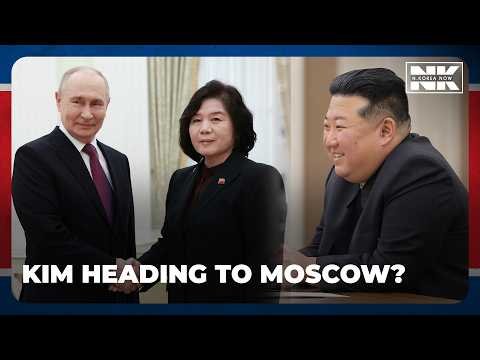
North Korea has already dispatched over 10,000 containers of munitions and thousands of troops to support Russian operations in Ukraine. The Third Strategic Dialogue provided an opportunity to review these deliveries and discuss possible additional military support. Analysts note that Putin may have extended an invitation for Kim Jong-un to visit Russia during the talks, though no date has been confirmed.
Russian Recognition of North Korea's Nuclear Status
Russia has effectively acknowledged North Korea's position against denuclearization by treating Pyongyang as a nuclear power in diplomatic exchanges. This stance marks a departure from earlier multilateral frameworks and strengthens North Korea's negotiating leverage. The shift carries direct implications for Korean Peninsula stability and regional arms control efforts.
Counterbalancing South Korea-NATO Cooperation
The deepening Russia-North Korea partnership is calibrated to offset expanding defense cooperation between South Korea and NATO members. Should South Korea-NATO ties intensify, Russia-North Korea military links are expected to grow correspondingly. Russia can increase South Korea's security burden by maintaining close proximity to North Korea, thereby complicating Seoul's strategic calculations.
Implications for Inter-Korean Relations
These developments directly affect inter-Korean dynamics. South Korean policymakers must now factor Russian technological assistance to the North into defense planning and deterrence calculations. The treaty's mutual assistance provisions raise the possibility of coordinated responses should tensions escalate on the peninsula. Historical precedents of great-power involvement in Korean affairs underscore the risks of renewed division and external leverage.
Strategic Outlook
The strategic dialogue series, which began in Moscow in November 2024 and continued in Wonsan in July 2025, has now reached its third iteration. The pattern demonstrates sustained institutionalization of bilateral coordination. Professor Yang Moo-jin of the University of North Korean Studies notes that North Korea may seek further military support commitments while Russia gains reliable munitions and troop contributions. Both capitals appear committed to using the 2024 treaty as a durable platform for long-term alignment.
By Prof. David Park, Staff Writer
This article was produced with AI-assisted research and editorial support. Reporting is based on sources cited in the article.
What's Your Reaction?
 Like
0
Like
0
 Dislike
0
Dislike
0
 Love
0
Love
0
 Funny
0
Funny
0
 Wow
0
Wow
0
 Sad
0
Sad
0
 Angry
0
Angry
0
East Asia/Technology Correspondent at Global1.News. Seoul-based voice covering Korean politics, technology, business, and culture. Analyzes how technology and geopolitics intersect across East Asia.












Comments (0)