
British Airways Extends Flight Cancellations to Israel Through October
British Airways Extends Flight Cancellations to Israel Through October Tel Aviv, Israel — This week — British Airways has prolonged its flight cancellations to Israel through October 25, 2026, removing all service to Tel Aviv as well as routes connecting through Dubai, Bahrain, and Amman. European Carriers Extend Suspensions Amid Regional Tensions British Airways has prolonged
British Airways Extends Flight Cancellations to Israel Through October
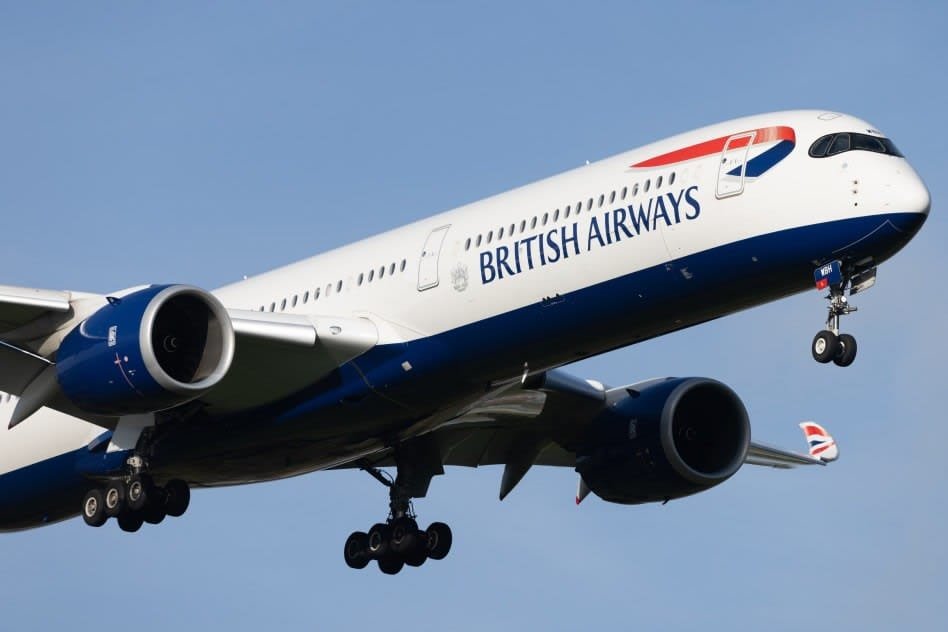
Tel Aviv, Israel — This week — British Airways has prolonged its flight cancellations to Israel through October 25, 2026, removing all service to Tel Aviv as well as routes connecting through Dubai, Bahrain, and Amman.
European Carriers Extend Suspensions Amid Regional Tensions
British Airways has prolonged its flight cancellations to Israel through October 25, 2026, removing all service to Tel Aviv as well as routes connecting through Dubai, Bahrain, and Amman. This decision builds on an earlier suspension tied to the escalation of regional tensions. Air France has similarly halted operations to Ben-Gurion Airport through October 29. These moves reflect a broader pattern among several European carriers responding to security assessments around the Strait of Hormuz and related threats involving Iran.
Israeli travelers and businesses now face extended uncertainty over connections to Europe and beyond. Flights that once linked Tel Aviv directly to London and Paris remain grounded, forcing rerouting through alternative hubs or reliance on carriers still operating.
Abraham Accords Partners Maintain and Expand Links
In contrast, Etihad Airways, the flag carrier of the United Arab Emirates, announced this week an increase to 42 weekly flights between Ben-Gurion Airport and Abu Dhabi's Zayed International Airport beginning June 15, 2026. This schedule equates to six daily flights and positions the Tel Aviv route as Etihad's highest-frequency service worldwide. The expansion underscores how Abraham Accords signatories continue to strengthen direct aviation ties despite the pullback from European operators.
Officials in both countries have framed the growth as evidence of enduring economic and people-to-people connections established since normalization. For Israelis, the additional capacity offers a reliable corridor to the Gulf, supporting trade, tourism, and family visits that European suspensions have disrupted.
Two-Tier Connectivity Shapes Daily Realities
The diverging airline strategies create a clear two-tier system for Israel's international access. European routes face prolonged restrictions, while flights to the UAE and other Abraham Accords partners remain active and are even growing. This split affects everything from business meetings in London to leisure travel to Paris, while Gulf destinations become more accessible.
At Ben-Gurion Airport, operations continue under heightened security protocols managed by the Israel Airports Authority. El Al has stepped up as the primary backup carrier for routes where foreign airlines have withdrawn, absorbing displaced passengers and maintaining essential links to key destinations. Travelers report longer wait times and higher fares on remaining services, yet the airport infrastructure itself functions without interruption.
Security Backdrop and Regional Dynamics
The decisions by British Airways and Air France occur against ongoing tensions with Iran and concerns over maritime security in the Strait of Hormuz. Israeli security officials have noted that airlines weigh insurance costs and risk assessments when determining service levels. European carriers appear more sensitive to these factors than Gulf operators, whose governments maintain different threat evaluations.
This environment highlights how diplomatic alignments influence practical connectivity. While some European governments advise caution, the UAE continues to facilitate movement, reflecting the strategic depth of its relationship with Israel forged through the Abraham Accords.
Effects on Tourism, Business, and the Economy
Tourism operators in Jerusalem, Tel Aviv, and Eilat report reduced bookings from European markets due to the flight suspensions. Hotels and inbound agencies have shifted marketing emphasis toward visitors from the Gulf and Asia who can still reach Israel via Etihad and other active carriers. Business delegations traveling between Tel Aviv and European financial centers now rely more heavily on El Al or indirect routings, raising costs and extending travel times.
The economy absorbs these changes through a combination of resilience and adaptation. High-tech firms maintain video conferences where physical travel has become cumbersome, while exporters of goods face fewer disruptions since cargo operations remain largely unaffected. Daily life for ordinary Israelis includes monitoring airline announcements and adjusting vacation plans, yet the continued operation of Ben-Gurion and the expansion of Gulf routes prevent total isolation.
Looking Ahead for Israeli Connectivity
The current pattern suggests that Israel's aviation map will remain divided for the foreseeable period. European carriers have signaled no immediate return, while Etihad's increased frequency demonstrates that certain regional partners view the connection as strategically important. El Al's expanded role provides a domestic safety net, ensuring that essential links to the outside world do not vanish entirely.
Israeli policymakers and industry leaders continue to track these developments closely, recognizing that air connectivity directly influences both security perceptions and economic performance. The contrast between suspended European services and growing Gulf routes illustrates how diplomatic choices translate into tangible effects on the ground in Tel Aviv, Jerusalem, and across the country.
By Hannah Berg, Staff WriterThis article was produced with AI-assisted research and editorial support. Reporting is based on sources cited in the article.
What's Your Reaction?
 Like
0
Like
0
 Dislike
0
Dislike
0
 Love
0
Love
0
 Funny
0
Funny
0
 Wow
0
Wow
0
 Sad
0
Sad
0
 Angry
0
Angry
0

Israel Correspondent at Global1.News. Based in Tel Aviv, covering Israeli politics, security, technology, and society. Provides balanced, deeply-sourced reporting on one of the most closely-watched regions in the world.















Comments (0)