
British Airways Extends Flight Suspensions Across Key Middle East Routes
British Airways Extends Flight Suspensions Across Key Middle East Routes British Airways announced earlier this week that it is extending the suspension of flights to most Middle East destinations through the end of the summer flight schedule, at least until October 25, 2026. The decision affects Tel Aviv along with Dubai, Bahrain, and Amman. The airline cited regional security
British Airways Extends Flight Suspensions Across Key Middle East Routes
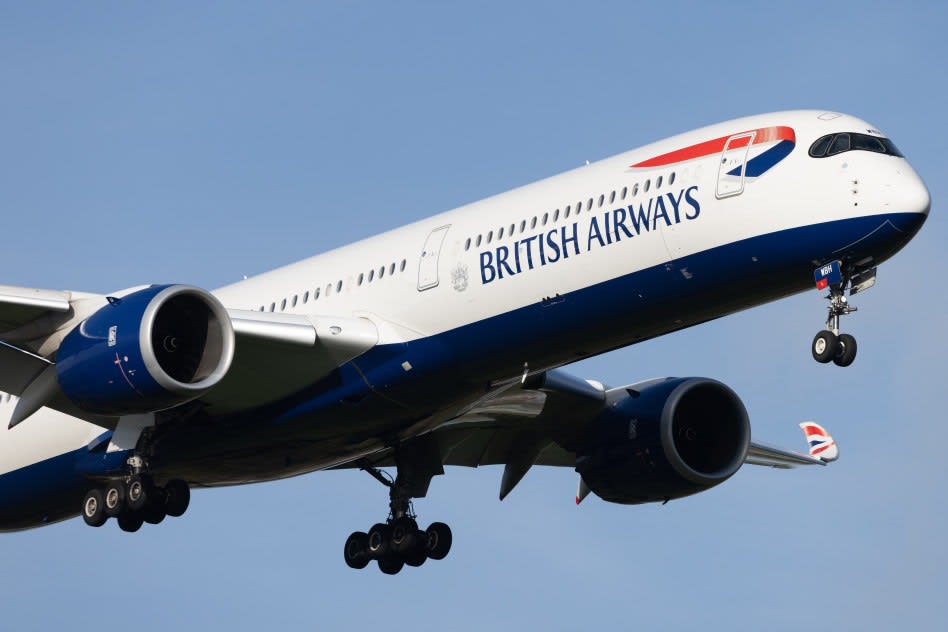
British Airways announced earlier this week that it is extending the suspension of flights to most Middle East destinations through the end of the summer flight schedule, at least until October 25, 2026. The decision affects Tel Aviv along with Dubai, Bahrain, and Amman. The airline cited regional security uncertainty and difficulty reaching a stable arrangement with Iran as the reasons for continuing to freeze these routes even during the busiest travel season.
Selective Resumption Plans Highlight Uneven Regional Recovery
While maintaining the broad suspension, British Airways plans to resume flights to Gulf destinations Doha in Qatar and Riyadh in Saudi Arabia in August. Qatar Airways holds a 25 percent stake in British Airways parent company International Airlines Group, which also owns Iberia, Aer Lingus, and Vueling. This selective approach leaves Tel Aviv among the routes remaining grounded for an extended period.
Multiple Carriers Follow Similar Path of Extended Cancellations
British Airways is not the only airline pulling back from the Middle East. In recent weeks several major international carriers have announced extensions to their flight cancellations in the region. Delta Air Lines will not resume the New York-Tel Aviv route before September 6. The Atlanta route remains suspended until December 18, and the launch of the new Boston-Tel Aviv route has been postponed with no new date set.
American Airlines extended the cancellation of flights to Tel Aviv and Doha until January 2027. When the airline returns to Israel it will have been absent from the local market for more than three years. United Airlines currently plans to resume flights to Tel Aviv and Dubai on September 7 though the date may change.
Etihad Airways Stands Apart With Major Service Increase to Tel Aviv
Alongside the wave of cancellations there is one exception. Etihad Airways based in Abu Dhabi and currently operating two daily flights to Israel plans to significantly increase its operations. Starting June 15 the airline is expected to operate up to six daily flights between Abu Dhabi and Tel Aviv. This expansion will bring the total to 42 weekly flights on the Tel Aviv route making the TLV-AUH connection the most frequently traveled route in Etihad network.
The move comes as Israeli demand for flights to Asia surges. Over 100,000 passengers flew between Tel Aviv and Abu Dhabi during the first three months representing a 30 percent increase compared to the same period last year. Roughly 70 percent of passengers used Abu Dhabi as a stopover for flights heading further east to Asia. Etihad announced prices for some high-demand flights with a round-trip ticket to Bangkok Thailand starting at 974 dollars without a checked bag and 1,014 dollars with a checked bag below the average market price of 1,200 dollars.
European Carriers Signal Gradual Return Following Safety Update
Lufthansa Group issued a statement announcing it would resume flights to Israel starting in June. Wizz Air said it would resume service as early as May 28. Both announcements followed an update from the European Aviation Safety Agency which eased the agency recommendations regarding flights to Israel after the ceasefire between the United States and Iran held.
Implications for Israeli Connectivity and Regional Dynamics
The pattern of extended suspensions by British Airways Delta and American Airlines leaves Tel Aviv facing prolonged limited service from several major carriers. At the same time the Etihad expansion and the planned returns by Lufthansa and Wizz Air illustrate differing assessments of conditions at Ben-Gurion Airport. These developments occur against the backdrop of security concerns tied to arrangements with Iran and broader regional uncertainty affecting multiple routes including those to Dubai Bahrain and Amman.
Israeli travelers seeking connections to Asia may increasingly rely on the expanded Abu Dhabi hub while routes to Europe show signs of selective recovery. The contrast between prolonged absences by some carriers and increased operations by others underscores the varied responses to the same security environment across the Middle East network.
By Hannah Berg, Staff WriterThis article was produced with AI-assisted research and editorial support. Reporting is based on sources cited in the article.
What's Your Reaction?
 Like
0
Like
0
 Dislike
0
Dislike
0
 Love
0
Love
0
 Funny
0
Funny
0
 Wow
0
Wow
0
 Sad
0
Sad
0
 Angry
0
Angry
0

Israel Correspondent at Global1.News. Based in Tel Aviv, covering Israeli politics, security, technology, and society. Provides balanced, deeply-sourced reporting on one of the most closely-watched regions in the world.















Comments (0)