
Gulf of Paria widens as Trinidad pours oil on troubled Venezuelan waters
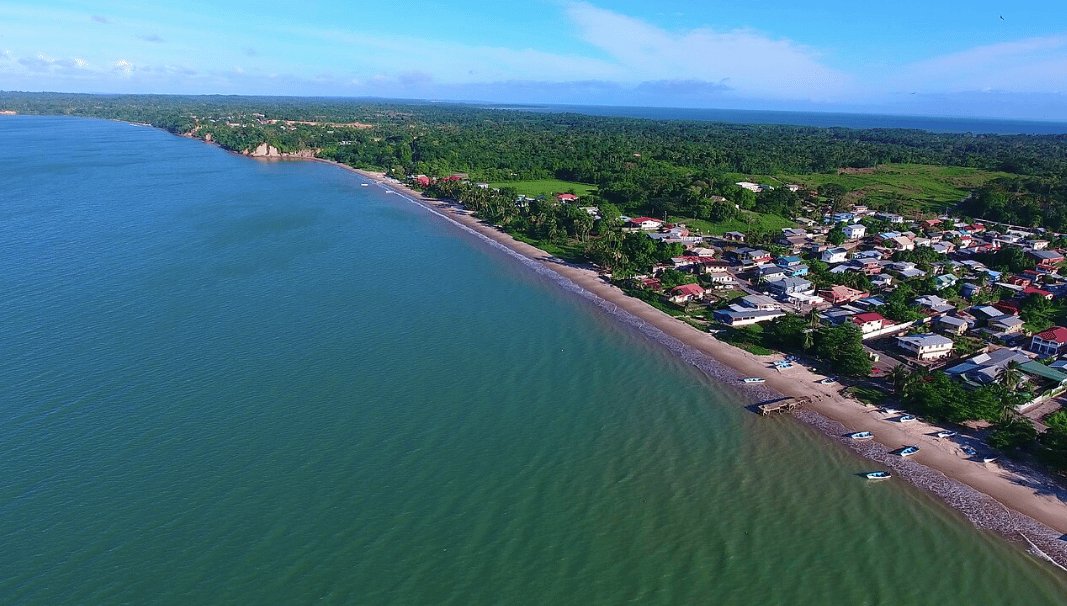
Gulf of Paria widens as Trinidad pours oil on troubled Venezuelan waters The Discovery at Main Field The oil spill came to light on 1 May when Heritage Petroleum Company Limited detected hydrocarbons at its offshore Main Field operation in the Gulf of Paria at 7:25 a.m. The company promptly informed Trinidad and Tobago's Ministry of Energy and Energy Industries, setting in moti
The Discovery at Main Field
The oil spill came to light on 1 May when Heritage Petroleum Company Limited detected hydrocarbons at its offshore Main Field operation in the Gulf of Paria at 7:25 a.m. The company promptly informed Trinidad and Tobago's Ministry of Energy and Energy Industries, setting in motion internal assessments of the leak's potential reach. Trinidad and Tobago estimates that roughly 10 barrels escaped, though this figure remains contested by Venezuelan authorities who view the volume as understated.
Heritage Petroleum's early notification to the ministry allowed officials to run spill trajectory modelling. Those calculations indicated that untreated hydrocarbons could drift across the maritime boundary into Venezuelan waters. In response, chemical dispersants were applied on 3 May, approximately 48 hours after the initial detection. This measured approach reflected standard operational protocols yet left the incident shielded from public view until external pressure mounted.
The Gulf of Paria has long served as a vital artery for Trinidad and Tobago's energy sector, supporting offshore production that underpins national revenue amid fluctuating global oil prices. Fishing communities along the southern coast also depend on its waters for livelihoods, making any pollution event a direct threat to food security and local economies already strained by regional inflation. The delayed public disclosure has raised questions about transparency in an industry central to Caribbean stability.
Venezuela Raises the Alarm
Venezuela formally demanded information and compensation from Trinidad and Tobago, asserting that the spill originated in Trinidadian waters and posed serious risks to shared Gulf of Paria ecosystems. Caracas cited satellite imagery, including images from 2 May, that revealed a significant oil slick extending toward its coastline. The claim has intensified diplomatic friction between the two neighbours who share this ecologically sensitive body of water.
President Maduro's administration, with the leader now in US custody, adopted a firm stance that left little room for measured dialogue. Venezuelan officials portrayed the incident as the latest example of environmental aggression from a neighbour already viewed with suspicion. This position draws on longstanding tensions over maritime boundaries and resource management in the region.
CARICOM member states have watched the exchange closely, recognising that unresolved disputes of this nature can undermine collective efforts toward sustainable development. Small island developing states across the Caribbean face similar vulnerabilities to pollution incidents, particularly as climate change amplifies the frequency of extreme weather that can spread contaminants further afield. The Venezuelan demand underscores the need for clearer accountability mechanisms within the energy sector.
Trinidad and Tobago's Internal Response
Trinidad and Tobago's trajectory modelling confirmed the possibility of cross-border movement, prompting the deployment of dispersants. Yet the government and Heritage Petroleum maintained silence on the matter until Venezuela brought it to international attention. This approach has drawn criticism from within the country, including from former Energy Minister Stuart Young.
Young called for an immediate investigation into the suppression of information about the spill since 1 May. His remarks highlight concerns over governance in the energy sector, where public trust is essential for managing operations that affect both national finances and neighbouring relations. The absence of early disclosure contrasts with the prompt internal notifications that occurred.
Port of Spain now faces pressure to strengthen reporting standards. The incident has exposed gaps in how offshore operators communicate with both domestic authorities and regional partners. For communities reliant on the Gulf of Paria, such lapses carry tangible consequences for marine health and the tourism sector's post-pandemic recovery efforts across the Caribbean.
Diplomatic Tensions and Historical Context
The current row builds on a complex history of Trinidad-Venezuela relations centred on the Gulf of Paria. Shared waters have facilitated energy cooperation in the past, yet they have also been sites of friction over jurisdiction and environmental responsibility. Venezuela's reliance on satellite evidence rather than direct notification from Port of Spain has further eroded confidence in existing channels.
CARICOM diplomacy emphasises regional cooperation on issues such as disaster preparedness and resource management. This spill illustrates how a single incident can strain those ties, particularly when one party perceives inadequate transparency. Neighbouring countries including Jamaica, Barbados and Guyana monitor such developments for lessons applicable to their own maritime boundaries.
The Maduro administration's assertive posture reflects broader geopolitical shifts affecting Caribbean nations. With energy prices influencing cost-of-living pressures throughout the region, any disruption to production or cross-border trust carries wider economic ripple effects. Trinidad and Tobago must navigate these dynamics while safeguarding its reputation as a reliable energy partner.
Impact on the Shared Ecosystem and Communities
The Gulf of Paria supports diverse marine life and serves as a critical habitat for species important to both Trinidadian and Venezuelan fishing fleets. An oil spill, even one estimated at 10 barrels by Trinidad and Tobago, risks long-term damage to mangroves, seabeds and water quality that sustain local livelihoods. Fishing communities on both sides of the border stand to bear the brunt of any ecological decline.
Trinidad and Tobago's energy sector, anchored by companies such as Heritage Petroleum, contributes significantly to national income but operates in an environment where accidents can quickly affect neighbours. The application of dispersants on 3 May aimed to mitigate spread, yet questions persist about the adequacy of response timelines when modelling already flagged cross-border risks.
Climate change compounds these vulnerabilities for small island developing states. Rising sea levels and more intense storms increase the likelihood that pollutants will travel farther, threatening biodiversity and the cultural practices tied to coastal resources. Regional cooperation through bodies such as CARICOM offers one avenue for addressing these shared challenges before they escalate further.
Calls for Better Cross-Border Frameworks
The diplomatic exchange has highlighted the absence of a robust cross-border incident reporting framework between Trinidad and Tobago and Venezuela. Such mechanisms would allow for timely information sharing, reducing the scope for misunderstandings that widen existing gulfs between neighbours. Building these structures serves both environmental protection and the maintenance of regional stability.
Stuart Young's call for an investigation into information suppression points to domestic reforms needed alongside international dialogue. Transparent handling of future incidents could help restore confidence among Caribbean partners and protect the Gulf of Paria ecosystem that supports livelihoods on both sides of the maritime boundary.
Trinidad and Tobago continues to balance its energy interests with the realities of shared waters. The May spill did not create the underlying tensions, yet it has made constructive engagement more urgent. A commitment to clearer protocols may yet narrow the divide and safeguard the resources that sustain communities across the Caribbean.
By Sharon Sahatoo, Staff WriterThis article was produced with AI-assisted research and editorial support. Reporting is based on sources cited in the article.
What's Your Reaction?
 Like
0
Like
0
 Dislike
0
Dislike
0
 Love
0
Love
0
 Funny
0
Funny
0
 Wow
0
Wow
0
 Sad
0
Sad
0
 Angry
0
Angry
0

Caribbean Correspondent at Global1.News. Based in Port of Spain, Trinidad, covering Caribbean politics, economy, energy, climate, and culture. Amplifying the voices and stories of the Caribbean region.









Comments (0)