
Russian Regions Enforce Odd-Even Gasoline Rationing as Drone Strikes Trigger Fuel Shortages
The nationwide fuel shortages gripping Russia have forced at least six regions to adopt an unusual odd-even gasoline rationing system based on vehicle license plates, a direct consequence of sustained Ukrainian drone strikes targeting oil refineries and the resulting disruptions to domestic supply chains. This measure, first introduced last month in the central Oryol region, hi
Russian Regions Enforce Odd-Even Gasoline Rationing as Drone Strikes Trigger Fuel Shortages
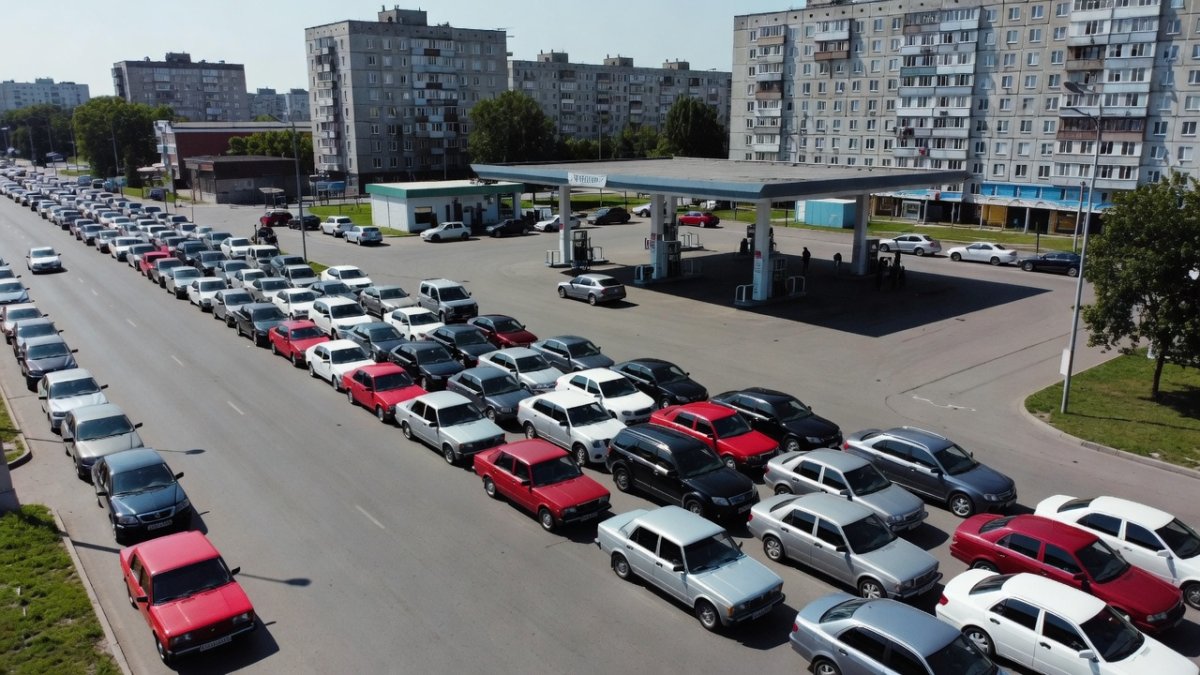
Moscow, Russia – This week — At least six Russian regions have rolled out an odd-even gasoline purchase plan as long lines of motorists continue to inundate gas stations amid nationwide fuel shortages caused by Ukrainian drone attacks on oil refineries. The central Oryol region was the first to introduce the license plate-based rationing scheme last month to cope with the growing fuel crunch. Drivers with license plates starting with an odd digit are allowed to buy gasoline on odd-numbered days of the month. Those with license plates starting with an even digit — with zero considered an even number — are restricted to even-numbered days.
The Rollout of License Plate-Based Rationing
The odd-even system represents a targeted administrative response to acute supply constraints that have left many stations depleted. In practice, this means motorists must plan their refueling around the parity of their license plate digits and the calendar date, adding a layer of logistical complexity to routine travel. The approach draws from similar schemes used in other countries during past crises but marks a notable escalation in Russia's current energy management strategy.
Implementation requires coordination between regional authorities and fuel retailers to enforce the rules at the pump. Station operators now verify plate numbers before dispensing fuel, which has slowed service and extended wait times further. This procedural shift underscores how the shortages have moved beyond temporary inconveniences into structured rationing that affects planning for work commutes, deliveries, and personal errands across affected areas.
Regional governments have communicated the rules through official channels to minimize confusion, though reports suggest varying levels of compliance and enforcement. The measure aims to distribute limited supplies more evenly rather than allowing first-come access that could favor certain groups. Over time, such systems can influence vehicle usage patterns and encourage alternatives like public transport where available.
Regions Adopting the Measures
The central Oryol region pioneered the scheme last month, setting the template for others facing similar pressures. On Thursday, the Nizhny Novgorod region, the republic of Mordovia, and the city of Astrakhan adopted identical odd-even rules, according to a tally by the exiled news outlet Meduza. The Pskov region joined the system on Friday, followed by the Lipetsk and Kirov regions, where the restrictions take effect on Saturday.
Additional areas including the Ivanovo, Tambov, and Yaroslavl regions are also weighing similar rules as the fuel crunch persists. This geographic spread covers central and western parts of the country, indicating the shortages are not confined to border zones but have reached deeper into the interior. Each new adopter cites the need to manage queues and prevent hoarding at remaining operational stations.
The staggered rollout allows officials to monitor outcomes in early implementers before expanding further. In each case, the focus remains on stabilizing local markets without broader national mandates yet. This patchwork approach reflects the decentralized nature of responding to a crisis that varies in intensity by locality.
Origins of the Fuel Crisis: Drone Strikes on Refineries
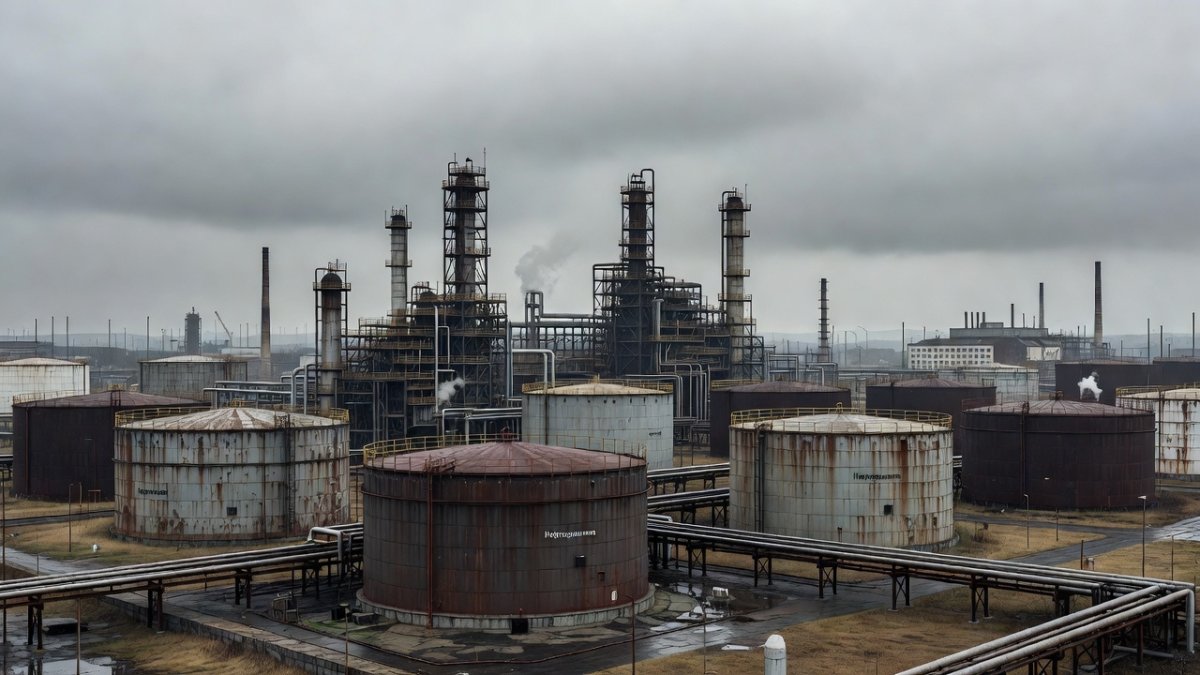
Since the spring, Ukraine has targeted most of Russia's oil refineries with drones as it seeks to increase the costs of the Kremlin's full-scale invasion and disrupt daily life for Russians. These strikes have halted or scaled back production at facilities that account for a large share of Russia's gasoline output. The resulting drop in domestic refining capacity has directly translated into fuel shortages across the country and rising prices at the pump.
The attacks form part of a sustained campaign against energy infrastructure, aiming to create economic pressure points. Reduced output from key plants forces reliance on existing stockpiles, which deplete faster under continued demand. This dynamic has compounded over recent months, pushing multiple regions toward rationing as a stopgap.
Industry observers note that the scale of affected capacity has made quick recovery difficult, even as some facilities attempt partial restarts. The nationwide ripple effects demonstrate how concentrated strikes on refining hubs can cascade into widespread distribution challenges for gasoline and related products.
Kremlin's Policy Responses and Official Acknowledgments
In June, President Vladimir Putin acknowledged that Russia is facing a "certain shortage" of fuel due to Ukrainian attacks. Russia has introduced temporary export bans for diesel, gasoline, and jet fuel to address the crisis. It has also started importing gasoline from abroad, including from Belarus and India, to supplement domestic shortfalls.
These steps represent a combination of export controls to retain supplies internally and efforts to source replacements externally. The bans limit outflows that might otherwise exacerbate local deficits, while imports provide a bridge until refining capacity rebounds. Such measures illustrate the Kremlin's focus on stabilizing the domestic market amid external pressures.
Industry sources told Reuters that they expect the supply problems in Russia's domestic fuel market to improve later in July as refineries resume operations and fuel imports increase. However, further Ukrainian attacks on energy infrastructure could exacerbate problems, potentially delaying any relief and necessitating extended rationing in more regions.
Effects on Daily Life for Russian Citizens
Ordinary Russians in the affected regions now navigate added planning around fuel availability, with the odd-even rules dictating when they can refuel based on plate parity. Long lines at stations have become commonplace, consuming time that could otherwise be spent on work or family obligations. This disrupts commuting patterns, particularly for those in rural or semi-urban areas where alternatives are limited.
The rationing introduces uncertainty into logistics for small businesses and delivery services, which rely on consistent access to gasoline. Families may delay non-essential trips, and some drivers report conserving fuel by combining errands or reducing speeds. Over repeated weeks, these adjustments accumulate into broader lifestyle changes that affect economic participation and personal mobility.
Public sentiment reflects frustration with the added bureaucracy at pumps, though many accept the measures as necessary given the underlying supply issues. Regional variations in enforcement can lead to perceptions of uneven treatment, prompting some to seek fuel in neighboring areas without restrictions where possible.
Implications for Russia's Energy Sector and Economy
The energy sector faces ongoing pressure from reduced refining throughput, prompting a shift toward imports that carry their own costs and dependencies. Companies such as Rosneft, Lukoil, and Gazpromneft operate within this constrained environment, balancing domestic obligations against the temporary export limits. The influx of fuel from Belarus and India signals a pragmatic adaptation but also highlights vulnerabilities in self-sufficiency.
Broader economic activity tied to transportation experiences friction from higher prices and restricted access. This could indicate mounting challenges in maintaining pre-crisis output levels across industries reliant on affordable fuel. The expectation of improvement later in July hinges on successful refinery restarts, yet any renewed strikes could prolong the imbalance.
Policy tools like export bans serve as immediate stabilizers but may influence long-term trade dynamics if extended. The overall situation points to a sector adapting through a mix of administrative controls and external sourcing rather than rapid internal recovery alone.
Signals of the War's Broader Economic Toll on Russia
The spread of rationing across Oryol, Nizhny Novgorod, Mordovia, Astrakhan, Pskov, Lipetsk, and Kirov regions, with others like Ivanovo, Tambov, and Yaroslavl considering it, signals how the conflict's reach extends into civilian economic routines. This development could indicate that efforts to shield the home front from wartime costs are encountering limits as infrastructure targeting intensifies.
By combining domestic restrictions with import reliance, authorities aim to mitigate immediate pain points, yet the persistence of shortages suggests deeper structural strains. The acknowledgment by President Vladimir Putin of a "certain shortage" frames the issue publicly while underscoring the connection to external attacks on refineries.
Ultimately, these measures reflect an economy absorbing incremental burdens that affect mobility, pricing, and supply reliability. Continued monitoring of refinery operations and import flows will determine whether the situation eases or requires further regional interventions in the coming period.
By Irina Volkov, Staff WriterThis article was produced with AI-assisted research and editorial support. Reporting is based on sources cited in the article.
What's Your Reaction?
 Like
0
Like
0
 Dislike
0
Dislike
0
 Love
0
Love
0
 Funny
0
Funny
0
 Wow
0
Wow
0
 Sad
0
Sad
0
 Angry
0
Angry
0

Russia/Eastern Europe Correspondent at Global1.News. Covering Russian politics, energy, security, and the shifting dynamics of the post-Soviet space. Provides clear-eyed analysis on one of the world's most opaque regions.









Comments (0)