
Bolivia Declares State of Emergency Over Land Protests
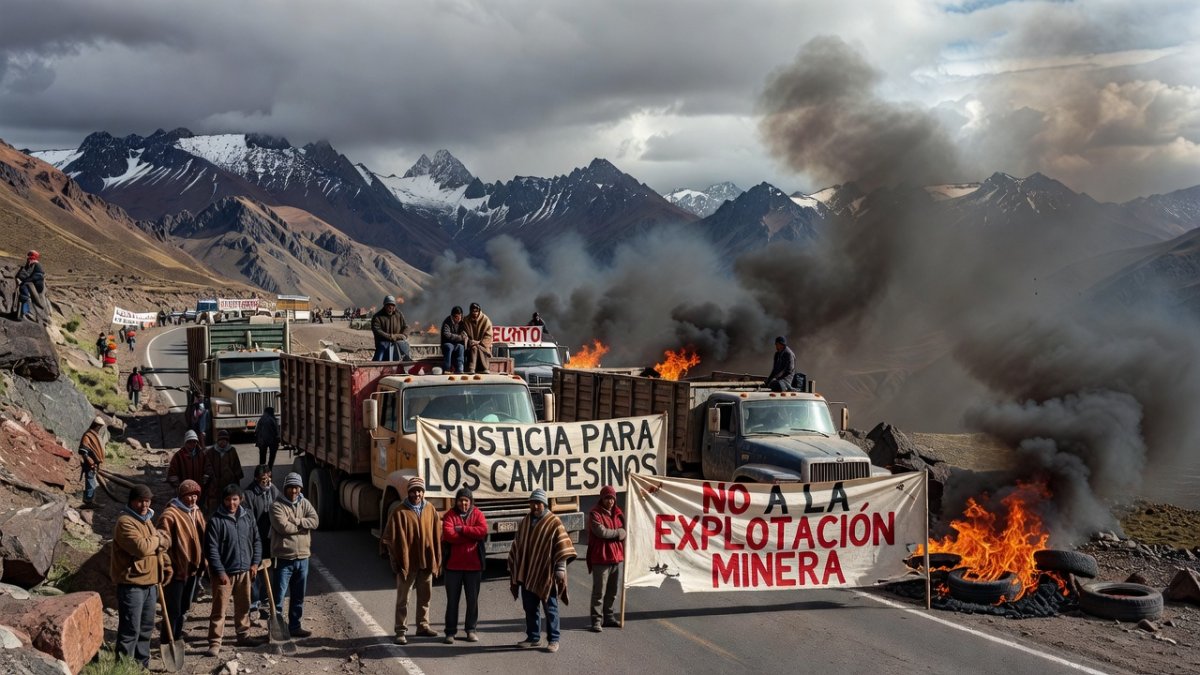
Bolivia's State of Emergency and Its Immediate Implications Bolivian President Rodrigo Paz declared a state of emergency following weeks of protests that began at the end of April and demanded his resignation. This measure grants expanded authority to clear roadblocks erected by demonstrators, which have led to shortages of basic goods and halted movement across significant por
Bolivia's State of Emergency and Its Immediate Implications
Bolivian President Rodrigo Paz declared a state of emergency following weeks of protests that began at the end of April and demanded his resignation. This measure grants expanded authority to clear roadblocks erected by demonstrators, which have led to shortages of basic goods and halted movement across significant portions of the country. Under Bolivian law, Congress must approve or reject the declaration within 72 hours, creating a narrow window for legislative review of the expanded powers.
The president stated that the emergency would free the country's roads and restore normalcy amid the unrest. Police and military personnel have already been observed in main squares, signaling early deployment of security forces. Several deaths and hundreds of arrests have occurred since the protests intensified, underscoring the human cost of the ongoing crisis.
Paz has described the demonstrations as an organized effort to destabilize the government, while protest leaders from miners, farmers, and indigenous groups maintain their focus on policy reversals. The declaration follows a recent congressional bill that simplified procedures for such emergencies and the deployment of soldiers. Hours before the announcement, Paz revealed a deal with the Bolivian Workers' Confederation, yet some indigenous organizations have vowed to continue blockades.
The Land Reform Controversy and Pressures on Forests and the Amazon
Protests originated from a land reform proposal advanced by President Paz that critics claimed would facilitate acquisitions of small properties by large landowners. Although the president later scrapped the measure, the underlying grievances have persisted and drawn in additional sectors. In Bolivia, such reforms carry direct consequences for land use patterns near the Amazon basin, where smallholder holdings often serve as buffers against expansive agricultural conversion.
The Ministerio de Medio Ambiente in Bolivia has historically monitored how shifts in property laws influence forest cover in departments bordering the Amazon. Large-scale acquisitions can accelerate clearing for soy and cattle operations, mirroring patterns observed in neighboring regions. Indigenous communities have highlighted that weakened protections for smaller plots undermine traditional stewardship practices essential to maintaining ecological balance.
Environmental analysts note that even after the reform's withdrawal, the momentum of protests reflects deeper concerns over resource access in rural zones. Roadblocks have disrupted monitoring efforts by government agencies, delaying assessments of deforestation risks in sensitive areas. Continued unrest could hinder Bolivia's ability to coordinate with regional bodies on Amazon conservation initiatives that require stable local governance.
Fuel Subsidy Cuts and Burdens on Indigenous and Rural Communities
Demonstrators have called for the reinstatement of fuel subsidies alongside the rollback of austerity measures introduced under the current administration. These subsidies have long supported transportation and agricultural activities in remote indigenous territories and rural municipalities across Bolivia. Their reduction has raised costs for daily mobility and production, particularly affecting communities reliant on diesel for generators and farm equipment.
Indigenous groups in the highlands and lowland Amazonian areas report that higher fuel prices compound existing challenges from limited infrastructure. Farmers transporting goods to markets face increased expenses that erode already thin margins, while families in isolated settlements struggle with elevated prices for essential supplies. The protests that began at the end of April have amplified these economic pressures into broader political demands.
Paz's government has framed the subsidy adjustments as necessary steps to attract private investment and stabilize public finances. However, rural organizations argue that the changes disproportionately impact populations least equipped to absorb sudden cost increases. Negotiations through the newly proposed council have yet to address specific relief mechanisms for these communities amid the state of emergency.
Indigenous Rights and Bolivia's Natural Resource Sovereignty
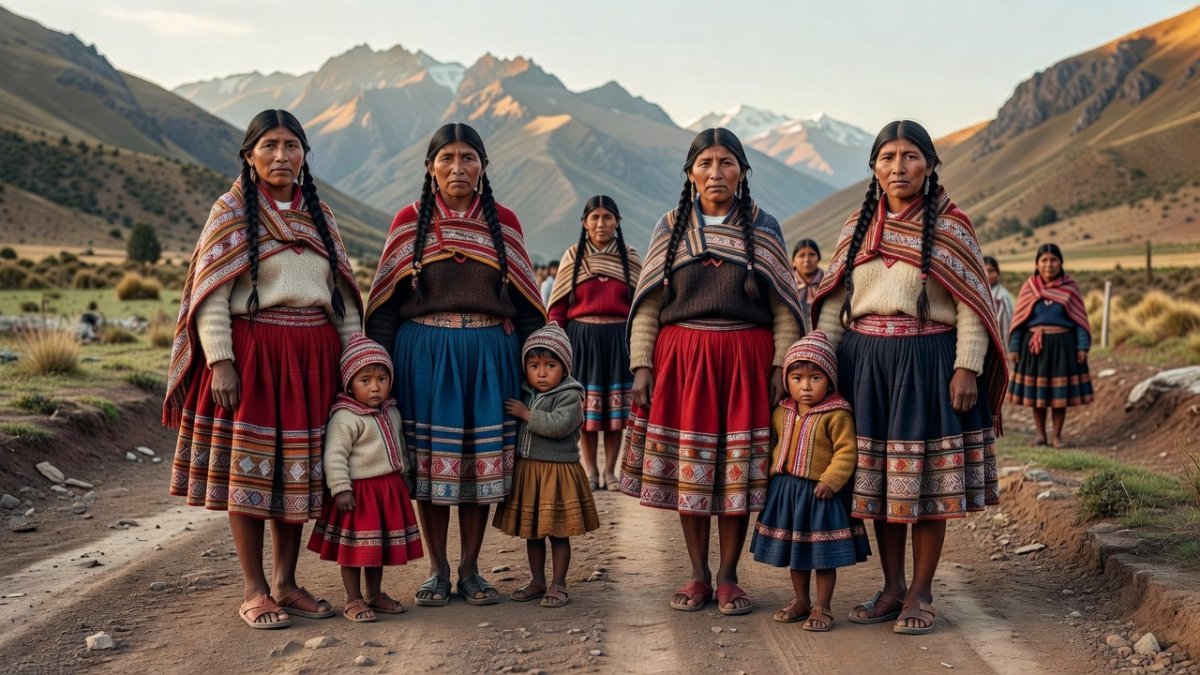
Indigenous organizations leading parts of the protests emphasize the need to preserve oversight of natural resources under Bolivia's constitutional framework. Proposed constitutional changes have drawn criticism for potentially reducing regulatory checks on extraction activities in mining and energy sectors. These groups contend that diminished oversight could erode collective rights established through prior legal recognitions of indigenous territorial authority.
The Bolivian Workers' Confederation reached a preliminary agreement with the government, yet several indigenous factions have rejected participation and maintained roadblocks. Evo Morales, the former president, has denied involvement in orchestrating the unrest despite accusations from Paz. This dynamic highlights ongoing tensions between national economic opening and community-level control over resources.
Miners and farmers within protest coalitions have linked resource sovereignty to cultural survival in territories where extractive projects intersect with ancestral lands. The state of emergency risks limiting avenues for dialogue on these issues, as security measures prioritize road clearance over sustained consultation. Regional observers note that Bolivia's approach could influence how other Andean nations balance investment incentives with indigenous governance structures.
Connections to Brazil and Regional Climate and Resource Politics
Bolivia's crisis carries implications for Brazil, where agencies such as IBAMA and the Ministerio do Meio Ambiente monitor cross-border environmental pressures in the Amazon. Roadblocks and supply disruptions in Bolivia affect trade corridors that link Bolivian agricultural zones to Brazilian ports and processing facilities. Policy shifts in La Paz regarding land and fuel can influence deforestation rates along the shared frontier.
Regional climate discussions often reference how austerity measures in one country ripple into neighboring economies dependent on stable resource flows. Brazilian officials have tracked similar subsidy debates in Bolivia as indicators of broader fiscal pressures affecting Amazonian communities on both sides of the border. Coordination between the two nations on forest protection remains essential, yet political instability in Bolivia may delay joint initiatives.
Latin American resource politics increasingly intersect with indigenous mobilization across borders, as groups share concerns over constitutional reforms and extraction policies. The current unrest in Bolivia echoes patterns seen in other nations where center-right governments pursue investment liberalization amid resistance from rural sectors. Sustained protests could shape upcoming regional forums on sustainable development that involve both Brazilian and Bolivian representatives.
Environmental Justice Analysis in the Context of Ongoing Unrest
The convergence of land reform debates, fuel subsidy reductions, and emergency powers raises questions about equitable distribution of environmental burdens in Bolivia. Indigenous and rural populations, often located in ecologically sensitive zones, face compounded effects from policy changes that prioritize macroeconomic adjustments. These dynamics illustrate how national security measures can intersect with long-standing disparities in access to decision-making processes.
Analysis of the protests reveals that environmental justice concerns extend beyond immediate economic grievances to questions of procedural fairness in resource governance. Communities have cited limited consultation on reforms as a core issue, echoing calls for stronger mechanisms under the Ministerio de Medio Ambiente. The state of emergency may further constrain public participation at a moment when inclusive approaches are most needed.
Regional linkages with Brazil underscore the transnational nature of these justice challenges, as Amazonian ecosystems do not adhere to national boundaries. Effective responses require attention to how austerity and emergency declarations affect the most vulnerable groups while advancing conservation goals. Continued monitoring by civil society and government agencies will determine whether negotiated solutions can address both stability and equity in Bolivia's resource landscape.
By Elena Vasquez, Staff WriterThis article was produced with AI-assisted research and editorial support. Reporting is based on sources cited in the article.
What's Your Reaction?
 Like
0
Like
0
 Dislike
0
Dislike
0
 Love
0
Love
0
 Funny
0
Funny
0
 Wow
0
Wow
0
 Sad
0
Sad
0
 Angry
0
Angry
0

Latin America Correspondent at Global1.News. Based in Mexico City, covering politics, economics, energy, and culture across the region. Brings an on-the-ground perspective to stories spanning from the Rio Grande to Patagonia.













Comments (0)