
Data Analytics Track Japanese Flying Squid in Tottori
Japanese researchers in Tottori Prefecture are combining traditional fishing knowledge with data analytics and artificial intelligence to track declining populations of Japanese flying squid, as climate-driven shifts in the Sea of Japan reshape one of the country's most important fisheries. The initiative reflects Japan's broader push to modernise its fishing industry through t
Japanese researchers in Tottori Prefecture are combining traditional fishing knowledge with data analytics and artificial intelligence to track declining populations of Japanese flying squid, as climate-driven shifts in the Sea of Japan reshape one of the country's most important fisheries. The initiative reflects Japan's broader push to modernise its fishing industry through the government's Smart Fisheries programme and Society 5.0 digital transformation agenda.
Declining Squid Catches in Tottori
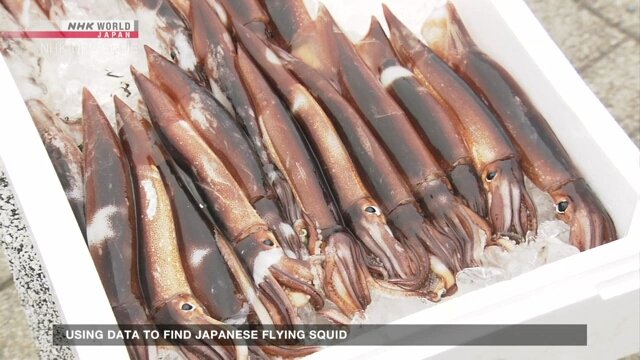
NHK WORLD-JAPAN reported on July 7, 2026, that catches of Japanese flying squid have declined off western Japan's Tottori Prefecture. The species, Todarodes pacificus, remains a key resource in the Northwest Pacific, yet recent scientific studies document significant reductions in both Sea of Japan and Pacific landings over the past decade.
Tottori Prefecture borders traditional squid fishing grounds in the Sea of Japan. Local fleets have reported lower volumes, prompting renewed attention from national research bodies. Japan's Fisheries Research Agency continues regular stock assessments that now incorporate these observed changes in distribution.
Combining Tradition with Technology
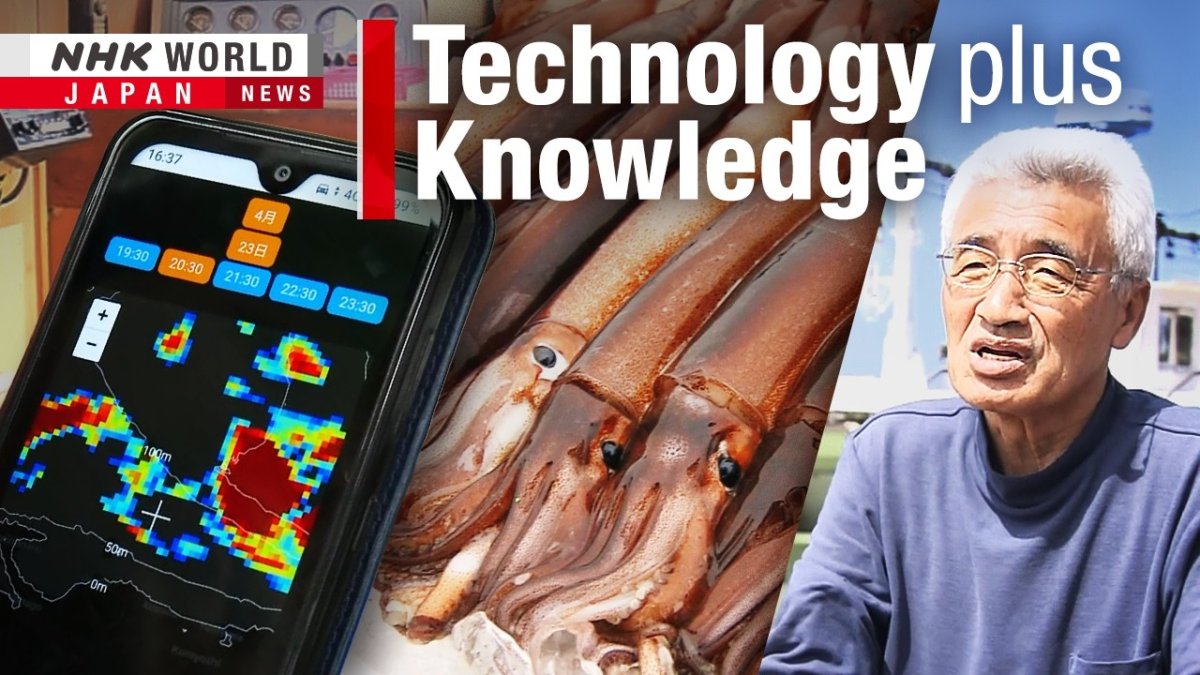
Researchers aim to combine fishers' collective knowledge, often termed traditional ecological knowledge, with the latest technology to locate squid more effectively. This approach quantifies observations passed down through generations and pairs them with oceanographic sensors, satellite data, and fishing log records.
By feeding these combined datasets into AI predictive models, analysts seek patterns that single-method approaches have missed. The effort focuses on real-time integration rather than replacement of existing practices, allowing vessel operators to adjust routes based on both historical insight and current sensor readings.
Japan's Smart Fisheries Initiative
Japan's government promotes its smart fisheries initiative through the Ministry of Agriculture, Forestry and Fisheries (MAFF) and the Ministry of Economy, Trade and Industry (METI). The program deploys information and communication technology, Internet of Things devices, artificial intelligence, and data analytics to revitalize a fishing sector facing workforce aging and coastal population decline.
MAFF subsidies support adoption of these tools, while METI and NEDO programs fund maritime innovation projects. The national strategy emphasizes data-driven resource management, aligning with the broader Society 5.0 vision that extends digital transformation to primary industries including fisheries.
Climate Change and Marine Resource Management
Climate change drives distribution shifts for Todarodes pacificus. Warming waters in the Sea of Japan alter migration routes and timing, contributing to the documented catch reductions. Researchers integrate oceanographic data with historical catch records to model these changes more precisely.
The Fisheries Research Agency incorporates climate variables into its assessments, providing updated guidance for management decisions. This work supports adaptive strategies that respond to shifting stock locations rather than relying solely on static seasonal expectations.
Implications for Japan's Fishing Industry
Production in Japan's fishing industry has declined significantly while the workforce continues to age. Coastal communities in prefectures such as Tottori face additional pressure from reduced squid availability. Smart fisheries tools offer one pathway to improve efficiency and support remaining operators.
Data platforms that merge traditional knowledge with sensor networks can reduce search time at sea and lower fuel costs. Over time, these efficiencies may help stabilize incomes even as overall stock levels fluctuate due to environmental pressures.
What to Watch For
Further integration of AI models with real-time vessel data will determine how quickly predictive accuracy improves. Continued MAFF and METI funding rounds will influence the pace of technology transfer to smaller operators in Tottori and neighboring prefectures.
Stock assessment updates from the Fisheries Research Agency will provide measurable benchmarks for whether combined traditional and technological approaches yield better resource management outcomes. Observers will also track how Society 5.0 principles translate into operational changes across additional primary sectors.
By Kenji Tanaka, Staff Writer
This article was produced with AI-assisted research and editorial support. Reporting is based on sources cited in the article.
What's Your Reaction?
 Like
0
Like
0
 Dislike
0
Dislike
0
 Love
0
Love
0
 Funny
0
Funny
0
 Wow
0
Wow
0
 Sad
0
Sad
0
 Angry
0
Angry
0

Japan Correspondent at Global1.News. Tokyo-based voice covering Japanese politics, technology, economy, and culture. Tracks the intersection of tradition and innovation in one of the world's most dynamic societies.














Comments (0)