
Argentina's Hantavirus Surge: How Climate Change Is Driving a Deadly Rodent-Borne Disease
Across the vast landscapes of Latin America, from the frozen fjords of Patagonia to the steaming heart of the Amazon, climate change is rewriting the rules of survival. Warmer temperatures and erratic rainfall are no longer abstract warnings—they are drivers of rodent explosions that carry deadly hantavirus into human communities. In Argentina, this ecological upheaval has prod
Across the vast landscapes of Latin America, from the frozen fjords of Patagonia to the steaming heart of the Amazon, climate change is rewriting the rules of survival. Warmer temperatures and erratic rainfall are no longer abstract warnings—they are drivers of rodent explosions that carry deadly hantavirus into human communities. In Argentina, this ecological upheaval has produced a surge that nearly doubled confirmed cases, claiming dozens of lives and exposing the fragility of public health systems already stretched thin by political neglect and Indigenous marginalization.
Argentina's Hantavirus Emergency Exposes Climate-Driven Health Crisis
Buenos Aires – June 2026 — As winter settles over the Southern Cone, Argentina confronts a hantavirus outbreak that has already sickened 101 to 107 people and killed at least 32. The numbers tell a stark story of ecological disruption colliding with daily life in rural provinces where families still rely on traditional homes and agricultural work. Provincial health ministries from Buenos Aires to Salta are racing to respond, yet the geographic shift of cases northward signals that old containment strategies are failing.
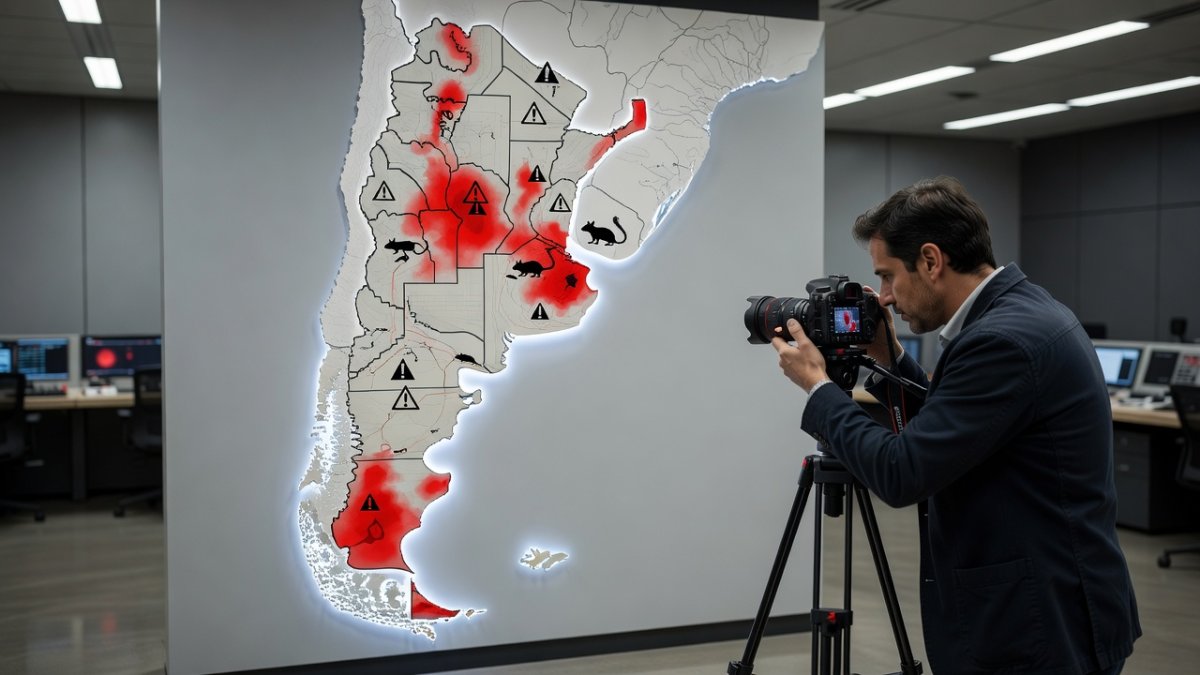
A Deadly Comeback: Hantavirus Cases Nearly Double
Argentina's current hantavirus season has produced between 101 and 107 confirmed cases as of May and June 2026, compared with roughly 57 in the previous season. Thirty-two deaths have already been recorded, pushing the human cost far beyond historical averages. Buenos Aires province now leads with 42 to 44 cases, followed by Salta with 30 to 31, Santa Fe with about 7, Jujuy with 6, Río Negro with 5, Entre Ríos with 5, and Chubut with 4. These figures, tracked by Argentina's Ministerio de Salud and laboratory-confirmed at ANLIS-Malbrán, reveal a disease once considered a Patagonian concern now striking central agricultural heartlands where Indigenous Mapuche and rural mestizo communities live in close proximity to expanding rodent populations. Over the past 13 years, 198 Argentines have died from hantavirus, yet the speed of this season's rise has overwhelmed provincial surveillance systems. Daily life in affected villages has changed: families seal homes, ventilate sheds cautiously, and rush any fever or muscle pain to distant clinics. Political leaders in provincial governments have increased messaging, but funding gaps leave many Indigenous territories without adequate rodent-control resources. The surge is not random; it mirrors broader Latin American patterns where climate-altered ecosystems push wildlife into human spaces.
The Climate Connection: Why Rodent Populations Are Booming
Scientists across the region directly link the hantavirus increase to climate change. Warmer temperatures and altered rainfall patterns have transformed vegetation, creating ideal conditions for rodent breeding across the Pampas and Andean foothills. INPE data from Brazil shows a 115 percent jump in Amazon heat foci between April and May 2026, with 867 recorded fires, underscoring how drought and deforestation are reshaping the entire continent's ecology. Although Amazon deforestation reached its lowest level since 2019, fires and prolonged dry spells continue to push species southward. In Argentina, these same dynamics expand rodent habitats into provinces that rarely saw outbreaks before. El Niño and La Niña cycles, now intensified by global warming, have long been studied for their role in rodent booms; the current "Super El Niño" warnings from regional meteorologists suggest even larger surges may follow. Indigenous communities in Salta and Jujuy, whose territories sit at the intersection of changing rainfall zones, report seeing more rodents near homes and fields than ever before. Daily routines—harvesting crops, maintaining livestock, even storing grain—now carry hidden risks. Political inaction on emissions reductions and land-use planning leaves these populations exposed while wealthier urban centers debate abstract climate targets. The Andes virus strain responsible for hantavirus pulmonary syndrome thrives in this new normal, with fatality rates of 30 to 50 percent in severe cases.
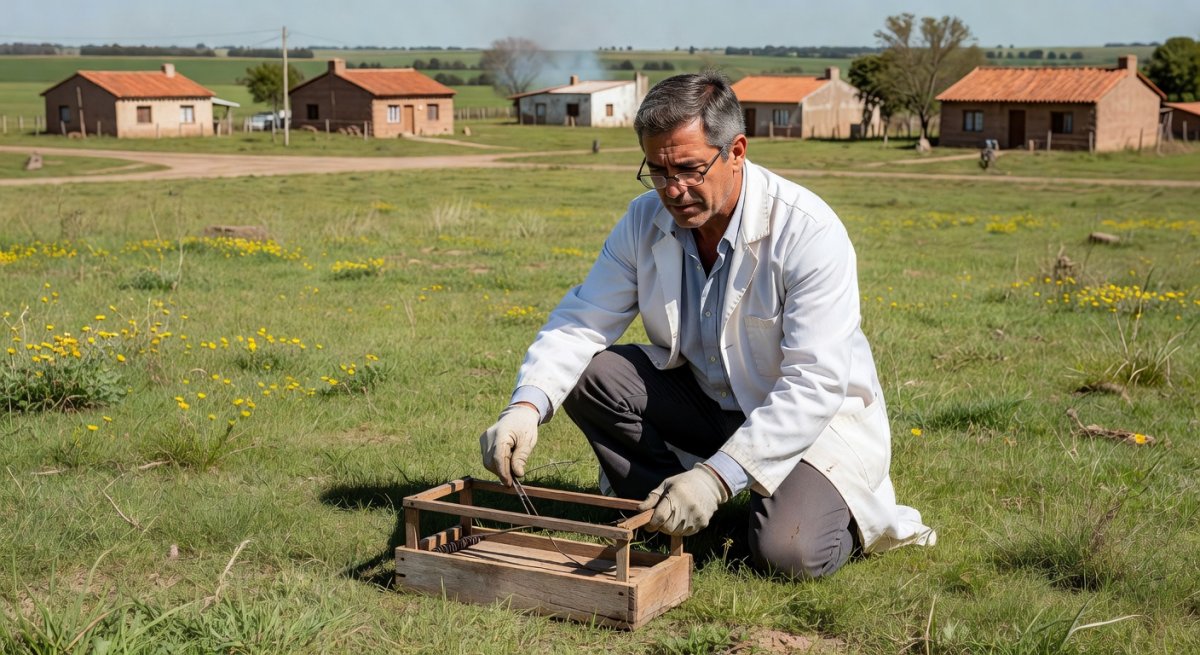
From Patagonia to the Pampas: A Geographic Shift
Traditional hantavirus hotspots in Patagonia are no longer the epicenter. Buenos Aires province has overtaken southern regions with 42 to 44 cases, marking a clear northward migration of the disease into the fertile Pampas. This shift disrupts long-standing assumptions held by health officials and forces provincial ministries to reallocate scarce resources. Río Negro and Chubut, once the focus of prevention campaigns, now report fewer cases than central provinces, while Salta's 30 to 31 infections highlight vulnerability in northern Indigenous territories. The geographic change reflects vegetation shifts driven by warmer winters and heavier spring rains that favor rodent food sources. Families in Entre Ríos and Santa Fe, many of them smallholder farmers with deep ties to the land, face new exposure risks during planting and harvest seasons. Political tensions have risen as national authorities urge cooperation between provinces, yet budget disputes delay coordinated rodent monitoring. ANLIS-Malbrán continues to process samples from across the country, providing the data backbone for response efforts. For Indigenous communities whose ancestral lands straddle these shifting ecological zones, the outbreak represents another layer of dispossession: their knowledge of local ecosystems is often ignored in favor of top-down public-health directives. Daily life now includes constant vigilance—checking barns, avoiding droppings, and teaching children to recognize early symptoms such as fever, headache, and fatigue.
The MV Hondius: A Cruise Ship Outbreak Rattles Global Health
The MV Hondius expedition cruise ship departed Ushuaia in Tierra del Fuego carrying roughly 150 passengers and crew when multiple hantavirus infections emerged. At least three passengers died, and WHO later confirmed ten global cases linked to the vessel. Passengers disembarked without systematic contact tracing, allowing potential spread across borders. The ship docked in the Netherlands in mid-May 2026 for disinfection while Argentine authorities, through ANLIS-Malbrán, handled diagnostic testing. The CDC assisted with rodent exposure tracing on board, yet crew members remained symptom-free, suggesting passenger cabins and excursion sites were the primary exposure points. Argentina's Ministerio de Salud emphasized international cooperation, but the incident exposed gaps in port surveillance at Ushuaia, a gateway to fragile Patagonian ecosystems. Indigenous Yaghan communities near the port have long warned about tourism pressures on local rodent habitats. The Al Jazeera report captured the chaos of passengers leaving without follow-up, underscoring how global travel can turn a regional outbreak into an international incident. This event has forced Latin American governments to reconsider health protocols at remote tourism hubs where climate-driven rodent increases are already documented.

No Vaccine, No Cure: The Medical Reality
The Andes virus that causes hantavirus pulmonary syndrome in Argentina offers no vaccine and no specific antiviral treatment. Care remains entirely supportive, focused on managing respiratory distress after initial flu-like symptoms progress rapidly. Patients experience fever, headache, muscle pain, and fatigue before sudden lung failure sets in, with fatality rates reaching 30 to 50 percent in severe cases. ANLIS-Malbrán's diagnostic capacity is critical, yet many rural clinics lack rapid testing, delaying care for Indigenous and low-income families. Prevention therefore rests on behavioral measures: ventilating enclosed spaces, sealing homes against rodents, avoiding contact with droppings, and seeking prompt medical attention at the first sign of symptoms. Provincial health ministries have launched awareness campaigns, but language barriers and limited internet access in Indigenous territories reduce their reach. The absence of a medical solution places the burden squarely on ecological and social interventions—measures that require political will to fund rodent control and improve housing in vulnerable areas. Daily life for families in affected provinces now includes constant risk calculation, especially for those whose livelihoods depend on outdoor labor.
What This Means for Latin America
The Argentine outbreak is a warning for the entire continent. Changing rainfall patterns are making the Amazon more flood-prone while southern South America grows drier, altering rodent ranges across borders. INPE's fire data and warnings of a Super El Niño indicate that ecological conditions favoring hantavirus will persist. Indigenous territories from the Andes to the Pampas bear disproportionate risk because of historical land dispossession and underfunded health infrastructure. Political leaders must move beyond surveillance to address root drivers: deforestation, fossil-fuel emissions, and inequitable development. Regional cooperation through bodies like WHO and CDC partnerships can strengthen cross-border tracing, yet lasting protection requires centering Indigenous knowledge in land-management decisions. Daily existence in rural Latin America is being reshaped by these invisible ecological shifts, demanding urgent, justice-centered responses.
The Bottom Line — What Comes Next
Argentina's hantavirus surge, the MV Hondius tragedy, and the broader climate-driven rodent expansion together form a clear mandate. Without decisive action on emissions, land protection, and equitable health access, more provinces will see cases climb. The 32 deaths recorded so far are not statistics—they are mothers, farmers, and elders whose communities now live in heightened fear. Latin America's future health security depends on treating climate change as the public-health emergency it has become. By Elena Vasquez, Staff Writer.
This article was produced with AI-assisted research and editorial support. Reporting is based on sources cited in the article.
What's Your Reaction?
 Like
0
Like
0
 Dislike
0
Dislike
0
 Love
0
Love
0
 Funny
0
Funny
0
 Wow
0
Wow
0
 Sad
0
Sad
0
 Angry
0
Angry
0

Latin America Correspondent at Global1.News. Based in Mexico City, covering politics, economics, energy, and culture across the region. Brings an on-the-ground perspective to stories spanning from the Rio Grande to Patagonia.













Comments (0)