
Colombia Amazon Reserve Bans Extraction in Policy Shift
In the heart of Latin America—™s environmental frontline, where rising temperatures threaten biodiversity across the Amazon basin, Colombian communities are witnessing a decisive turn toward protection. The declaration of the entire 483,000 km² Amazon region as a Reserva de Recursos Naturales Renovables directly links local livelihoods to continental climate stability. This move positions Colombia—™s territory, representing 7 percent of the basin, as a critical buffer against further ecological collapse.
Colombia’s Amazon at a Crossroads: Conservation Gains Meet Policy Uncertainty
Bogotá, Colombia —“ July 15, 2026 —” Colombia has declared its entire Amazon territory a renewable natural resources reserve, banning new oil and mining operations across 483,000 square kilometers while achieving historic deforestation reductions —” but the gains face uncertainty as a new administration prepares to take office with a radically different environmental agenda.
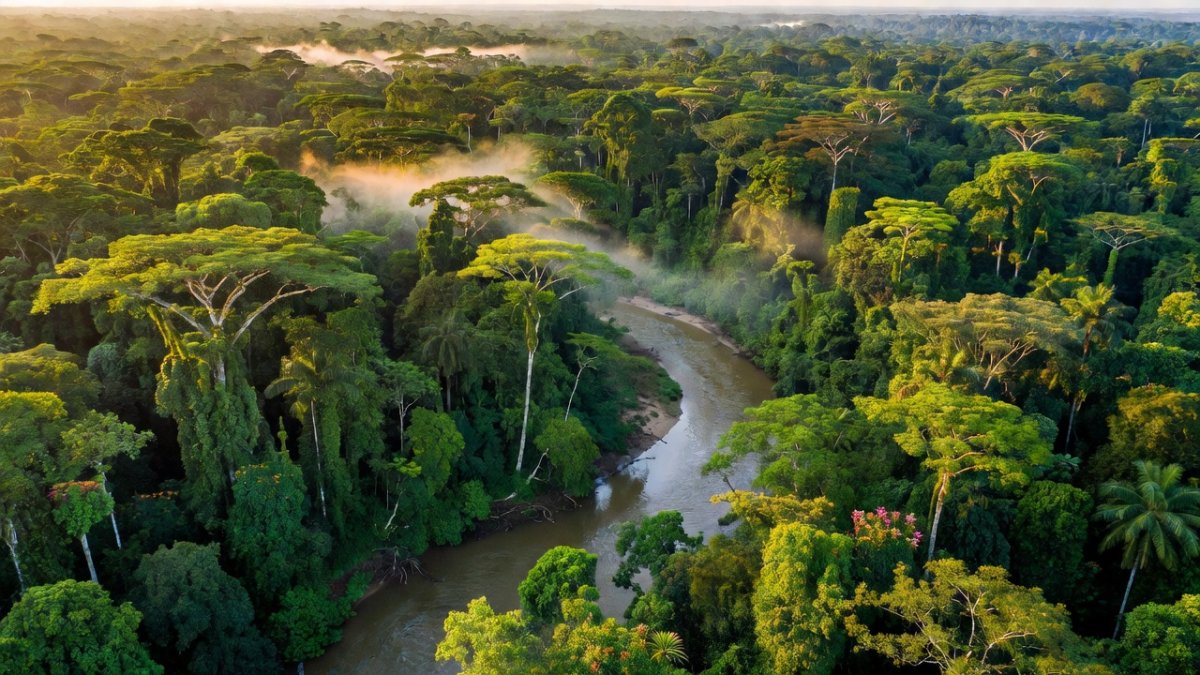
Amazon's Legal Shield: Colombia's Renewable Reserve
Colombia has taken an unprecedented step by designating its full Amazon territory spanning 483,000 square kilometers, or 42 percent of national land and 7 percent of the Amazon basin, as a Reserva de Recursos Naturales Renovables. This legal shield immediately prohibits new oil, gas, and large-scale mining operations across the region. The policy blocks 43 designated oil blocks and approximately 286 pending mining requests, initiating a gradual transition toward zero extraction activities. MinAmbiente and Corpoamazonia are coordinating enforcement through IDEAM satellite monitoring to ensure compliance. Indigenous communities and rural populations in departments such as Caquetá and Putumayo now operate under stricter safeguards that prioritize forest integrity over resource extraction. The reserve status integrates with Parques Nacionales Naturales frameworks, creating overlapping protections that strengthen territorial governance. This approach reflects broader Latin American efforts to treat the Amazon as a shared climate asset rather than an open frontier for development. Data from government agencies show that such designations can reduce pressure on carbon-rich soils and biodiversity hotspots. The shift also aligns with international commitments to limit emissions from land-use change. Local leaders emphasize that the reserve provides legal certainty for sustainable practices while halting speculative claims that previously accelerated habitat loss.
Historic Deforestation Reductions Under Threat
Deforestation across Colombia fell by an average of 37 percent from the 2021 baseline, with the Amazon region recording a 38 percent reduction in 2023 that brought losses to the lowest level in 23 years. National figures reached 79,256 hectares that year, while Amazon-specific clearing dropped sharply under sustained enforcement by IDEAM and MinAmbiente. In 2024, however, national deforestation rebounded to approximately 113,608 hectares following El Ni̱o conditions that dried forests and increased fire risk. Preliminary 2025 data indicate Amazon losses around 72,409 hectares, suggesting the gains remain fragile. Corpoamazonia field teams continue patrols in priority zones, yet extreme weather events highlight vulnerabilities in the current monitoring system. The reductions achieved so far demonstrate that coordinated policy and community involvement can deliver measurable results across Latin AmericaѪs tropical forests. Still, analysts warn that any relaxation of controls could reverse progress within a single dry season. Rural families dependent on forest resources have reported improved water availability and soil stability during the low-deforestation period. These outcomes underscore the direct connection between enforcement intensity and ecosystem resilience. Continued investment in real-time satellite alerts remains essential to maintain the downward trajectory.
Restoration at Scale: 643,730 Hectares and Counting
Restoration efforts have reached 643,730 hectares, exceeding previous government totals by 160 percent and directly involving more than 88,500 people in active recovery projects. CONPES 4174 allocates 1.4 trillion Colombian pesos, roughly 300 to 350 million USD, over ten years to restore degraded areas in the Amazon and Chocó regions. Plans call for restoring at least 140,000 hectares under this framework, supported by 200 newly trained rural forest extensionists who provide technical assistance to smallholders. MinAmbiente coordinates with Corpoamazonia to prioritize native species planting that rebuilds connectivity between forest fragments. These initiatives improve carbon sequestration while generating income through sustainable harvesting of non-timber products. Indigenous and campesino communities participate in monitoring protocols that track seedling survival and biodiversity recovery. The scale of restoration positions Colombia as a regional leader in reversing decades of degradation across Latin American frontiers. Extensionists also deliver training on climate-adapted agricultural practices that reduce pressure on remaining stands. Early results show improved water retention and reduced erosion in treated watersheds. Sustained funding through CONPES 4174 will determine whether these gains compound over the coming decade.
Community Stewardship: The Campesino Forest Concession Model
The first Campesino Forest Concession covers 23,000 hectares in Solano, Caquetá, granting 30-year rights to more than 420 families who now manage the area collectively. This model empowers rural communities to balance conservation with limited sustainable use, replacing previous cycles of informal clearing. Families receive technical support from Corpoamazonia and Parques Nacionales Naturales to develop management plans that protect watersheds and wildlife corridors. The concession framework directly addresses land tenure insecurity that historically drove deforestation in Colombia—™s Amazon. Similar arrangements are under discussion in neighboring municipalities, signaling potential expansion of community-led governance. Local participants report stronger social cohesion and diversified livelihoods through agroforestry systems. The approach aligns with broader Latin American experiments in granting formal rights to forest-dependent populations. Monitoring by IDEAM confirms reduced illegal activities inside concession boundaries compared with adjacent areas. Extensionists trained under national programs assist with species selection and fire prevention. This community-centered strategy demonstrates that secure rights can produce both ecological and social benefits when paired with adequate resources.
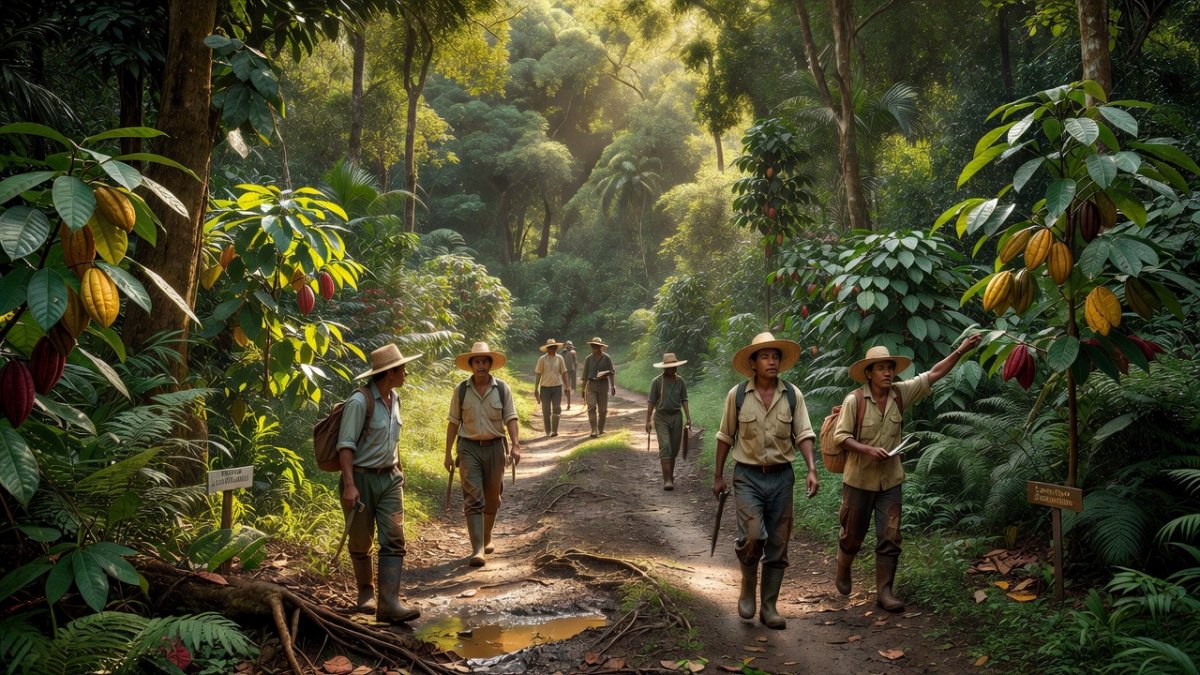
Coca Policy Crossroads: From Voluntary Substitution to Aerial Fumigation
Colombia—™s coca cultivation reached more than 253,000 hectares in 2024, prompting a sharp policy reversal under President-elect Abelardo de la Espriella of Defensores de la Patria, who assumes office in August 2026. The incoming administration plans to launch aerial fumigation with drones and bioherbicides starting August 8, targeting over 300,000 hectares without using glyphosate. This marks a departure from the Petro government—™s emphasis on voluntary substitution programs that promoted coffee, cacao, coconut, and native species among small growers. Previous substitution efforts achieved modest success in Caquetá and other Amazon departments by linking alternative crops to stable markets. However, persistent cultivation levels have fueled arguments for renewed eradication measures. The shift raises questions about impacts on campesino families who participated in substitution agreements and now face uncertainty. MinAmbiente and IDEAM will track environmental side effects of the new spraying regime. Regional analysts note that aerial operations have historically produced mixed results across Latin America while sometimes displacing cultivation into more remote forest areas. Community leaders in the Amazon stress the need for complementary development support to prevent renewed clearing after eradication. The policy transition will test whether enforcement and substitution can coexist effectively.
The Constitutional Hurdles: Six Conditions for a New Era
The Constitutional Court—™s 2017 ruling established six mandatory conditions for any aerial spraying program: scientific evidence of effectiveness, independent monitoring, prior community consultation, mechanisms for redress, environmental impact assessments, and protection of human health. These requirements remain binding as the incoming government prepares drone-based operations with bioherbicides. MinAmbiente must demonstrate compliance before large-scale application begins in August 2026. Corpoamazonia and Parques Nacionales Naturales are expected to participate in monitoring protocols that satisfy court standards. Indigenous and campesino organizations in the Amazon have already signaled intent to demand full consultation processes. The ruling reflects Colombia—™s legal tradition of balancing security objectives with environmental and social safeguards. Failure to meet any condition could trigger judicial suspension of fumigation activities. Regional observers view the six conditions as a model for accountable policy implementation across Latin America. Government agencies are now preparing documentation to address each requirement ahead of the planned start date. Community trust will depend on transparent reporting of results and any unintended consequences.
The Bottom Line —” What Comes Next for Colombia's Amazon
The convergence of the renewable reserve designation, large-scale restoration, and community concessions has produced tangible progress, yet the planned return to aerial operations introduces new variables. IDEAM data will remain central to evaluating whether deforestation stays below recent lows or rebounds under changing enforcement priorities. The #BioSur project—™s biocultural corridor linking Amazon, Andes, and Pacific regions offers additional connectivity benefits that could buffer against localized losses. Corazón del Mundo reserve protections in the Sierra Nevada de Santa Marta further illustrate Colombia—™s multi-front strategy. For the 420 families in the Solano concession and thousands more across the Amazon, secure rights and technical support will determine long-term stewardship outcomes. Latin America—™s environmental frontline now hinges on whether incoming policies uphold the legal and financial commitments already in place. Sustained coordination among MinAmbiente, Corpoamazonia, and Parques Nacionales Naturales is essential to translate declarations into durable forest cover. The coming years will reveal if Colombia can maintain its recent gains while navigating the shift toward renewed eradication efforts. Community voices from Caquetá and beyond will continue shaping the practical results of these national decisions.By Elena Vasquez, Staff Writer
This article was produced with AI-assisted research and editorial support. Reporting is based on sources cited in the article.
What's Your Reaction?
 Like
0
Like
0
 Dislike
0
Dislike
0
 Love
0
Love
0
 Funny
0
Funny
0
 Wow
0
Wow
0
 Sad
0
Sad
0
 Angry
0
Angry
0

Latin America Correspondent at Global1.News. Based in Mexico City, covering politics, economics, energy, and culture across the region. Brings an on-the-ground perspective to stories spanning from the Rio Grande to Patagonia.













Comments (0)