
Ancient Brahmi Gold Ring Discovered at Phetchaburi Site
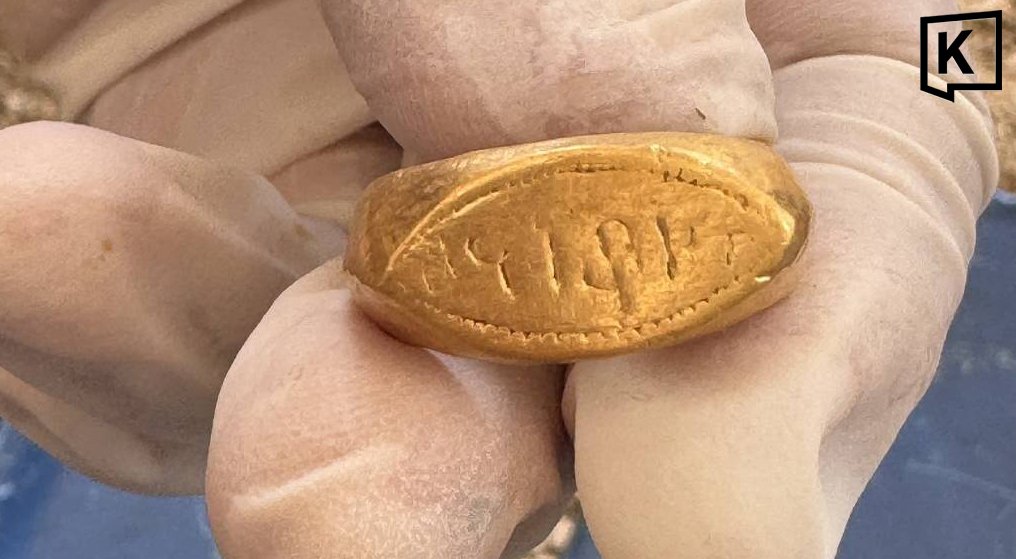
Discovery at Don Yai Thong in Phetchaburi On 2 July 2026 the Fine Arts Department announced the recovery of two ancient gold rings at the Don Yai Thong archaeological site in Phetchaburi province. Director-General Phanombut Chantarachot confirmed that one ring carries a Brahmi inscription while the second remains plain. Both items were found with Skeleton No. 4 during an urgent
Discovery at Don Yai Thong in Phetchaburi
On 2 July 2026 the Fine Arts Department announced the recovery of two ancient gold rings at the Don Yai Thong archaeological site in Phetchaburi province. Director-General Phanombut Chantarachot confirmed that one ring carries a Brahmi inscription while the second remains plain. Both items were found with Skeleton No. 4 during an urgent recovery operation.
The excavation at Don Yai Thong forms part of ongoing work to document early settlements in central Thailand. Archaeologists have been carefully lifting human skeletons and associated artefacts before seasonal conditions worsen. The site lies within a landscape long revered by local communities for its quiet connection to the past.
Director-General Phanombut Chantarachot emphasised the importance of swift action to protect fragile remains. Rising groundwater and salinity already threaten the integrity of bones and metal objects. The team therefore prioritised the area around Skeleton No. 4 where the gold rings appeared.
Local residents in Phetchaburi have long regarded the Don Yai Thong area as a place of quiet historical memory. The discovery of the inscribed ring adds a tangible link to ancient travellers who once passed through the region. Such finds gently remind communities of their deep roots in the land.
The Fine Arts Department continues to coordinate with Silpakorn University experts at the site. Daily briefings ensure that every recovered object receives immediate documentation. This careful process honours both scientific standards and the cultural respect Thai people hold for ancestral remains.
Brahmi Inscription: A Glimpse into the Ancient World
The inscribed gold ring bears the Brahmi script reading “Pusrakhitasa”. Experts translate this as “belonging to Pusrakhita” or “protected by the Pushya star”. The ring is understood to have functioned as a signet used by its owner in daily affairs.
Preliminary analysis dates the inscription to the 5th–7th Buddhist centuries, placing it between 1,900 and 2,100 years old. Silpakorn University and Fine Arts Department specialists reached this conclusion after examining letter forms and metal composition. The dating aligns with early historic periods in the region.
Archaeologists associate the ring’s owner with the Vaishya merchant caste. Signet rings of this type commonly served traders who needed to authenticate goods and documents. The presence of such an item at Don Yai Thong suggests established commercial activity in ancient Phetchaburi.
Buddhist communities in Thailand often view ancient inscriptions as quiet teachers of impermanence and continuity. The Brahmi text on the ring offers a gentle reminder that people of different backgrounds once shared the same landscape. This perspective resonates with local temple teachings on interconnected lives.
The second gold ring carries no decoration yet shares the same burial context. Its plain surface contrasts with the inscribed piece, highlighting variety in personal possessions. Both rings now rest at Phra Nakhon Khiri National Museum awaiting further study.
Race Against Time at the Excavation Site
Rising groundwater and increasing salinity have placed the Don Yai Thong remains under immediate threat. Seasonal rains expected within weeks could further saturate the soil and accelerate corrosion of metal artefacts. The Fine Arts Department therefore launched a focused recovery operation.
Archaeologists worked methodically around Skeleton No. 4 to extract the two gold rings without disturbing surrounding soil layers. Protective coverings and drainage channels were installed to slow water ingress. Daily monitoring ensured that any change in moisture levels received prompt attention.
Local volunteers from nearby villages assisted with equipment transport and site security. Their quiet participation reflects the Thai tradition of communal support during times of cultural preservation. Such cooperation strengthens bonds between scientific teams and surrounding communities.
The urgency at Don Yai Thong mirrors challenges faced at other coastal and riverine sites across Thailand. Salt intrusion and shifting water tables increasingly affect ancient burials. The current operation demonstrates practical responses developed through years of field experience.
Excavation and recovery work will continue for another month before the site is closed. All recovered materials undergo immediate stabilisation treatment on location. This measured approach protects both the physical objects and the stories they carry for future generations.
Ancient Trade Links Between India and Thailand
Similar Brahmi inscriptions have previously appeared on seals and jewellery at sites in Krabi and Chumphon. These earlier discoveries establish a pattern of Indian script use along Thailand’s western and southern coasts. The Don Yai Thong ring extends this distribution northward into Phetchaburi.
Early maritime routes across the Indian Ocean facilitated regular contact between the Indian subcontinent and present-day Thailand. Merchants carried goods, scripts, and religious ideas along these pathways. The “Pusrakhitasa” ring provides concrete evidence of such movement reaching central Thailand.
Thai Buddhist tradition honours the historical arrival of Indian cultural elements that later blended with local customs. The Brahmi inscription at Don Yai Thong illustrates one small chapter in this long exchange. Communities today recognise these connections through temple art and festival practices.
Archaeologists note that signet rings served practical purposes in ancient trade networks. Authentication of shipments and contracts required personal seals. The presence of such an object at Don Yai Thong indicates organised commercial activity rather than isolated contact.
The Fine Arts Department continues to compare the new ring with finds from Krabi and Chumphon. Shared letter styles and metalworking techniques suggest common origins or direct transmission. These comparisons enrich understanding of regional interaction during the 5th–7th Buddhist centuries.
Preserving Thailand's Archaeological Heritage
Both gold rings have been transferred to Phra Nakhon Khiri National Museum for conservation and further study. Museum conservators will clean, stabilise, and document the objects under controlled conditions. This step ensures long-term preservation of the delicate metal surfaces.
The Fine Arts Department plans a public exhibition featuring artefacts recovered from Don Yai Thong. Preliminary findings will be presented once excavation concludes. Visitors will have the opportunity to view the inscribed ring alongside other burial goods.
Phra Nakhon Khiri National Museum already houses significant collections from Phetchaburi province. The addition of the Brahmi ring strengthens its role as a centre for regional archaeological research. Local students and scholars regularly consult the museum’s resources.
Conservation work at the museum follows established Thai protocols that respect both scientific standards and cultural sensitivity. Each object receives individual attention from trained specialists. This careful stewardship reflects Buddhist values of mindfulness and respect for material heritage.
The Don Yai Thong discovery underscores the continued importance of systematic excavation in Thailand. Every new find contributes to a fuller picture of early communities. The museum exhibition will share these insights with the wider public in an accessible manner.
What This Discovery Means for Thai Cultural Identity
The Brahmi-inscribed ring from Don Yai Thong offers Thai readers a tangible connection to ancestors who participated in ancient trade. Its presence in Phetchaburi highlights the province’s longstanding role as a crossroads of people and ideas. Local communities take quiet pride in this shared history.
Buddhist heritage in Thailand emphasises continuity across generations. The 1,900–2,100-year-old inscription serves as a gentle reminder that wisdom and commerce have long travelled together. Temples throughout the region often display similar historical links during festivals.
Regional identity in Phetchaburi gains additional depth from the discovery. Residents now see their landscape as part of a broader network that once stretched across the Indian Ocean. This perspective fosters a sense of belonging within both local and international stories.
Tourism authorities anticipate measured interest in the upcoming exhibition at Phra Nakhon Khiri National Museum. Visitors will learn about early merchant communities while experiencing the province’s living cultural traditions. Such connections support sustainable cultural tourism.
The ring’s association with the Vaishya caste invites reflection on the diverse backgrounds of people who shaped early Thailand. Thai society has always welcomed contributions from many sources. This discovery gently affirms that inclusive spirit.
The Bigger Picture: Southeast Asia's Archaeological Renaissance
Discoveries across Thailand, Cambodia, Myanmar, and Indonesia continue to reshape understanding of early Southeast Asian civilisation. The Don Yai Thong rings join a growing body of evidence showing extensive maritime networks. Each site adds detail to this regional narrative.
ASEAN cultural cooperation supports joint training programmes and information exchange among archaeologists. Thai specialists regularly participate in collaborative workshops with colleagues from neighbouring countries. These partnerships strengthen conservation capacity across the region.
Buddhist communities throughout Southeast Asia recognise shared historical threads visible in inscriptions and artefacts. The Brahmi script found at Don Yai Thong echoes similar finds in other member states. Such parallels encourage mutual appreciation of common heritage.
Seasonal threats from groundwater and salinity affect many coastal sites in the region. The recovery methods developed at Don Yai Thong offer practical lessons for colleagues facing comparable challenges. Open sharing of techniques benefits all participating nations.
The Fine Arts Department’s work at Don Yai Thong contributes to a wider ASEAN effort to document and protect early historic remains. Public exhibitions such as the one planned for Phra Nakhon Khiri National Museum help citizens across borders appreciate this collective past.
By Ann Srisawat, Staff WriterThis article was produced with AI-assisted research and editorial support. Reporting is based on sources cited in the article.
What's Your Reaction?
 Like
0
Like
0
 Dislike
0
Dislike
0
 Love
0
Love
0
 Funny
0
Funny
0
 Wow
0
Wow
0
 Sad
0
Sad
0
 Angry
0
Angry
0

Southeast Asia Correspondent at Global1.News. Based in Bangkok, covering Thai and Southeast Asian politics, economy, technology, and culture. Deep regional perspective on one of the world's most dynamic regions.














Comments (0)