
Africa's Most Iconic World Cup Kits: A Celebration of Continent's Football Fashion
A Continent's Colours on the World Stage Africa's football kits have long carried more than team colours. They reflect national stories, local craftsmanship and the quiet determination of players who stepped onto pitches far from home. As the 2026 World Cup approaches, BBC Sport Africa has invited fans to rank ten of the continent's most memorable World Cup shirts. These design
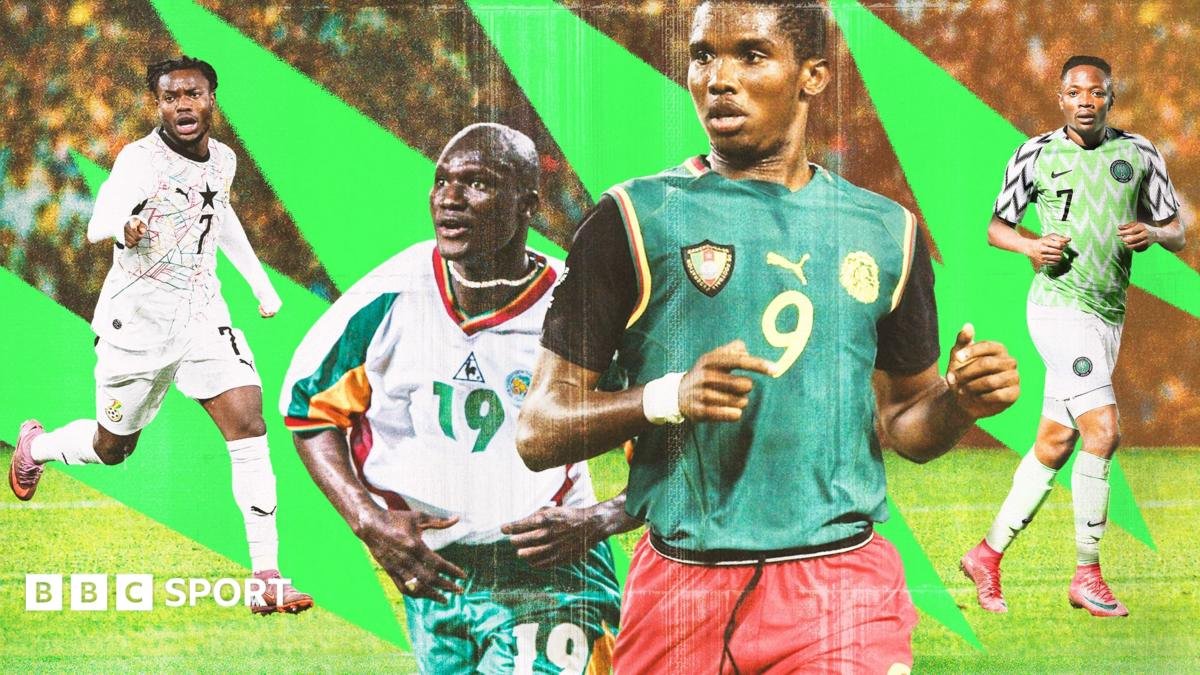
A Continent's Colours on the World Stage
Africa's football kits have long carried more than team colours. They reflect national stories, local craftsmanship and the quiet determination of players who stepped onto pitches far from home. As the 2026 World Cup approaches, BBC Sport Africa has invited fans to rank ten of the continent's most memorable World Cup shirts. These designs speak to identity, creativity and the pride that travels with every African supporter.
The selections span five decades and several nations. Each kit carries details that still resonate in markets, living rooms and diaspora communities today. From the deep V-neck of Zaire's 1974 shirt to the spiderweb pattern chosen for Ghana's 2026 campaign, the garments reveal how African teams have used fabric to express heritage while competing at the highest level.
Early Statements from Zaire and Algeria
Zaire's 1974 kit arrived in green and yellow with the country name and the Leopards nickname and logo across the chest. The shirt featured a big collar and deep V-neck. Congolese designer Alvin Junior Mak, who recently created leopard-print arrival suits for DR Congo, has spoken of drawing inspiration from this design. He noted that in Africa people say if you want to move forward you have to see where you come from. Zaire lost 9-0 to Yugoslavia that tournament, yet the kit remains a reference point for later generations of designers.
Algeria's 1982 shirt was white with green trim and carried the country name in Arabic script as Al-Jaza'ir. It was produced by the state-owned company Sonitex, which is now defunct. Sports journalist Maher Mazahi observed that the absence of copyright protection has allowed smaller clothing companies to copy and sell the design across Algeria and to the diaspora. This accessibility has kept the shirt popular among football hipsters who value its clean lines and cultural lettering.
Cameroon's Lion and Nigeria's First Green Wave
Cameroon's 1990 yellow shirt carried a green stripe and a roaring lion on the chest. The team became the first African nation to reach the World Cup quarter-finals after beating holders Argentina 1-0 in the opening match. President Paul Biya called 38-year-old Roger Milla out of retirement; Milla scored four goals. BBC's Paul Njie described the shirt's roaring lion as a symbol of pride, courage and determination for many observers.
Nigeria's 1994 away kit appeared in green and white. The Super Eagles defeated Bulgaria 3-0 and Greece 2-0. Players Rashidi Yekini, Daniel Amokachi and Emmanuel Amunike featured prominently. Current captain William Troost-Ekong later said that Nigeria's greatest set of Super Eagles wore that shirt and that all subsequent players strive to imitate that achievement.
Geometric Patterns, Sleeveless Vests and Senegal's Stripes
South Africa's 1998 kit displayed a geometric pattern in blue, yellow, red and green, produced by Kappa. It updated the design worn during the 1996 Africa Cup of Nations victory. Josh Warwick of Cult Kits noted that Kappa ranked among the great sportswear brands of that era.
Cameroon's 2002 sleeveless basketball-style vest drew immediate attention. Eric Djemba-Djemba recalled the dressing-room reaction of surprise at the new generation of shirt and observed that everybody in Africa wanted to wear it. FIFA required the team to add black sleeves for the tournament itself.
Senegal's 2002 kit was white with green, red and yellow stripes. Papa Bouba Diop scored the winner in a 1-0 victory over holders France. Fan Mamour Insa stated that 2002 remains the best for his generation, which continues to wear that kit.
Yellow Gold, Neon Green and the Spiderweb of 2026
Ghana's 2010 bright yellow and gold shirt became linked with Asamoah Gyan's missed penalty against Uruguay in extra time, a moment that would have made Ghana the first African semi-finalist. Michael Essien remarked that once fans see the shirt they remember the Uruguay game, adding that it was a great shirt the players loved.
Nigeria's 2018 neon green Nike design broke the internet and created queues outside shops. Troost-Ekong called it the best football shirt ever and noted that everyone was trying to get hold of it.
For 2026, Ghana's Black Stars will wear a spiderweb design inspired by the Kwaku Ananse folklore character. FIFA ruled that the team will not wear its home strip for any group matches. These recent choices continue the pattern of drawing on local stories while navigating international regulations.
What the Kits Reveal About African Creativity
Across these examples the kits show how African nations have balanced global sportswear standards with local references. The Arabic script on Algeria's shirt, the lion on Cameroon's chest and the Ananse motif for Ghana all anchor the garments in specific cultural settings. When designs become widely copied, as with the 1982 Algerian shirt, they move beyond official merchandise into everyday wardrobes and small-business economies.
The 2026 tournament arrives at a time when African fashion and storytelling continue to gain wider attention. Kits serve as portable expressions of that renaissance, worn by players and supporters alike. They connect stadium moments to markets in Dakar, Lagos and Accra, where tailors and traders keep older patterns alive.
Fans ranking the BBC Sport Africa selection will weigh not only results but also the memories these shirts carry. Each garment records a chapter in which African teams asserted presence on the world stage while honouring the places they represent.
By Amara Diop, Staff WriterThis article was produced with AI-assisted research and editorial support. Reporting is based on sources cited in the article.
What's Your Reaction?
 Like
0
Like
0
 Dislike
0
Dislike
0
 Love
0
Love
0
 Funny
0
Funny
0
 Wow
0
Wow
0
 Sad
0
Sad
0
 Angry
0
Angry
0
West Africa/Sahel Correspondent at Global1.News. Dakar-based journalist covering politics, security, climate, and development across Francophone and Anglophone West Africa. Tells the stories of a region undergoing profound transformation.









Comments (0)