
ICC Holds Second Status Conference for Duterte as Trial Rules Set for November 30
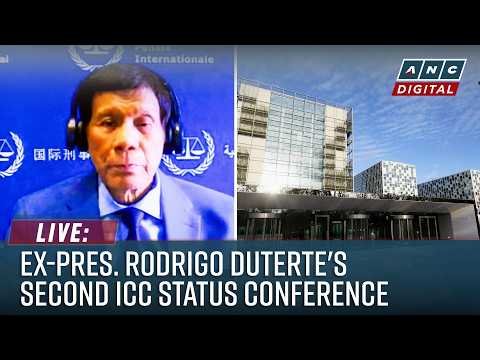
In a recent ANC 24/7 report from The Hague on June 23, 2026, the live coverage captured the second status conference for former Philippine President Rodrigo Duterte at Trial Chamber III of the International Criminal Court. The proceedings focused on preparations for the November 30, 2026 trial opening on charges of crimes against humanity through murder as an indirect co-perpet
In a recent ANC 24/7 report from The Hague on June 23, 2026, the live coverage captured the second status conference for former Philippine President Rodrigo Duterte at Trial Chamber III of the International Criminal Court. The proceedings focused on preparations for the November 30, 2026 trial opening on charges of crimes against humanity through murder as an indirect co-perpetrator linked to the war on drugs. Duterte remains detained at Scheveningen prison while a three-member medical expert panel prepares findings due in August on his fitness to stand trial.
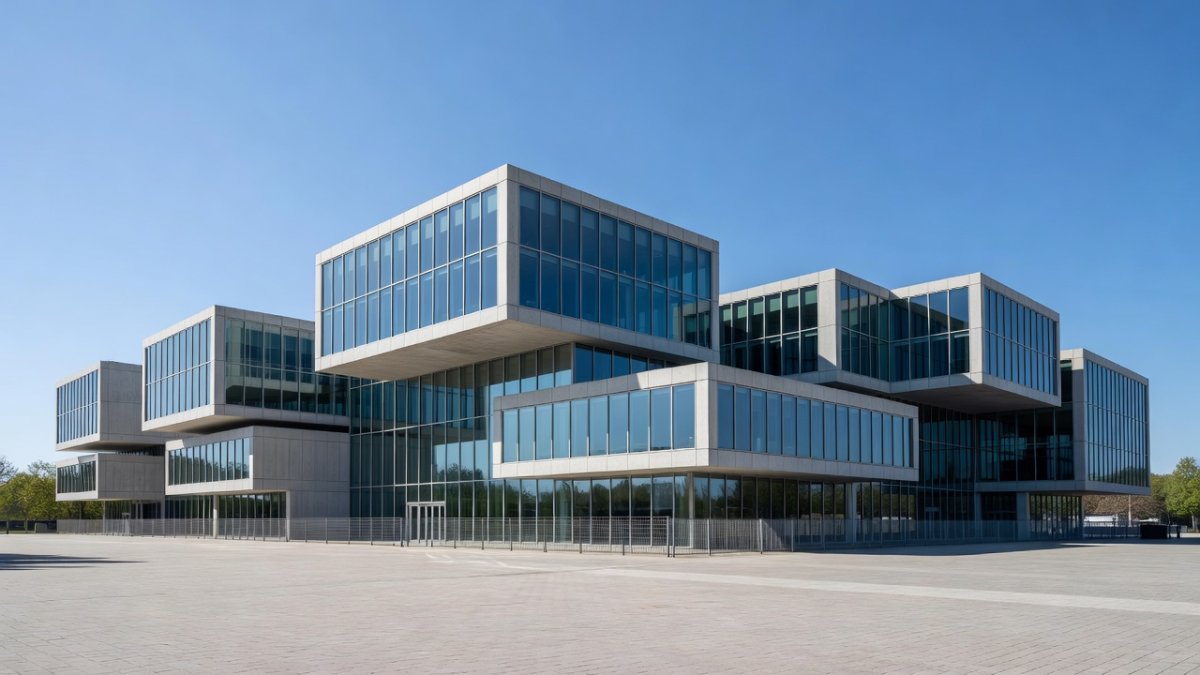
Live Proceedings at Trial Chamber III
Presiding Judge Joanna Korner opened the session by directing counsel to address the confidential information protocol and observations on the medical expert report. The agenda also covered dates for the third status conference and limits on the prosecution trial brief page count. Judge Korner stressed the need for speedy proceedings despite health concerns raised by the defense team.
Prosecution representatives outlined plans to call 60 to 70 witnesses, including 31 insider witnesses, during the first stage of the three-stage trial structure. The prosecution must submit its trial brief, witness list, and evidence list by August 31, 2026. Victims' representatives from the Common Legal Representative of Victims team received a September 28 deadline to file their own trial brief.
Defense counsel received until October 30 to outline arguments and submit witness protection applications. Judge Korner encouraged greater use of pre-recorded testimony under Rule 68 to maintain momentum toward the November trial date. Duterte's attendance remains mandatory for all status conferences under ICC rules.
Charges Spanning Davao to National Presidency
The charges cover extrajudicial killings from Duterte's time as Davao City mayor through his presidency until the Philippines withdrew from the Rome Statute in 2019. Official government figures list more than 6,000 drug war deaths, while human rights groups allege thousands more cases across barangays in Manila, Quezon City, and Cebu. The International Criminal Court case marks the first time a former Philippine president faces such international accountability.
Victims' families from Davao and Metro Manila have followed the status conference through local radio updates and community discussions at sari-sari stores. Many relatives lost loved ones during police operations that began in 2016 and continued until the 2019 withdrawal. The distinct role of the Common Legal Representative of Victims allows families to present their accounts separately from the prosecution team.
COMELEC records show Duterte's 2016 election victory drew strong support from voters in Mindanao who backed his tough-on-crime platform. The current ICC proceedings now place that same platform under international legal scrutiny at The Hague. Philippine Senate hearings in past years examined some drug war incidents but produced limited accountability for victims in provinces like Davao del Sur.
Medical Panel Assessment and Detention Conditions
The three-member medical expert panel continues its evaluation of Duterte at Scheveningen prison ahead of the August deadline. Judge Korner urged all parties to avoid delays tied to health claims and to focus on efficient case management. The panel's findings will determine whether Duterte can participate fully in the November 30 trial opening.
Detention at Scheveningen places Duterte far from his home province of Davao, where supporters still gather at local plazas to discuss the case. Family members in the Philippines receive limited visitation rights under ICC protocols. The Department of Foreign Affairs in Manila has monitored the detention conditions through diplomatic channels.
Health concerns raised during the first status conference on May 27, 2026, when Duterte waived his right to appear, resurfaced today. The medical report observations formed a central part of today's agenda. Philippine medical associations have not issued formal statements on the panel's composition.
Timeline and Three Status Conferences
Three status conferences were scheduled before the November 30 trial. The first occurred on May 27, 2026, and today's second meeting addressed procedural matters released in the June 19 Directions on the Conduct of Proceedings. The third conference date will be set during today's session.
Prosecution evidence submission by August 31 will trigger the next phase of preparation. Victims' representatives gain until September 28 to add their filings. Defense responses due October 30 will complete the pre-trial exchange before the three-stage trial begins with prosecution evidence.
The schedule affects families waiting for testimony opportunities in Manila and Cebu. Many relatives of victims have formed support groups through church networks in Quezon City. The compressed timeline means witness protection decisions must be finalized by October 30 to allow safe participation.
Impact on Filipino Families and Communities
Thousands of families across Davao, Manila, and Baguio continue to seek recognition for relatives killed during the drug war operations. The ICC case provides a formal international forum where their stories can enter the court record through the Common Legal Representative of Victims. Daily life in affected barangays still carries the memory of those losses during community gatherings.
OFW families in Cebu and other provinces have expressed mixed reactions, with some hoping the proceedings bring closure while others worry about renewed political divisions. The case reaches into households where discussions of justice now include references to The Hague rather than only local courts. Human rights groups in the Philippines have organized briefings for victims' relatives on how to submit information to the CLRV team.
Jeepney drivers in Quezon City have reported conversations among passengers about the status conference during morning commutes. The proceedings highlight ongoing questions about accountability that began under the Duterte administration and continue to shape public trust in institutions like the Philippine National Police.
Role of Victims' Representatives and Witness Protection
The Common Legal Representative of Victims operates separately from the prosecution and will present its trial brief by September 28. This structure allows families from Davao and other regions to have their distinct perspectives heard during the victims' stage of the trial. Applications for witness protection must reach the court by October 30 to cover the 31 insider witnesses and additional prosecution witnesses.
DepEd teachers in affected communities have noted that students sometimes discuss the case during values education classes. The ICC process introduces young Filipinos to concepts of international justice that differ from domestic proceedings handled by the Supreme Court. Community leaders in Manila barangays have begun preparing informational sessions for residents.
Rule 68 pre-recorded testimony options encouraged by Judge Korner could reduce the need for some witnesses to travel to The Hague. This approach may ease burdens on families already facing economic challenges from lost income after the drug war deaths. The prosecution's 60 to 70 witness estimate includes individuals from multiple provinces who may require such accommodations.
Next Steps Toward November Trial
Following today's conference, the prosecution will finalize its August 31 submissions while the medical panel completes its August report. The third status conference will set remaining dates and resolve any outstanding procedural issues. Defense arguments due October 30 will shape the final pre-trial phase.
The case continues to influence Philippine political discourse ahead of future elections, with references to the ICC proceedings appearing in congressional debates. Families in Davao and Metro Manila monitor developments through ANC 24/7 and local media for updates on witness lists and evidence filings. The November 30 trial opening will mark the first time many victims' relatives see formal international examination of the drug war period.
Bayanihan spirit among support networks in Cebu and Baguio has led to coordinated efforts to assist families traveling for possible testimony. The ICC process now connects these local communities directly to proceedings at Trial Chamber III in The Hague. All parties remain focused on meeting the established deadlines leading into the three-stage trial.
By Bella Reyes, Staff WriterThis article was produced with AI-assisted research and editorial support. Reporting is based on sources cited in the article.
What's Your Reaction?
 Like
0
Like
0
 Dislike
0
Dislike
0
 Love
0
Love
0
 Funny
0
Funny
0
 Wow
0
Wow
0
 Sad
0
Sad
0
 Angry
0
Angry
0

Philippines/Southeast Asia Correspondent at Global1.News. Manila-based journalist covering Philippine politics, environment, maritime security, and social issues. Passionate about marine conservation and the communities protecting the Philippines' natural heritage.













Comments (0)