
Displaced and Harassed: Yemeni Women Trapped Between War and Abuse in Rural Camps
The Displacement from Taiz to al-Safia Afnan al-Soroori, 22, once lived a comfortable middle-class existence with her family in Taiz, Yemen's third-largest city. As the eldest of five siblings, she balanced her studies at Taiz University with helping around the house, where electric appliances eased daily tasks that might otherwise have felt overwhelming. Her life allowed her t
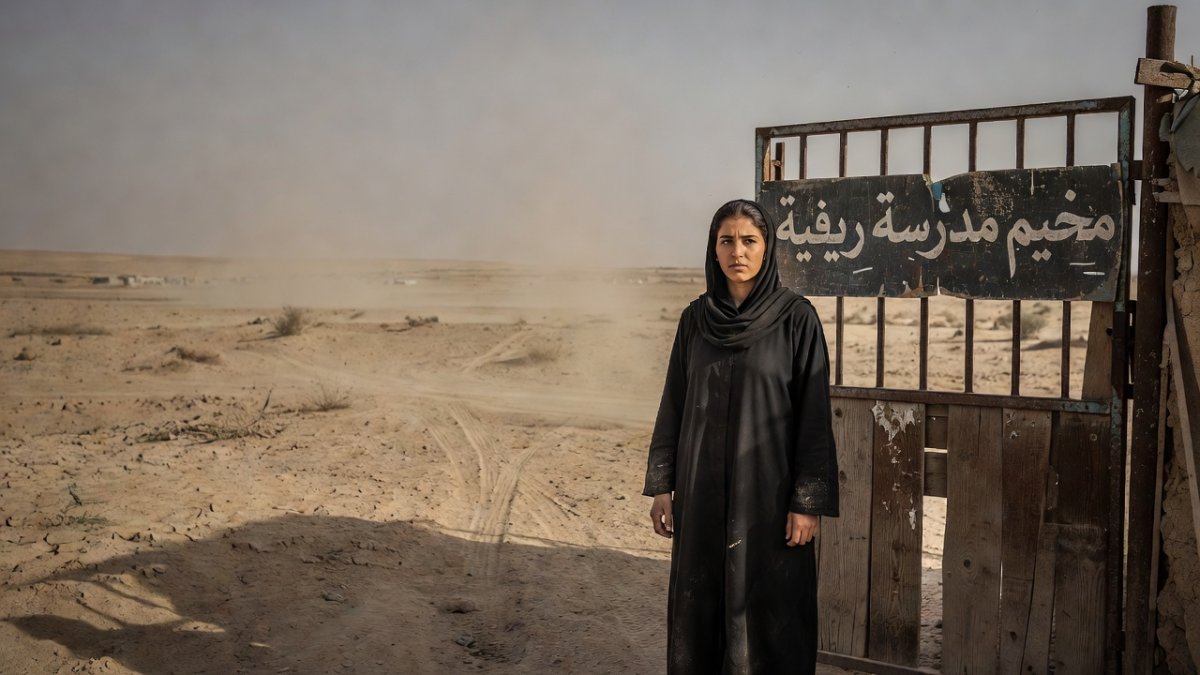
The Displacement from Taiz to al-Safia
Afnan al-Soroori, 22, once lived a comfortable middle-class existence with her family in Taiz, Yemen's third-largest city. As the eldest of five siblings, she balanced her studies at Taiz University with helping around the house, where electric appliances eased daily tasks that might otherwise have felt overwhelming. Her life allowed her to move about more freely, spending time with other female students and wearing clothes common to more liberal and fashionable Yemeni women. This relative independence and security changed abruptly when Houthi rebels advanced toward her home. The family fled 65 kilometres away, taking shelter in a makeshift camp set up inside a school in the al-Safia area. They left all possessions behind, and Soroori's father has not been able to work since the displacement. The sudden loss of their home and stability has placed the entire family in a precarious position, with Soroori and her sisters now confined to the camp environment. The journey itself marked a sharp break from everything familiar, forcing them into a setting where basic survival replaces the routines of university life and household comfort. Soroori's role as the eldest has meant carrying additional emotional weight as the family adjusts to this new reality far from Taiz. The distance of 65 kilometres represents not only physical separation but also the rupture of social networks and educational opportunities that once defined her days. Without her father's ability to earn an income, the family depends entirely on whatever limited aid reaches the school camp, deepening the sense of vulnerability that has accompanied their flight from the advancing conflict.
Surviving Without Modern Amenities
Soroori now cooks meals in a makeshift oven fashioned from two stones placed next to firewood, a stark departure from the electric appliances that once made household chores manageable. She washes clothes by hand in a large bowl in the school's courtyard, and her hands have grown hard from the constant manual labour. What she hates most is her total lack of independence after the displacement. The contrast between her previous middle-class life and the current dawn-to-dusk chores highlights the depth of the adjustment required. In Taiz, electric appliances reduced the physical toll of domestic work, allowing time for studies and social connections with other female students. Now every task demands sustained physical effort under conditions that leave little room for rest or personal pursuits. The family must adapt to preparing food without modern conveniences, gathering firewood, and maintaining cleanliness through repeated hand-washing that hardens the skin over time. Soroori finds the shift to domestic work without electric appliances particularly difficult, yet the physical demands represent only part of the burden. The absence of familiar tools transforms routine activities into exhausting ordeals that consume the entire day. This new rhythm of survival leaves little space for the educational aspirations she held as a university student, replacing them with repetitive labour that tests both body and spirit. The courtyard washing and stone-based cooking serve as constant reminders of how far the family has fallen from the relative ease of their former existence in Taiz.
Harassment at the Camp Gates
Soroori has described her inability to leave the camp without facing harassment. "I'm finding it hard to adapt to domestic work without electric appliances, but the worst thing is that I cannot leave the camp," she said. "If I try to leave, I will find several youths waiting to harass me." As soon as she steps outside, young men crowd around and either shout abuse or make inappropriate sexual advances. "If you leave the camp, especially in the afternoon, you will hear bad words and see obscene gestures. Once this happens, it forces you to stay in the camp and not leave again." The clothes she wore in the city make her a target for this treatment. Many middle-class women in Taiz wear an abaya that leaves the face exposed, whereas in the countryside women wear more conservative dress covering the entire face. This difference in attire draws unwanted attention from local youths who gather at the camp gates. The harassment creates a cycle of confinement, where any attempt to step beyond the school grounds results in verbal abuse or sexual advances that drive her back inside. Soroori's account reveals how the combination of visible city clothing and the rural setting turns ordinary movement into a source of fear and restriction. The afternoon hours appear especially dangerous, with groups of young men positioned to intercept women attempting to leave. This environment eliminates the independence she once took for granted in Taiz, replacing it with enforced isolation that compounds the trauma of displacement. The abaya distinction underscores how visible markers of her urban background become triggers for hostility in the al-Safia area.
Appeals Rejected: Tribal Elders and Village Mosques
Soroori's father appealed to local tribal elders to tell young men to treat women from the city with respect, but their calls went unheeded. Most men lashed out at the women, saying they dress and behave inappropriately. "We went to the mosques in the village and told the religious people about this problem, but all of them were against the women and criticised their fashionable clothes and loud voices," he told Middle East Eye. Since then, he has told his wife and three daughters to stay in the camp until they can return to Taiz. The rejection of these appeals has left the family with no external protection against the harassment at the gates. The father's efforts to seek mediation through traditional and religious channels met uniform opposition that placed blame on the displaced women rather than addressing the behaviour of the local youths. This response has reinforced the decision to confine the women indoors, removing any possibility of independent movement. The criticism of fashionable clothes and loud voices reflects a broader unwillingness to accommodate the different social norms brought by families from Taiz. By directing anger at the women instead of curbing the abuse, the elders and mosque leaders have effectively endorsed the harassment as a means of enforcing conformity. The father's statement captures the complete lack of support encountered when he sought help for his wife and daughters. This outcome has solidified the camp as both a physical shelter and a site of enforced seclusion, with no avenue for the women to regain even limited freedom of movement.
Mariam Abdul-Qader: Even Changing Clothes Does Not Help
Mariam Abdul-Qader, 23, has resorted to wearing the same clothes as rural women, but youths still recognise her by her sandals and shout abuse. "I tried to wear the same dress as the women in the al-Safia area, but the awful young men seem to recognise us just from the way we walk and even from the sandals we wear as I do not have the plastic shoes worn by the women here," Abdul-Qader said. "I hate this atrocious war that drove us away from our houses and forced us to accept life among these savage people who don't appreciate our suffering." Her attempt to blend in through clothing changes has proven insufficient against the scrutiny directed at displaced women. The recognition based on gait and footwear reveals how deeply the local youths monitor and target those who arrived from Taiz. Abdul-Qader's words express the profound frustration of being identified and harassed despite efforts to adapt to local expectations. The war has stripped her of her home and placed her in an environment where even small visible differences invite hostility. Her anger centres on the dual injustice of displacement and the lack of empathy from those around the camp. By describing the people as savage and unappreciative of suffering, she highlights the emotional toll of living under constant threat of verbal and sexual harassment. The sandals and walking style serve as unintended markers that undermine any attempt at camouflage, leaving her exposed to the same abuse faced by other women from the city. This experience underscores the impossibility of escaping the stigma attached to displaced families in the al-Safia area.
Local Leadership Blames the Victims
A local sheikh, Mohammed Gobah, told Middle East Eye that sexual harassment had become a major problem in the area, but he blamed the "immodesty" of the city women. This stance from a figure of authority reinforces the pattern of holding displaced women responsible for the abuse they endure rather than confronting the perpetrators. The acknowledgment of harassment as a significant issue exists alongside an insistence that the women's clothing and behaviour provoke the incidents. Such framing shifts attention away from the actions of local youths and places the burden of prevention on the victims themselves. In the broader context of displacement and confinement, this leadership response deepens the isolation already imposed on families like Soroori's. Women are expected to remain inside the camp indefinitely, with no mechanisms offered to ensure safe movement or accountability for those shouting abuse and making advances. The sheikh's position mirrors the earlier rejections from tribal elders and mosque leaders, creating a consistent message that the displaced women must change to avoid mistreatment. This approach sustains the limbo in which the women live, trapped between the war that forced their flight and a local environment unwilling to extend basic protection or respect. The result is a system of confinement justified through victim-blaming that prevents any resolution to the daily harassment at the camp gates.
A Life in Limbo
The women displaced from Taiz remain trapped inside the school camp in al-Safia with no clear timeline for return. The dual burden of war-induced displacement and societal blame has created an existence defined by restriction and repeated rejection of their appeals for safety. Soroori and Abdul-Qader, along with other women in the camp, must navigate daily life without the independence they once knew, facing harassment whenever they attempt to step beyond the gates. The failure of local elders, mosques, and leadership figures to intervene on their behalf has left them with no option but to stay confined until conditions allow a return to Taiz. This limbo compounds the loss of home, education, and economic stability already suffered through the conflict. The women's voices document an injustice that extends beyond physical displacement to include the denial of dignity and freedom in their place of refuge. Without external support or changes in local attitudes, the cycle of confinement and harassment continues, leaving families in prolonged uncertainty about when or whether they will regain their previous lives.
By Fatima Al-Rashid, Staff WriterThis article was produced with AI-assisted research and editorial support. Reporting is based on sources cited in the article.
What's Your Reaction?
 Like
0
Like
0
 Dislike
0
Dislike
0
 Love
0
Love
0
 Funny
0
Funny
0
 Wow
0
Wow
0
 Sad
0
Sad
0
 Angry
0
Angry
0

Middle East Correspondent at Global1.News. Based in Beirut, covering politics, conflict, energy, and society across the Middle East. Brings context and depth to a region often reduced to headlines.















Comments (0)