
Baja California Governor Marina del Pilar Faces FBI Audio Scandal
Leaked audio recordings of Baja California Governor Marina del Pilar Avila have ignited a political firestorm in Mexico. Columnist Hector de Mauleon published the materials in El Universal. Analysis of the scandal's impact on US-Mexico relations and the 2027 gubernatorial race.
The Emergence of the Leaked Recordings
News of the leaked audio recordings has sent ripples through Mexican political circles and border communities alike. Columnist Héctor de Mauleón first published the materials in El Universal on July 13, 2026, bringing to light conversations that are now being investigated for their implications on cross-border relations. Families along the Baja California frontier, who already navigate daily challenges with water infrastructure and public security, find themselves once more at the center of national attention.
The recordings appear to capture discussions involving the 40-year-old governor and individuals who identified themselves as FBI agents or intermediaries. Details shared so far indicate that the governor inquired about possible charges and expressed openness to sharing information from state security coordination meetings. These elements are under review by relevant Mexican authorities as questions of authenticity and context continue to surface.
Reports suggest the recordings may have been obtained through espionage, though the precise method remains unclear and is part of ongoing examinations. In a region where trust between neighbors shapes everything from trade to family visits, such developments touch the heart of how ordinary Mexicans experience security and cooperation with the United States.
Border residents have long valued transparent dialogue between the two nations. The sudden appearance of these fragments has prompted quiet conversations in homes and markets about what genuine partnership should look like when it involves state leaders. For many families in Tijuana, Mexicali, and Ensenada, the daily rhythm of binational life now carries an undercurrent of uncertainty.
Content and Context of the Audio Discussions
Within the recordings, the governor is heard exploring avenues for potential cooperation while seeking clarity on any charges that might exist in the United States. The individuals on the other end of the conversation did not provide documentation or official identification, according to statements from the state government. This lack of formal verification is now being examined alongside the substance of the exchanges.
The governor reportedly indicated a willingness to share information drawn from state security coordination meetings — the Mesas de Seguridad that bring together federal, state, and municipal authorities to address public safety challenges. Such meetings involve multiple Mexican institutions responsible for security along the border with California, including SEDENA, SEMAR, the Guardia Nacional, and state police forces. Any sharing of this nature would normally follow established legal channels between the two countries.
It remains unclear what specific charges, if any, the governor could face in the United States. The absence of concrete details has left room for speculation, yet official responses emphasize that legitimate coordination always occurs within the legal framework recognized by both nations. The lack of formal documentation from the alleged FBI contacts has become a central point in the state government's defense.
These fragments, described by the administration as isolated, have nonetheless raised broader questions about how state officials engage with foreign agencies. In Mexican border towns, where economic development depends on stable relations, residents are watching closely for signs of continued cooperation that respects Mexican sovereignty. The case has also drawn comparisons to other instances where Mexican state officials have faced scrutiny over relationships with U.S. law enforcement.
Political Backlash from Opposition Leaders
Jorge Romero Herrera, national president of the Partido Acción Nacional (PAN), has publicly demanded that the governor request a leave of absence while the matter is clarified. "I made it clear that Marina del Pilar must request a leave while the audios are investigated," Romero wrote on X following a radio interview. His statements reflect the party's position that transparency must come first when national security issues arise. This call has resonated in political circles across Mexico.
PAN state leader Lizbeth Mata Lozano went further, directly accusing the governor of betraying Mexico. "We're talking about direct collaboration from a governor with private information of an institutional security nature, where she's willing to provide that information to shield herself from possible charges," Mata told ZETA magazine. Such strong language underscores the deep partisan divides that often surface during moments of crisis involving border states.
Romero further questioned whether the federal government's refusal to demand an explanation would constitute treason against the nation. "And if the federal government refuses to demand an explanation of the facts, wouldn't this constitute treason against the nation?" he asked. This rhetorical challenge has fueled debates in legislative sessions and community gatherings alike. It highlights how quickly local scandals can escalate into national conversations about accountability and the limits of state-federal relations.
Opposition voices have also referenced earlier calls, dating back to May 2025, for the governor's separation from security briefings. These demands illustrate a pattern of scrutiny that has followed Ávila Olmeda since her U.S. visa was revoked for undisclosed reasons — an event that itself raised questions among political observers about what U.S. authorities may have uncovered.
The Governor's Administration Responds
Baja California's government has confirmed that the recordings are authentic yet insists they represent only isolated fragments taken out of broader context. Officials stress that the individuals involved never supplied proper documentation or followed official requirements for any formal interaction. This clarification aims to reassure the public that no improper agreements were reached.
Governor Ávila Olmeda has stated that any legitimate coordination with foreign entities occurs strictly within the legal framework. She emphasized that cross-border security cooperation is routine for Baja California given its shared border with California. Any legitimate coordination, she stated, occurs "within the legal framework, through official channels and with full respect for the powers of each institution, under a clear principle: coordination and communication, but not subordination."
Earlier audio releases in June 2026 saw the governor acknowledge her voice while denying the existence of any secret agreements — "acuerdos en lo oscurito" as she described it in Spanish. The current fragments are being reviewed in light of those previous statements to determine consistency and full context. The governor said she determined during the meeting that any matter of such institutional nature should be handled strictly through proper legal channels.
State officials continue to emphasize their commitment to transparency and cooperation with federal Mexican institutions. In doing so, they seek to maintain public confidence among families who rely on stable governance for their livelihoods along the border. The governor has stated she remains calm and willing to respond to any questions presented formally by competent authorities.
Historical Context: Visa Revocation and Escalating Scrutiny
The U.S. revocation of the governor's visa in May 2025 for undisclosed reasons marked the beginning of heightened scrutiny. Since that time, PAN leaders have repeatedly called for her removal from security briefings, citing concerns over potential conflicts of interest. These developments form part of a longer timeline now being revisited by investigators and political analysts alike.
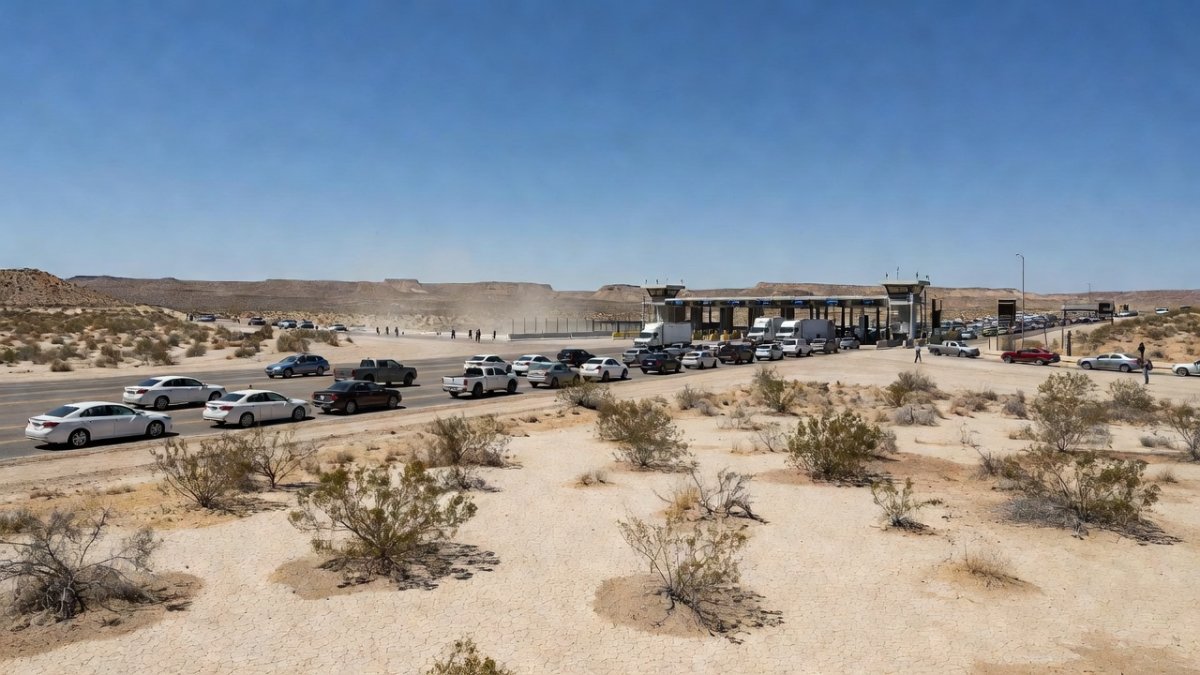
Baja California shares an extensive border with California — approximately 200 kilometers of shared frontier that makes cross-border security coordination essential for both nations. Challenges such as public security, water infrastructure, and economic development require ongoing dialogue between Mexican and U.S. authorities. Any disruption to this dialogue affects daily life for thousands of families who cross the border for work, school, and family connections.
Mexican institutions have historically managed such matters through formal channels that respect sovereignty. The current situation is being analyzed to ensure that future interactions continue to follow these established norms without compromising national interests. The case has also drawn attention from legal scholars who note the complex web of extradition treaties and bilateral agreements governing such interactions.
Communities on both sides of the border have grown accustomed to collaborative efforts that address shared concerns. The leaked recordings have introduced new uncertainty into these relationships, prompting residents to hope for swift clarification that preserves the mutual trust built over decades of binational cooperation.
Effects on Border Families and Communities
Ordinary Mexican families in Baja California wake each day to the realities of border life, where economic opportunities often depend on stable relations with the United States. The leaked audio scandal has introduced fresh worries about how political tensions might affect trade, travel, and family connections across the line. Tijuana, Mexicali, and Ensenada — cities whose economies are deeply intertwined with California — now watch as their governor's political future hangs in the balance.
Public security remains a top concern for residents who have long advocated for coordinated efforts between Mexican state authorities and U.S. agencies. When questions arise about the nature of those efforts, communities feel the ripple effects in their sense of safety and stability. The Mesas de Seguridad, which the recordings reference, are institutions that families have come to trust as mechanisms for cross-border crime prevention.
Water infrastructure projects and economic development initiatives also stand to be influenced by any cooling of relations. Families who depend on these improvements for their children's futures are following the story closely, hoping that institutional responses will prioritize their well-being over political maneuvering. The Colorado River water sharing agreement, housing development in the border zone, and cross-border healthcare access are all areas where stable state governance matters directly.
In markets and plazas throughout the state, conversations turn to the importance of leaders who act with transparency. Residents express a desire for accountability that strengthens rather than weakens the bonds between Mexico and its northern neighbor. For many, this scandal is not just about one governor — it is about whether the institutions that govern border life can withstand political crisis.
Questions of National Sovereignty and the Path Forward
The unfolding situation raises important questions about how Mexican officials should engage with foreign law enforcement while upholding national sovereignty. Calls from PAN leaders for explanations reflect a broader desire to protect the integrity of state institutions. The Sheinbaum administration's response — or silence — on the matter will be closely watched as a signal of how the federal government views state-level interactions with U.S. agencies.
Cooperation between Mexico and the United States has historically benefited border communities through joint efforts on security and economic issues. Any perception that such cooperation may have bypassed proper channels is now being examined with care by federal and state authorities. The case highlights the delicate balance between the practical necessities of cross-border collaboration and the legal frameworks designed to protect both nations' sovereignty.
As investigations proceed, the focus remains on ensuring that future coordination serves the interests of ordinary citizens who rely on stable, lawful relations between the two nations. Community voices remind leaders that their decisions ultimately shape daily life along the frontier. Governor Ávila Olmeda has said she is willing to cooperate with any formal investigation, and PAN's call for a leave of absence has not yet been answered by the governor or the federal government.
The next steps will likely involve federal Mexican authorities determining whether the conversations violated any laws, and whether the lack of formal documentation from the alleged FBI contacts changes the legal calculus. For now, families in Baja California continue their daily routines — crossing the border for work, sending children to school, and gathering in colonias and comunidades — hoping that the institutions they depend on emerge from this crisis stronger and more transparent.
Tags: Baja California, Marina del Pilar, FBI audio, leaked recordings, PAN Mexico, border security, US-Mexico relations, Governor scandal, Jorge Romero Herrera, Lizbeth Mata Lozano, Héctor de Mauleón, El Universal, extradition, visa revoked
By Rosa Martinez, Staff Writer
This article was produced with AI-assisted research and editorial support. Reporting is based on sources cited in the article.
What's Your Reaction?
 Like
0
Like
0
 Dislike
0
Dislike
0
 Love
0
Love
0
 Funny
0
Funny
0
 Wow
0
Wow
0
 Sad
0
Sad
0
 Angry
0
Angry
0
Latin America/Andes Correspondent at Global1.News. Based in Bogota, covering politics, environment, energy, and social movements across the Andean region. Passionate about environmental journalism and communities protecting their land.














Comments (0)