
Cuba's Power Grid Collapses Again — Third Nationwide Blackout in Nine Days Deepens Island's Energy Catastrophe
Cuba national power grid collapsed for third time in nine days on July 14 leaving 10 million without electricity driven by US oil blockade and aging infrastructure with Mexico caught between humanitarian solidarity and US tariff threats
In a recent DW News report, the world watched as Cuba's national electric grid suffered yet another catastrophic failure — its third total collapse in just nine days. For the nearly 10 million people living across the island, this is not just an inconvenience. It is a rolling humanitarian crisis fueled by a tightening US oil blockade, crumbling infrastructure, and a government struggling to keep the lights on.
Cuba's Power Grid Collapses Again — Third Nationwide Blackout in Nine Days Deepens Island's Energy Catastrophe
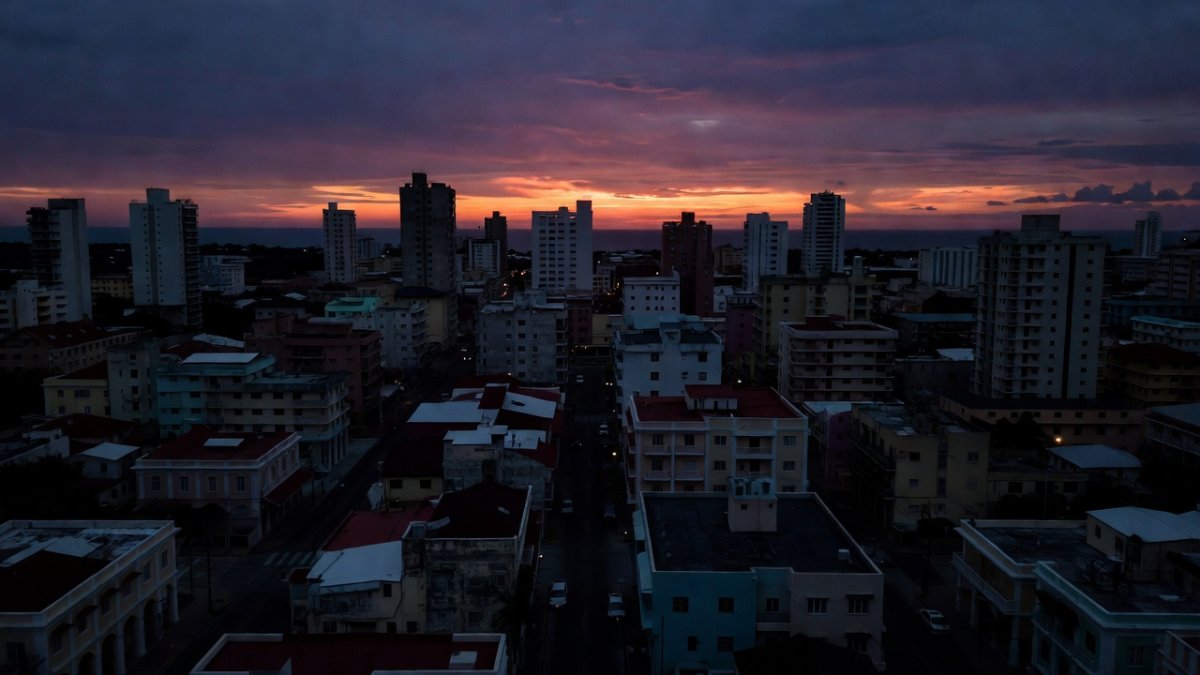
Havana, Cuba — July 15, 2026 — Cuba's National Electric System (SEN) suffered a complete disconnection on Tuesday, July 14, marking the third nationwide blackout in just over a week. The outage began around 11:00 a.m. local time, plunging the entire island of approximately 10 million people into darkness and bringing economic activity, water pumping, food preservation, and communications to a grinding halt.
The Collapse: What We Know
Cuba's Energy Ministry confirmed the total disconnection of the SEN in a statement published on social media Tuesday morning. "There has been a total disconnection of the electrical system," the ministry reported, without immediately identifying the exact cause of the latest failure. Energy Minister Vicente de la O Levy said officials were working urgently to restore power and that emergency "microsystems" had been activated to maintain electricity for hospitals, water treatment plants, and other vital services.
The July 14 collapse follows two previous grid failures on July 6 and July 10-11. In total, Cuba has now suffered five total SEN collapses in 2026 alone and ten since the energy crisis began intensifying in 2024. Each successive blackout has lasted longer and taken more effort to restore, as fuel reserves run critically low and aging thermal plants break down under the strain.
Root Causes: Oil Blockade and Crumbling Infrastructure
The root cause of Cuba's accelerating energy crisis is twofold: a devastating US oil blockade and decades of underinvestment in power generation infrastructure. In January 2026, President Donald Trump issued Executive Order 14380, declaring a national emergency with respect to Cuba and authorizing tariffs on any third country that supplies oil to the island. The order effectively blockaded Venezuelan and Mexican petroleum shipments that had kept Cuba's grid operational for years.
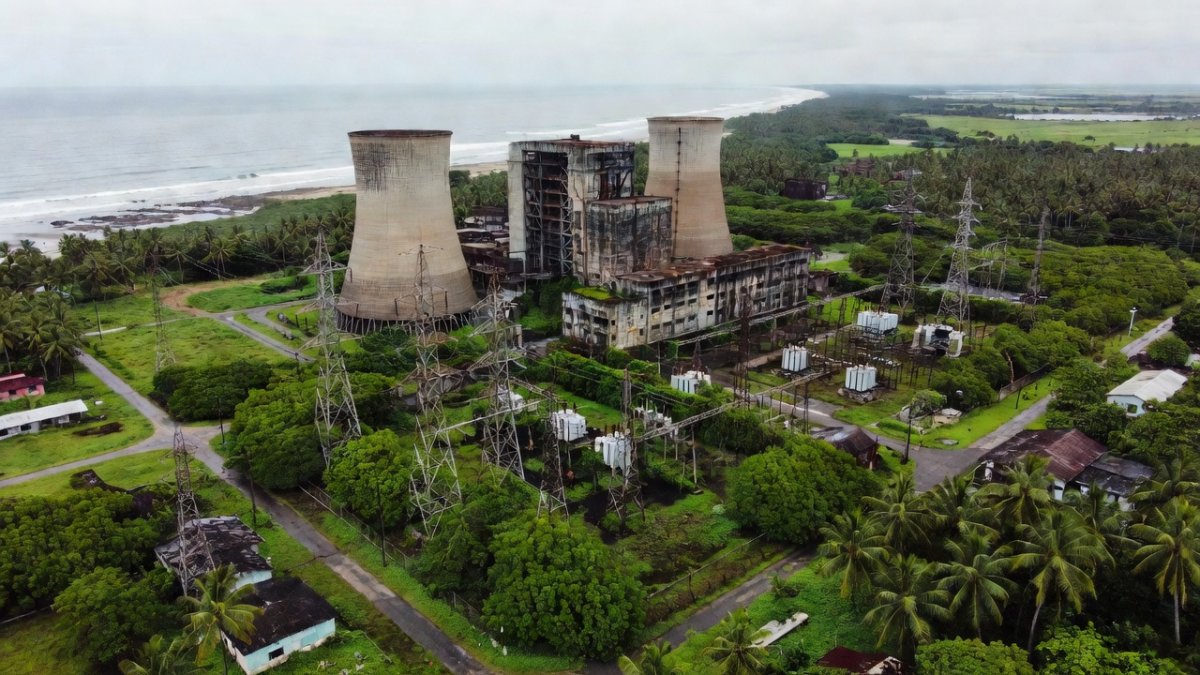
The timing could not have been worse. Earlier in 2026, US intervention in Venezuela removed the Nicolás Maduro government, and with it, Venezuela's subsidized oil shipments to Cuba — historically the island's primary source of petroleum. Cuba, which depends almost entirely on imported fuel to generate electricity, lost its two largest suppliers within months. The Antonio Guiteras Thermoelectric Power Plant, the largest power station on the island and a frequent source of breakdowns, has been operating far below capacity due to lack of fuel and spare parts.
Mexico's Delicate Position: Solidarity Under Threat
For Mexico, Cuba's crisis presents an agonizing diplomatic and economic dilemma. Under the administrations of former President Andrés Manuel López Obrador and current President Claudia Sheinbaum, Mexico has maintained a longstanding policy of solidarity with Cuba. In December 2025, Mexico sent 80,000 barrels of oil from Petróleos Mexicanos (PEMEX) to the island — a shipment that Sheinbaum defended as a continuation of decades of Mexican humanitarian tradition dating back to the presidency of Carlos Salinas de Gortari.
But Trump's Executive Order 14380 has put Mexico in an impossible position. The threat of US tariffs on Mexican goods — the country's primary export market — has forced the Sheinbaum administration to quietly review whether it can continue sending fuel to Cuba without provoking devastating economic retaliation. In January 2026, Sheinbaum revealed that the Trump administration had blindsided Mexico with the executive order, catching Mexican officials off guard and leaving the country scrambling to balance its humanitarian commitments against its economic survival.
AMLO, now out of office but still a powerful voice in Mexican politics, has publicly called on Mexicans to send humanitarian aid to Cuba. However, official government fuel shipments have slowed significantly as Sheinbaum's administration navigates the treacherous waters of US-Mexico trade relations under Trump's maximum pressure campaign.
Impact on Cuban Families: Life Without Power
For ordinary Cubans, the blackouts are not abstract geopolitical events — they are a daily struggle for survival. Without electricity, water pumps stop working, leaving millions without running water. Refrigerators and freezers become useless, causing food spoilage in a country already facing severe shortages. Medical facilities that relied on the grid for refrigeration of vaccines and medications are now dependent on backup generators running on rapidly depleting fuel reserves.
In Havana's historic colonias, families have returned to pre-industrial survival methods: cooking over open fires in patios, using candles and kerosene lamps for light, and lining up at communal wells for water. Small business owners — the owner of a corner bodega, a tortillería operator, a taquería cook — have watched their perishable inventories rot. The blackouts have struck during the Caribbean summer, when temperatures regularly exceed 32°C (90°F), making life without fans or air conditioning not just uncomfortable but dangerous, particularly for the elderly and young children.
INEGI-style reporting from Cuban civil society organizations estimates that the economic losses from the three July blackouts alone could exceed $500 million, dealing a devastating blow to an economy already contracting under the weight of six decades of sanctions and the latest blockade.
Reactions and the International Response
Energy Minister Vicente de la O Levy attributed the grid's fragility directly to US policy, stating that the collapse was "exacerbated" by Washington's actions. At the United Nations earlier this month, Cuba rallied support against what it called the "ruthless" US blockade, with allied nations condemning the economic pressure campaign as a violation of international humanitarian law.
In Havana, the blackouts have sparked sporadic protests in working-class colonias, where residents have taken to the streets banging pots and pans — the traditional "cacerolazo" protest — demanding the government restore power and address the root causes of the crisis. While the protests have not reached the scale of the 2021 demonstrations, the growing frequency of blackouts is fueling deep frustration among a population that has endured years of rationing, shortages, and economic hardship.
Internationally, humanitarian organizations including the International Red Cross and various UN agencies have called for the unrestricted flow of fuel and humanitarian supplies to the island. Mexico's Secretaría de Relaciones Exteriores (SRE) has signaled continued diplomatic support for Cuba at the Organization of American States and the United Nations, even as physical fuel shipments remain in question.
What This Means for Latin America
Cuba's energy collapse carries profound implications for the entire Latin American region. If the US maximum pressure campaign succeeds in bringing about regime change in Havana, it would reshape the Caribbean geopolitical landscape — but at a catastrophic humanitarian cost. If it fails, a destabilized, desperate Cuba could trigger a new wave of migration across the Caribbean toward Mexico and the US southern border, replicating the 2021 and 2023 migration surges but on a potentially larger scale.
For Mexico, the stakes could not be higher. A complete Cuban collapse would place enormous pressure on Mexico's southern border and its humanitarian infrastructure, while also testing the Sheinbaum administration's ability to maintain an independent foreign policy in the face of overwhelming US economic power. The crisis also threatens to further destabilize the wider Caribbean, where other small island nations reliant on Venezuelan and Mexican energy support are watching Cuba's fate with growing alarm.
What to Watch For
In the immediate term, all eyes are on whether Cuba's Energy Ministry can restore the grid within 24-48 hours, as it managed to do after the previous two collapses. But the structural problem remains: without a guaranteed supply of fuel, the grid will continue to fail. The Sheinbaum administration's next move on fuel shipments will be closely watched in both Havana and Washington. Meanwhile, the UN Security Council is expected to take up the humanitarian situation in Cuba in the coming days, though US veto power makes any binding resolution unlikely.
For the 10 million Cubans living through this crisis, the question is not whether the grid will fail again — but when. And for Mexico and the wider Latin American community, the question is whether the international community will allow a humanitarian catastrophe to unfold just 90 miles from US shores.
By Rosa Martinez, Staff Writer
This article was produced with AI-assisted research and editorial support. Reporting is based on sources cited in the article.
What's Your Reaction?
 Like
0
Like
0
 Dislike
0
Dislike
0
 Love
0
Love
0
 Funny
0
Funny
0
 Wow
0
Wow
0
 Sad
0
Sad
0
 Angry
0
Angry
0

Latin America/Andes Correspondent at Global1.News. Based in Bogota, covering politics, environment, energy, and social movements across the Andean region. Passionate about environmental journalism and communities protecting their land.










Comments (0)