
Air Canada Flight Diverts After Captain's Mid-Flight Medical Emergency
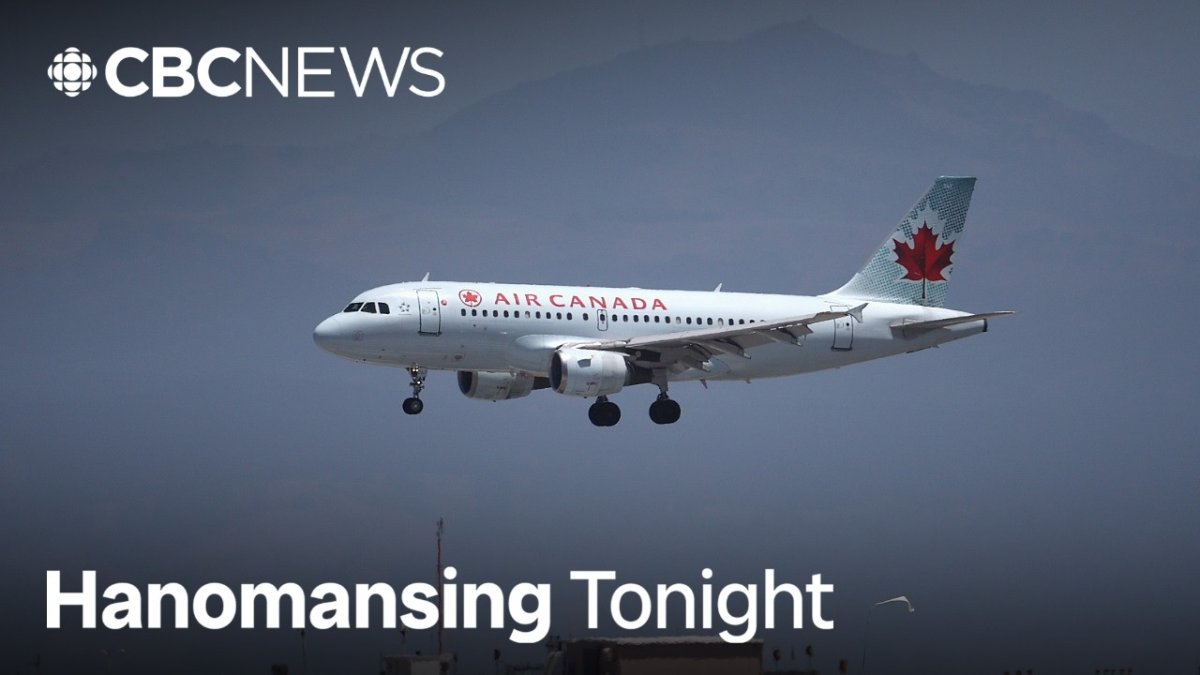
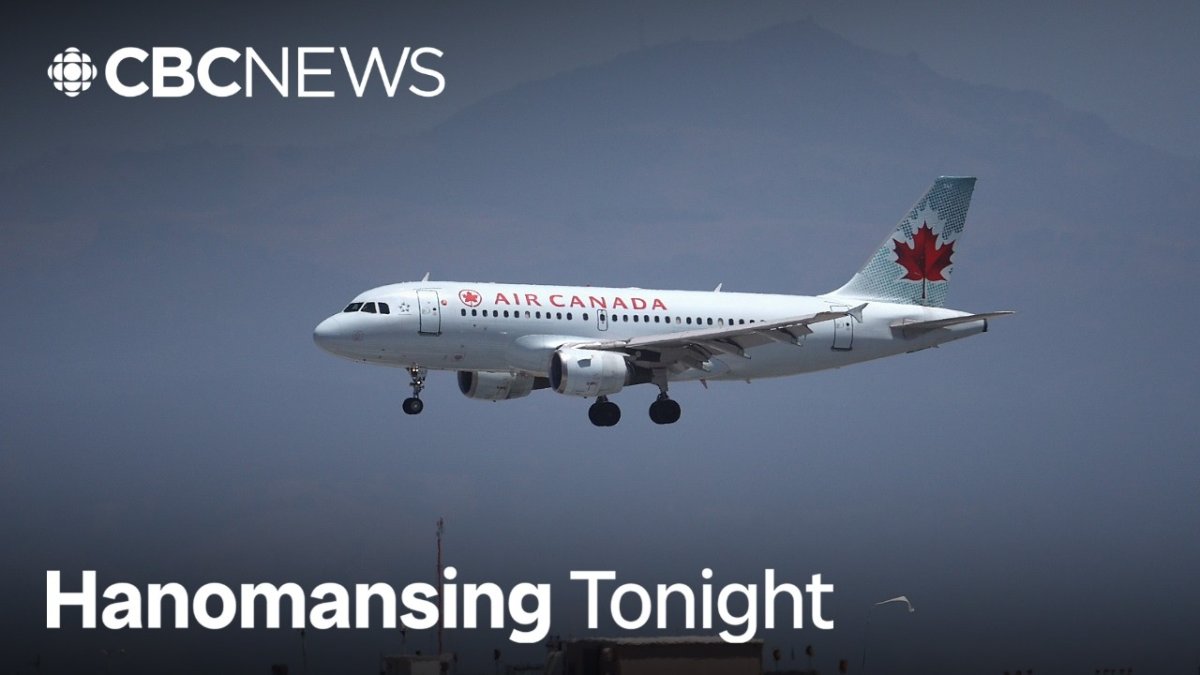
In the latest episode of CBC News Hanomansing Tonight, viewers learned how Air Canada Flight 7664, operated by PAL Airlines on a De Havilland Q400 twin-turboprop, faced a sudden medical emergency on its route from Newark Liberty International Airport to Halifax Stanfield International Airport. The June 24, 2026 incident required the first officer to assume sole control after th
In the latest episode of CBC News Hanomansing Tonight, viewers learned how Air Canada Flight 7664, operated by PAL Airlines on a De Havilland Q400 twin-turboprop, faced a sudden medical emergency on its route from Newark Liberty International Airport to Halifax Stanfield International Airport. The June 24, 2026 incident required the first officer to assume sole control after the captain became incapacitated, leading to a diversion to Boston Logan International Airport. This event underscores the rigorous training standards that Transport Canada enforces for Canadian carriers operating international routes.
Air Canada Flight 7664 Diverts to Boston After Captain Suffers Apparent Seizure Mid-Flight
Halifax, Nova Scotia - June 24, 2026 — Air Canada Flight 7664 departed Newark Liberty International Airport at 12:39 p.m. ET on Wednesday carrying 61 passengers aboard a De Havilland Q400 operated by regional partner PAL Airlines. The aircraft was bound for Halifax Stanfield International Airport in Nova Scotia when the captain experienced a medical issue that left him incapacitated. The first officer immediately took command and declared a diversion to Boston Logan International Airport at 1:40 p.m. ET, with the plane landing safely around 2:00 p.m. ET under clear weather conditions.
The Incident
The sequence began shortly after departure when the De Havilland Q400 encountered sudden violent swerving, according to a passenger account shared with ABC News. The captain had suffered an apparent seizure that rendered him unable to continue duties, prompting his removal from the cockpit under established safety protocols. Passengers then restrained the captain for at least 40 minutes while the first officer maintained control of the twin-turboprop aircraft on its path toward Canadian airspace.
Air Canada later confirmed that the captain was removed from the flight deck precisely because of the medical emergency, allowing the first officer to operate the aircraft alone. Massachusetts State Police verified that the captain was incapacitated, leaving the co-pilot to handle all flight responsibilities during the critical period. This rapid response prevented any escalation and kept the 61 customers on board secure throughout the event.
The incident highlights how Canadian aviation standards prepare crews for such scenarios on routes connecting the United States to Atlantic Canada. The experienced captain's sudden health issue occurred on a flight that normally crosses into Nova Scotia airspace, making the event directly relevant to federal oversight of Air Canada and its regional partners like PAL Airlines.
The Diversion and Response
At 1:40 p.m. ET the first officer declared the diversion to Boston Logan International Airport, where the aircraft touched down safely near 2:00 p.m. ET amid favourable clear weather. Massport Fire Rescue and Boston EMS personnel met the plane directly on the runway to provide immediate assistance. The captain was transported to Massachusetts General Hospital, though authorities have not released details about his condition.
After landing, the De Havilland Q400 was towed to a gate so the 61 passengers could disembark without further incident. The first officer's decision to divert rather than continue to Halifax Stanfield International Airport ensured access to immediate ground support in Boston. Air Canada noted that pilots receive specific training to land safely even when operating without a second pilot in the cockpit.
Aviation expert Patrick Smith observed that both pilots on the flight were fully qualified to operate the Q400 independently, though the workload increased significantly once the captain became incapacitated. The clear weather in Boston on June 24 eased the single-pilot landing, a factor that Transport Canada recognises when evaluating operational decisions on cross-border routes.
Pilot Training and Safety Standards
Transport Canada mandates that all pilots on Canadian-registered aircraft, including those operated by Air Canada and PAL Airlines, complete recurrent training for single-pilot operations in emergencies. The first officer on Flight 7664 demonstrated this capability by flying the De Havilland Q400 from the point of the captain's incapacitation through the safe landing at Boston Logan. Such standards exist because federal regulators understand that medical events can occur on any flight departing from Newark or arriving in Halifax.
The Air Canada statement emphasised that pilots are trained to manage the aircraft alone when necessary, a requirement that applies to the 61 customers who travelled on this particular service. This training aligns with broader Canadian expectations that crews maintain proficiency even on shorter regional sectors operated by turboprops like the Q400. The incident therefore serves as a practical test of those federal requirements rather than an exception.
Because the flight originated in the United States yet fell under Canadian regulatory authority, Transport Canada will examine how PAL Airlines implements these protocols on behalf of Air Canada. The event matters to Canadian readers because it directly tests the safety net that protects travellers on routes linking Atlantic Canada with major U.S. hubs.
Impact on Passengers
The 61 customers aboard Flight 7664 experienced the sudden removal of the captain and the subsequent diversion, with the aircraft remaining under the first officer's control for the remainder of the journey. After the plane reached the gate at Boston Logan, passengers disembarked while Air Canada arranged alternative travel to Halifax Stanfield International Airport. The carrier stated it is actively assisting all affected travellers with new bookings following the unscheduled stop.
The flight eventually departed Boston around 7:30 p.m. and arrived safely in Halifax that same evening, allowing most passengers to reach their intended destination without overnight disruption. For travellers connecting onward within Nova Scotia or to other Canadian centres, the airline's response focused on minimising further delays caused by the medical emergency. This handling reflects standard practice for Canadian carriers when incidents occur on international segments.
Passengers on this route often include business travellers and families moving between New Jersey and Atlantic Canada, making the safe outcome particularly significant for regional connectivity. The restraint of the captain by fellow travellers for at least 40 minutes added an unusual element to an otherwise routine flight that had departed Newark at 12:39 p.m. ET.
Aviation Safety in Canada
The Transportation Safety Board of Canada maintains jurisdiction over incidents involving Canadian airlines even when they occur outside national borders, including this diversion to Boston Logan. Air Canada's status as the country's flag carrier means any medical incapacitation on its flights receives federal scrutiny to identify whether existing medical certification processes require adjustment. The Q400 involved in the June 24 event operates under the same regulatory framework that governs larger jets on transcontinental routes.
Federal-provincial coordination also plays a role because Halifax Stanfield International Airport falls under Nova Scotia jurisdiction while Transport Canada sets national aviation rules. The incident therefore intersects with ongoing discussions about healthcare access for pilots and the adequacy of pre-flight medical screening across the industry. Canadian values of fairness and public safety demand that such events prompt transparent review rather than secrecy.
Patrick Smith's assessment that the clear Boston weather reduced complexity reinforces why Transport Canada emphasises scenario-based training for all pilots. The event on Flight 7664 provides concrete data for regulators examining how single-pilot operations function in real time on aircraft serving Atlantic Canada.
What Happens Next
Transport Canada has begun reviewing the circumstances surrounding the captain's incapacitation and the first officer's successful diversion of the De Havilland Q400. The agency will analyse cockpit voice and flight data recordings alongside statements from the 61 passengers to determine whether any procedural changes are warranted for PAL Airlines operations. Air Canada continues to support the affected travellers while cooperating fully with investigators.
Potential policy implications include enhanced medical monitoring requirements for captains on regional routes and updated guidance for passenger involvement when crew members become incapacitated. The safe arrival of the flight in Halifax that evening demonstrates that current standards functioned as intended, yet federal officials recognise the need to examine whether further safeguards could reduce future risks.
The incident on June 24 will inform ongoing discussions at the federal level about pilot health and emergency preparedness, particularly for carriers operating between the United States and Canadian airports such as Halifax Stanfield. Canadian travellers can expect updates from both Air Canada and Transport Canada as the review progresses in the coming weeks.
By Alex Thompson, Staff Writer
This article was produced with AI-assisted research and editorial support. Reporting is based on sources cited in the article.
What's Your Reaction?
 Like
0
Like
0
 Dislike
0
Dislike
0
 Love
0
Love
0
 Funny
0
Funny
0
 Wow
0
Wow
0
 Sad
0
Sad
0
 Angry
0
Angry
0

Canada Correspondent at Global1.News. Based in Toronto, covering Canadian politics, energy, trade, and US-Canada relations. Provides the Canadian perspective on North American and global affairs.















Comments (0)