
Sonali Bendre, Autophagy, and the Science of Intermittent Fasting: Experts Separate Evidence from Hype
Sonali Bendre 18-20 hour fasting routine sparks debate on autophagy. Indian experts from AIIMS, ICMR, and Tata Memorial Hospital weigh in.
When actor Sonali Bendre revealed in a July 2026 interview that she follows an 18- to 20-hour intermittent fasting routine as part of her post-cancer recovery, she inadvertently reignited one of the most consequential debates in metabolic health: does prolonged fasting — and the cellular process of autophagy it triggers — offer measurable therapeutic benefits, or has the science been oversold in popular wellness culture?
Sonali Bendre, Autophagy, and the Science of Intermittent Fasting: Experts Separate Evidence from Hype
New Delhi, July 15, 2026 — Bendre, who was diagnosed with stage IV metastatic cancer in 2018, told Mashable India that she fasts for 18 to 20 hours daily, consuming roughly one-and-a-half meals within a narrow eating window. She credited autophagy — the body's natural cellular recycling mechanism — as a key part of her healing journey. Her comments have sparked a national conversation, but medical experts from AIIMS, Tata Memorial Hospital, and the Indian Council of Medical Research (ICMR) caution that the science does not support fasting as a standalone therapy for cancer or chronic disease.
Understanding Autophagy: The Nobel-Winning Cellular Process
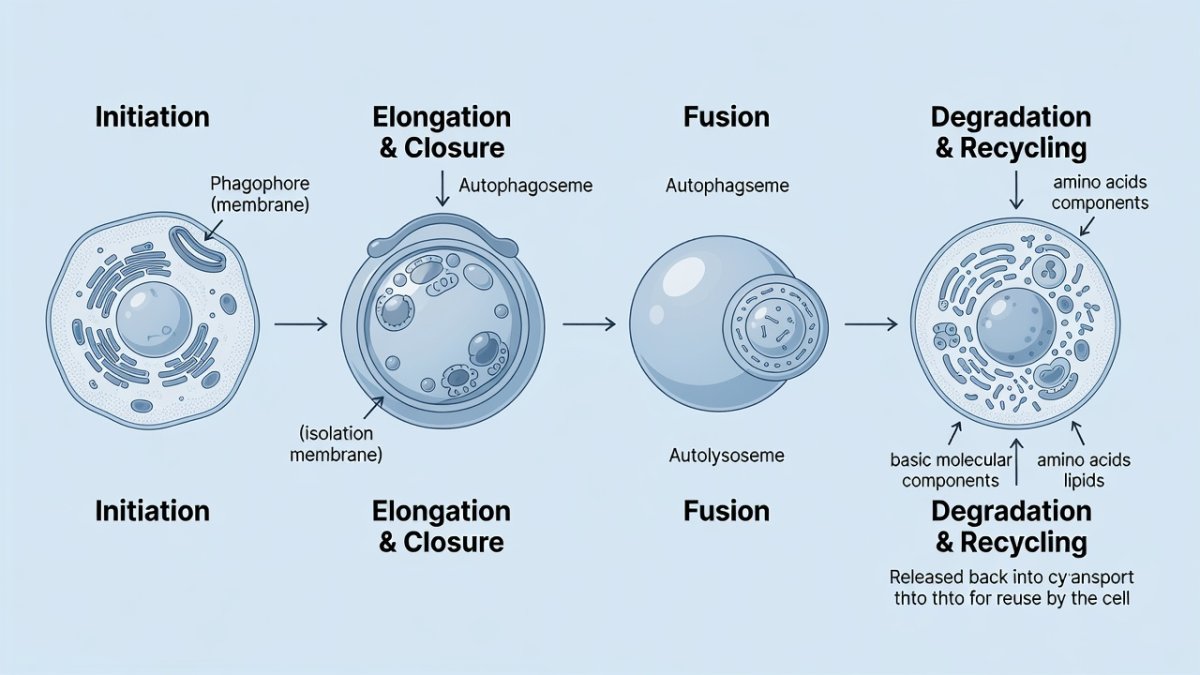
Autophagy, from the Greek words for "self-eating," is the body's mechanism for clearing out damaged cell components and recycling them into new, functional ones. Japanese biologist Yoshinori Ohsumi won the 2016 Nobel Prize in Physiology or Medicine for mapping the genetic pathways that regulate this process. Nutrition expert Neelanjana Singh describes autophagy as "repurposing old clothes into something useful" — a regulated process that slows down when we overeat and is activated during periods of caloric restriction.
"It's a regulated mechanism," Singh explains. "When we overeat, autophagy slows down. We don't want this process to go on at very high levels but only at a certain level, in a healthy rhythmic way. Some lifestyle choices like staying active and eating healthy, not overeating, time-restricted eating and intermittent fasting could be helpful sometimes. But for chronic diseases, it is not a cure of its own."
The Medical Consensus: What Autophagy Can and Cannot Do
Medical oncologist Dr Veenoo Agarwal is unequivocal: "Autophagy is not a standalone cancer treatment." While laboratory studies suggest that fasting may sensitise some tumour cells to chemotherapy, no large-scale Indian clinical trials at AIIMS or Tata Memorial Hospital have established autophagy induction as a replacement for standard oncology protocols. Bendre's recovery, while inspiring, reflects a combination of evidence-based medical treatment, lifestyle modification, and individual biology — not a reproducible therapeutic protocol.
The ICMR's dietary guidelines continue to emphasise balanced macronutrient intake over extreme fasting regimens, particularly for patients undergoing active cancer treatment. "Celebrity wellness routines should not be mistaken for medical prescriptions," Dr Agarwal warns.
Intermittent Fasting Patterns and India's Metabolic Health Crisis
India now records over 101 million people living with type 2 diabetes, according to ICMR-National Institute of Nutrition data, concentrated in states such as Tamil Nadu, Maharashtra, and Uttar Pradesh. Obesity rates have risen alongside widespread micronutrient deficiencies, creating a complex public health challenge. Common intermittent fasting protocols — 16:8 and 18:6 — have gained popularity, but experts emphasise that longer fasting windows do not automatically translate to faster weight loss or better metabolic outcomes.
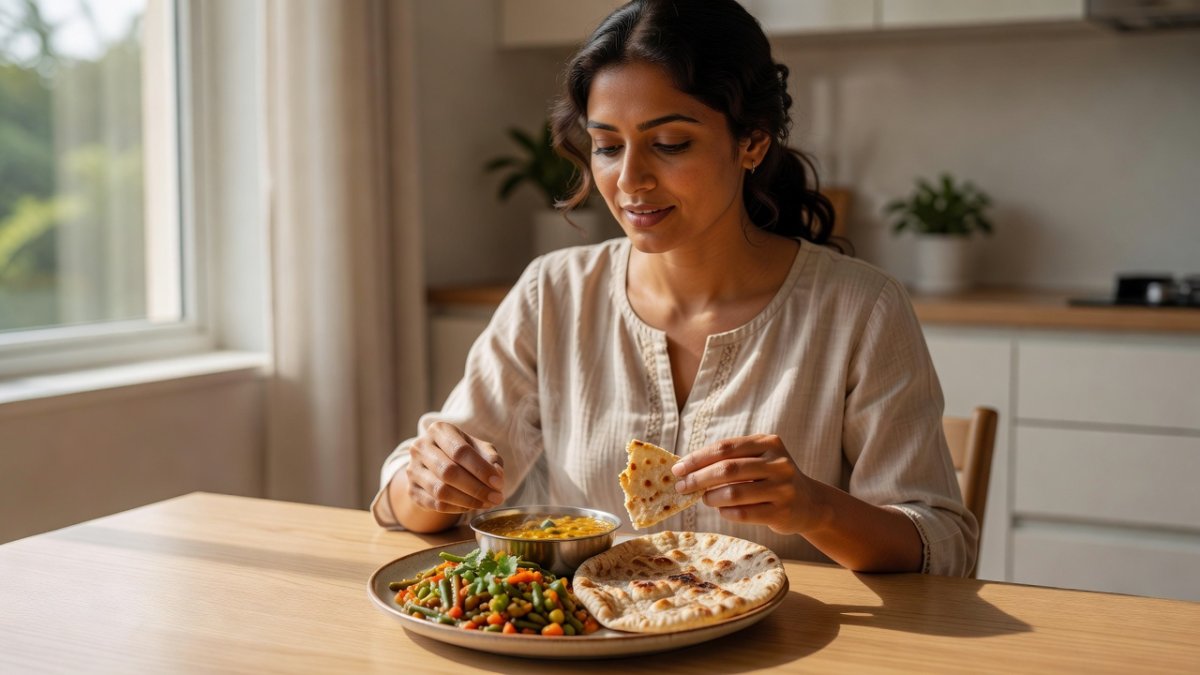
"The key factor remains maintaining a calorie deficit over time," explains a nutritionist at AIIMS. "Someone following an 18-hour fast can still gain weight if they consume excess calories during their eating window, while another person eating three balanced meals can lose weight by controlling portions and food choices." Extended fasting carries documented risks for diabetics on medication, pregnant women, the elderly at risk of sarcopenia (muscle loss), and patients recovering from illness.
Practical Guidance for Indian Patients and Citizens
ICMR experts recommend starting with a 12- to 14-hour overnight fast — finishing dinner early and delaying breakfast — and eliminating late-night snacking. This approach aligns with traditional Indian meal timing disrupted by urban work culture. Fewer than two full meals daily often results in inadequate protein, vitamin B12, iron, and calcium intake, particularly among women in the 35-55 age group.
"The goal is not to fast for the longest time," Singh emphasises. "It is to build habits that support long-term health — enough protein, vegetables, fibre, controlled portions of carbohydrates, and regular physical activity." Nutritionists at AIIMS advise monitoring via regular blood panels rather than adopting celebrity routines without supervision.

Policy Gaps and the Need for Structured Guidelines
The debate highlights significant gaps in India's integrative oncology services. The Ministry of Health's National Programme for Prevention and Control of Cancer, Diabetes, Cardiovascular Diseases and Stroke (NPCDCS) currently lacks structured guidelines on fasting protocols. States such as Kerala and Karnataka have piloted lifestyle clinics that incorporate time-restricted eating modules, but these programmes remain limited in scale.
Public health messaging must distinguish between laboratory mechanisms and clinical recommendations. The social media amplification of celebrity wellness practices without medical context risks spreading misinformation to millions of vulnerable patients. The Ministry of Health and the ICMR would do well to issue clear, evidence-based guidance on intermittent fasting for the general population and specific patient subgroups.
What This Means for Indian Healthcare
Autophagy remains a promising area of metabolic research with potential applications in ageing, neurodegeneration, and metabolic disease. For the majority of Indian citizens managing chronic disease risk, moderate time-restricted eating combined with ICMR-recommended diverse diets offers measurable benefits without the risks associated with extreme protocols.
Sonali Bendre's personal journey underscores the power of individual resilience and informed lifestyle choices. But it does not, and should not, redefine evidence-based cancer care pathways in India. The distinction between a personal wellness strategy and a medical recommendation matters — and it is a distinction that Indian patients, practitioners, and policymakers must maintain.
— By Dr. Raj Patel, Staff Writer
This article was produced with AI-assisted research and editorial support. Reporting is based on sources cited in the article.
What's Your Reaction?
 Like
0
Like
0
 Dislike
0
Dislike
0
 Love
0
Love
0
 Funny
0
Funny
0
 Wow
0
Wow
0
 Sad
0
Sad
0
 Angry
0
Angry
0

India/South Asia Correspondent at Global1.News. Analytical voice with a background in science and health journalism. Based in New Delhi, covering Indian politics, education, healthcare, technology, and policy. Breaks down complex data into clear, actionable reporting.














Comments (0)