
World Cup 2026: Trump Immigration Politics Hit Football
The 2026 FIFA World Cup kicked off across North America this week as the biggest tournament in football history — 48 teams, three host nations, and an unmistakable shadow hanging over the opening whistle. The Trump administration's hardline immigration policies have collided with the global spirit of the beautiful game, leaving African referees denied entry, Palestinian officia
The 2026 FIFA World Cup kicked off across North America this week as the biggest tournament in football history — 48 teams, three host nations, and an unmistakable shadow hanging over the opening whistle. The Trump administration's hardline immigration policies have collided with the global spirit of the beautiful game, leaving African referees denied entry, Palestinian officials stranded at the border, and South Africa's own Bafana Bafana caught in a visa saga before a single ball was kicked.
The World Cup Comes to Trump's America: Immigration Politics Collide with Football's Global Stage
Atlanta, Georgia – June 13, 2026 — The Al Jazeera English documentary "The World Cup comes to Trump's America" by Meenakshi Ravi captures the central contradiction of this tournament. The 2026 FIFA World Cup opened on June 11 across the United States, Canada, and Mexico with 48 teams competing for the first time. Yet the $70 billion immigration enforcement bill signed into law on June 10 has created immediate friction with the global game.
South African supporters woke to reports of their own national team caught in the crossfire before a single ball was kicked. The contrast between football's promise of unity and the reality of enhanced screening at US airports has left fans questioning how the sport can thrive under these conditions. For South Africans, the opening days of this tournament have felt less like a celebration and more like a test of resolve.
Bafana Bafana Hit by Visa Delays
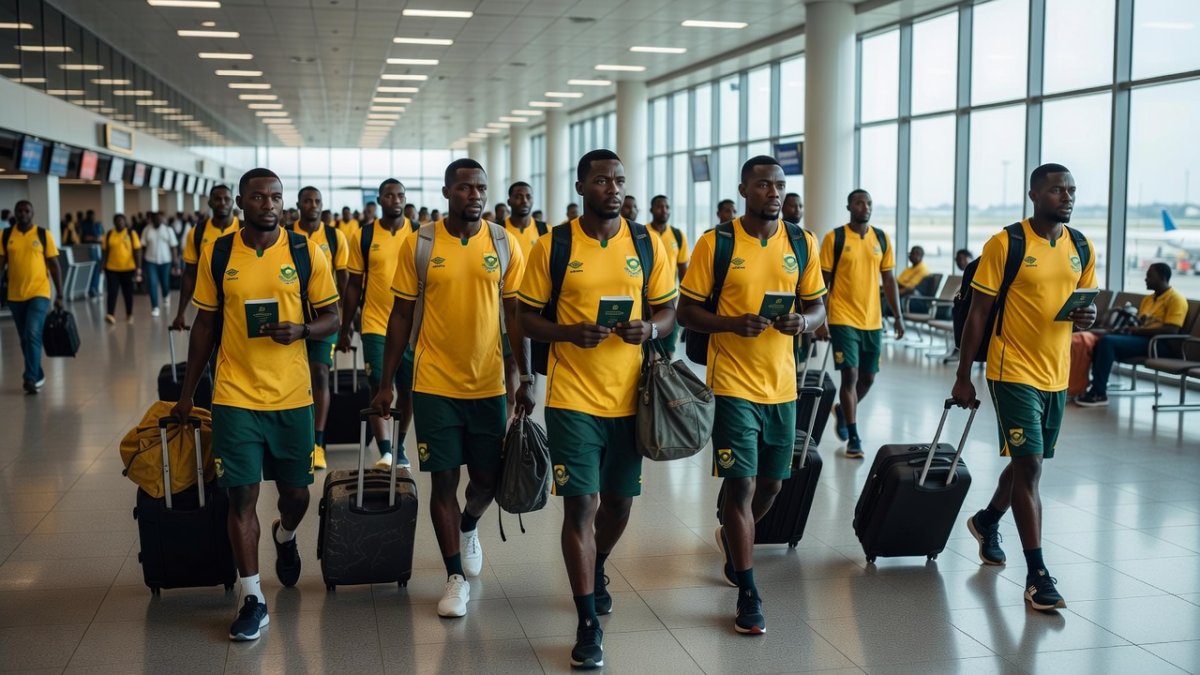
South Africa's national team faced visa processing setbacks that pushed their departure back by several days. Sports Minister Gayton McKenzie publicly criticised SAFA for the handling of the applications, stating that the country had been "made to look like fools" on the international stage. The delays came just as Bafana Bafana prepared to face Mexico at the iconic Azteca Stadium in Mexico City.
SAFA officials scrambled to resolve the paperwork while players waited in Johannesburg. The episode exposed ongoing weaknesses in the federation's administrative capacity at a time when South African football seeks to rebuild after years of underperformance in Africa Cup of Nations qualifiers. For a nation that hosted the 2010 World Cup with such pride and efficiency, the bureaucratic stumbles before the 2026 edition stung deeply.
Three Red Cards and a 2-0 Defeat
Bafana Bafana opened their campaign against Mexico on June 11 and suffered a 2-0 loss marked by three red cards. The match at the Azteca Stadium highlighted defensive lapses that left the South African side exposed against a well-organised Mexican attack. Players returned to the dressing room knowing their next fixture against the Czech Republic in Atlanta carries added pressure.
The result reverberated through South African football circles. Domestic clubs in the DStv Premiership now face renewed scrutiny over player development pathways that feed into the national team. Fans at home watched the match on SuperSport and voiced frustration at the lack of discipline shown on the pitch. For a team returning to the World Cup after 16 years, the opening performance was a sobering reminder of the gap that still exists.
Somali Referee and Palestinian Official Blocked
African Referee of the Year 2025 Omar Artan, the first Somali selected for a World Cup, was denied entry at Miami Airport. US officials cited inadmissibility due to vetting concerns and alleged associations. Artan received a hero's welcome upon his return to Mogadishu, yet his absence deprived the tournament of a qualified African official at a critical moment.
Palestinian Football Association president Jibril Rajoub attended the Mexico versus South Africa match in Mexico City but remains stranded there. His US visa was denied, preventing him from attending scheduled World Cup meetings. These cases have drawn attention from SAFA and other African federations concerned about similar treatment of their delegates. The message being sent to African football is unmistakable.
FIFA President Defends the Host Nation
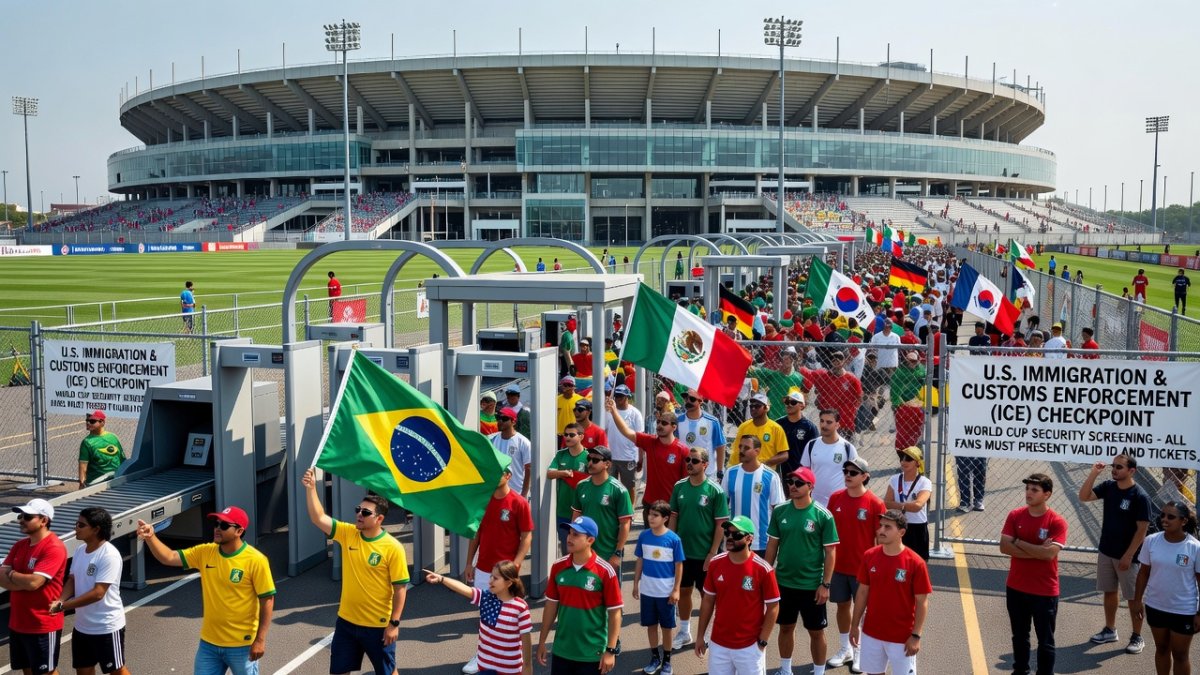
FIFA president Gianni Infantino stated that the organisation has no regrets about selecting the United States as a co-host. He acknowledged visa difficulties but insisted progress was being made. Infantino also defended dynamic ticket pricing that saw opening-match seats reach $1,200 to $1,350, arguing the market determined the cost.
The comments have not calmed concerns among South African supporters who remember the 2010 World Cup's role in boosting national pride. The current situation tests whether the tournament can still serve as a unifying force when entry barriers affect participants from the African continent. South Africa's own World Cup legacy — the vuvuzelas, the warmth, the sense of continental achievement — stands in stark contrast to the welcome African visitors are receiving in 2026.
Visa Bonds and the Iran Paradox
The Trump administration initially required a $15,000 visa bond for fans from five countries, including several African nations, who held World Cup tickets. The requirement was later waived after widespread backlash, yet the episode left many supporters uncertain about travel plans. Meanwhile, the United States will host Iran, a nation it remains in conflict with, marking the first such occurrence at a World Cup where a host nation is at war with a competing country.
South African football administrators have watched these developments closely. The MultiChoice Diski Challenge and grassroots programmes rely on international exposure to attract talent. Any perception that African teams and officials face extra hurdles risks discouraging young players from pursuing the game at the highest level. The message must be clear: African football belongs at the global table.
Implications for South African Sport
The visa controversies arrive at a time when SAFA seeks greater support from the Department of Sport, Arts and Culture. Transformation targets in domestic football remain a priority, yet administrative missteps at the national level undermine efforts to present South Africa as a reliable partner in global tournaments. The Bafana Bafana squad's delayed departure has already prompted calls for structural reform within the federation.
National pride in South African sport has long been tied to moments of collective achievement, from the Springboks' Rugby World Cup triumphs to the Proteas' battles on the cricket field. The 2026 World Cup was expected to offer another platform for unity. Instead, the early weeks have shown how external policies can disrupt that narrative and place additional strain on already stretched resources at SAFA and SASCOC.
What to Watch For
Bafana Bafana face the Czech Republic in Atlanta in the coming days, a fixture that could determine their path through the group stage. South African fans will monitor whether additional visa issues surface for players, staff or supporters travelling to US venues. The outcome of this tournament will shape how the country approaches future international football events and the ongoing work of building a competitive national team.
The World Cup was meant to be football's great unifier. In Trump's America, it has become something more complicated — a stage where the politics of immigration and the spirit of sport are locked in a battle for the soul of the tournament. South Africa, with its own complex history of overcoming division through sport, understands that battle better than most.
By Dante Williams, Staff Writer
This article was produced with AI-assisted research and editorial support. Reporting is based on sources cited in the article.
What's Your Reaction?
 Like
0
Like
0
 Dislike
0
Dislike
0
 Love
0
Love
0
 Funny
0
Funny
0
 Wow
0
Wow
0
 Sad
0
Sad
0
 Angry
0
Angry
0

Breaking News and Investigations Correspondent at Global1.News. Based in London, covering global breaking news, security, and investigative stories. Known for digging deeper and connecting the dots across continents.











Comments (0)