
Oil Spill Strains Neighbourly Ties Across the Gulf of Paria
The Incident Unfolds in Familiar Waters Early on the morning of May 1, workers at Heritage Petroleum spotted signs of trouble at the Main Field offshore site in the Gulf of Paria. By 7:25 a.m. the company had confirmed a spill, yet details stayed inside official channels for days. Trinidad and Tobago later described the release as a modest ten barrels that crews contained witho
The Incident Unfolds in Familiar Waters
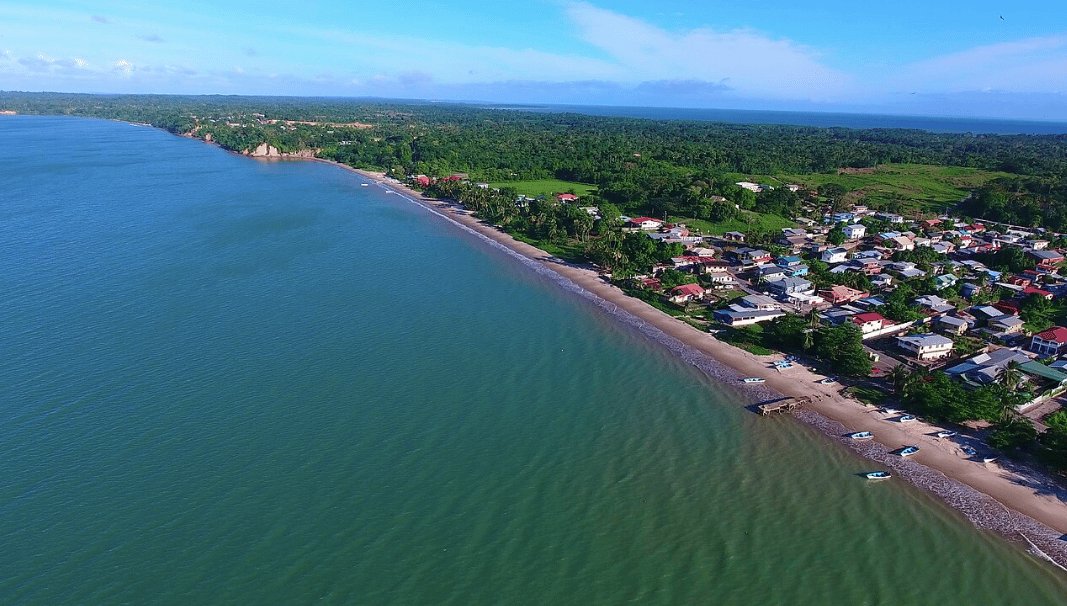
Early on the morning of May 1, workers at Heritage Petroleum spotted signs of trouble at the Main Field offshore site in the Gulf of Paria. By 7:25 a.m. the company had confirmed a spill, yet details stayed inside official channels for days. Trinidad and Tobago later described the release as a modest ten barrels that crews contained without delay, but the timing and location placed the hydrocarbons close enough to the maritime boundary that modelling showed they could drift across.
Residents along the south-west coast know these waters well. Fisherfolk from Icacos to Cedros have long shared stories of the Gulf as a single living space rather than two separate zones. When news finally reached the public, many wondered why the usual community alerts had not gone out sooner, especially in a region where livelihoods depend on clean seas and steady catches.
The delay turned a contained technical matter into a diplomatic concern. Venezuela’s formal demand for compensation arrived soon after, citing satellite images from May 2 and 3 that showed a more extensive slick than Port of Spain had acknowledged. The episode reminded everyone that the Gulf does not respect lines drawn on maps.
Venezuela Raises the Alarm
Caracas stated that the spill originated in Trinidadian waters and posed a clear risk to shared ecosystems on both sides of the border. Officials there pointed to the use of chemical dispersants roughly two nautical miles from the boundary as evidence that the response crossed into Venezuelan space. They called for compensation and stronger safeguards to protect fisheries and coastal habitats that both nations rely upon.
The language from Venezuela was measured yet firm, reflecting long-standing worries about pollution in the Gulf. For years, communities on the Venezuelan side have reported declining fish stocks and occasional sheens on the water. This latest event simply added fresh urgency to those longstanding complaints.
Trinidadian observers noted that the formal protest arrived through diplomatic channels rather than public confrontation, suggesting both governments still prefer quiet resolution over open argument. Still, the request for payment marked a clear escalation from routine environmental exchanges.
Trinidad and Tobago’s Account and Response
Port of Spain maintained that the spill remained minor and was handled swiftly. Heritage Petroleum deployed dispersants and monitored the slick, while internal modelling confirmed the possibility of cross-border movement. Government statements emphasised that no lasting damage had been recorded on the Trinidad side and that operations continued normally at nearby platforms.
Energy officials stressed the importance of the Gulf to the national economy. The offshore fields supply a steady share of the country’s gas and oil output, supporting jobs and revenue at a time when household costs for food and fuel remain high. Any prolonged shutdown or legal dispute could add pressure to an already stretched budget.
Nevertheless, the absence of immediate public disclosure drew criticism from within Trinidad itself. Former Energy Minister Stuart Young, now sitting in Opposition, called for a full inquiry into why information had been withheld until Venezuela spoke out. He argued that transparency protects both the environment and public trust in the energy sector.
Shared Ecosystems and Local Livelihoods
The Gulf of Paria supports fisheries, shipping lanes and energy installations that feed families on both coasts. Small-scale fishers in Trinidad often travel close to the boundary in search of snapper and shrimp, while Venezuelan vessels work the same currents from the opposite shore. A spill that drifts across that line threatens catches for everyone who depends on the water.
Climate change has already made these waters less predictable. Stronger storms and shifting currents increase the chance that any release will travel farther than models predict. Communities that once planned around seasonal patterns now face added uncertainty about when and where fish will appear.
Carnival celebrations and village regattas along the south coast highlight how deeply the sea is woven into daily life. When pollution threatens that connection, the worry spreads quickly through markets, churches and family gatherings. People remember past incidents and ask whether lessons were truly learned.
Political Voices and Calls for Accountability
Stuart Young’s demand for an investigation struck a chord with residents who feel left out of decisions about their own coastline. He questioned the chain of command that kept the spill quiet and urged both the government and Heritage Petroleum to explain the sequence of events. Such scrutiny reflects a wider desire for stronger oversight of the energy industry.
CARICOM partners have watched the exchange with interest, aware that similar shared zones exist elsewhere in the region. A clear notification protocol could serve as a model for other maritime neighbours facing comparable risks. Quiet diplomacy remains the preferred route, yet the episode shows that environmental incidents can quickly test those channels.
Opposition members and civil society groups have also linked the matter to broader questions of cost of living. Higher fuel prices already strain household budgets; any new environmental liability or production halt could push costs further. The public therefore has a direct stake in how quickly and openly such events are handled.
Looking Ahead to Stronger Regional Frameworks
The diplomatic row has exposed gaps in bilateral environmental governance that both nations now have an opportunity to close. Regular joint monitoring, shared satellite data and agreed notification timelines could reduce future misunderstandings. Energy companies operating in the Gulf would benefit from clearer rules that protect operations while reassuring coastal communities.
Trinidad’s energy sector remains central to national planning, yet the incident serves as a reminder that offshore work carries responsibilities beyond production targets. Climate pressures and the need for sustainable fisheries mean that environmental protection and economic activity must advance together rather than in competition.
Residents along both shores continue to hope for practical cooperation rather than prolonged argument. The Gulf has sustained generations of families through fishing, trade and energy work. Keeping those waters healthy requires steady communication and a willingness to act before small problems grow into larger ones.
By Sharon Sahatoo, Staff WriterThis article was produced with AI-assisted research and editorial support. Reporting is based on sources cited in the article.
What's Your Reaction?
 Like
0
Like
0
 Dislike
0
Dislike
0
 Love
0
Love
0
 Funny
0
Funny
0
 Wow
0
Wow
0
 Sad
0
Sad
0
 Angry
0
Angry
0

Caribbean Correspondent at Global1.News. Based in Port of Spain, Trinidad, covering Caribbean politics, economy, energy, climate, and culture. Amplifying the voices and stories of the Caribbean region.













Comments (0)