
Wole Soyinka Theatre: The 'Talent Factory' Behind Nigeria's Entertainment Boom
The Wole Soyinka Theatre at the University of Ibadan in southwest Nigeria has long been celebrated as one of the continent's most vital incubators for theatrical talent, and a new wave of productions including the African adaptation of Euripides' "Medea" — titled "Medaaye" — demonstrates why this seven-decade-old institution remains at the beating heart of West African performi
The Wole Soyinka Theatre at the University of Ibadan in southwest Nigeria has long been celebrated as one of the continent's most vital incubators for theatrical talent, and a new wave of productions including the African adaptation of Euripides' "Medea" — titled "Medaaye" — demonstrates why this seven-decade-old institution remains at the beating heart of West African performing arts.
Wole Soyinka Theatre: The 'Talent Factory' Behind Nigeria's Entertainment Boom
Ibadan, Nigeria — As the curtain rises on another season of groundbreaking productions, the Wole Soyinka Theatre continues to prove why it is regarded as one of Africa's most important institutions for performing arts education and professional theatre alike. From its founding in 1955 as part of the University of Ibadan's Department of Theatre Arts, this venue has trained generations of actors, playwrights, directors and technicians who now shape the continent's entertainment landscape from Lagos to Nairobi to Dakar.
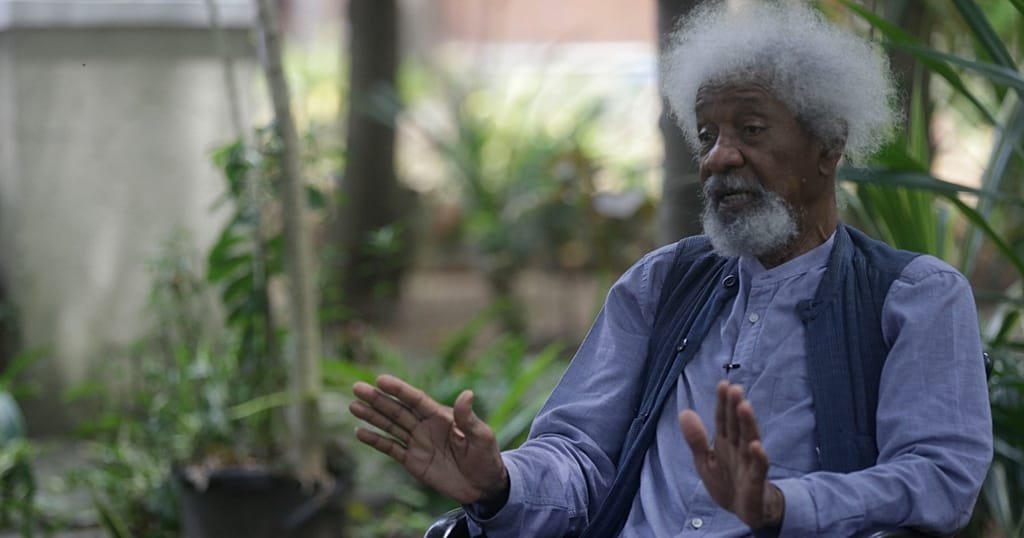
Seven Decades of Theatrical Excellence
The Wole Soyinka Theatre was founded in 1955 at the University of Ibadan in southwest Nigeria as part of the Department of Theatre Arts. This establishment marked a pivotal moment in African performing arts education during the early years of Nigeria's push toward independence.
Wole Soyinka, after whom the theatre is named, stands as the first African to receive the Nobel Prize in Literature in 1986. He himself was a former University of Ibadan student whose early experiences there shaped his groundbreaking plays and global literary voice.
Stage director Tunde Awosanmi, a University of Ibadan theatre instructor, has noted that the department "has produced actors and academics to develop the departments of theatre in every university in Nigeria." His observation underscores the institution's foundational role in building academic and professional capacity across the country.
The theatre has operated for seven decades since 1955, maintaining a continuous record of productions and training programs that few African venues can match. This longevity reflects sustained commitment from faculty and successive generations of students.
Media outlets including Africanews, African Insider and NTA have repeatedly described the venue as a "talent factory" fuelling Nigeria's entertainment boom. Such coverage highlights how the theatre supplies skilled professionals to film, television and stage industries nationwide.
Students travel from across Nigeria and neighbouring French-speaking countries to train at the theatre. This influx creates a diverse learning environment where regional perspectives enrich rehearsals and performances alike.
Compared with other African theatre institutions, the Wole Soyinka Theatre stands out for its integration of academic study with professional output. Venues in Accra or Nairobi often focus more narrowly on either training or production, whereas Ibadan combines both at scale.
The seven-decade record demonstrates resilience through political and economic shifts in Nigeria. Each decade has added new layers of repertoire while preserving core pedagogical methods that continue to attract ambitious young artists.
Medaaye: An African Take on a Greek Classic
The recent production Medaaye offered an African adaptation of Euripides' Greek tragedy Medea. This staging reimagined the ancient story through Nigerian cultural lenses while preserving its emotional intensity.
Dialogue alternated between English, Yoruba and Pidgin throughout the performance. This linguistic layering allowed audiences to experience both the classical text and contemporary Nigerian speech patterns in a single evening.
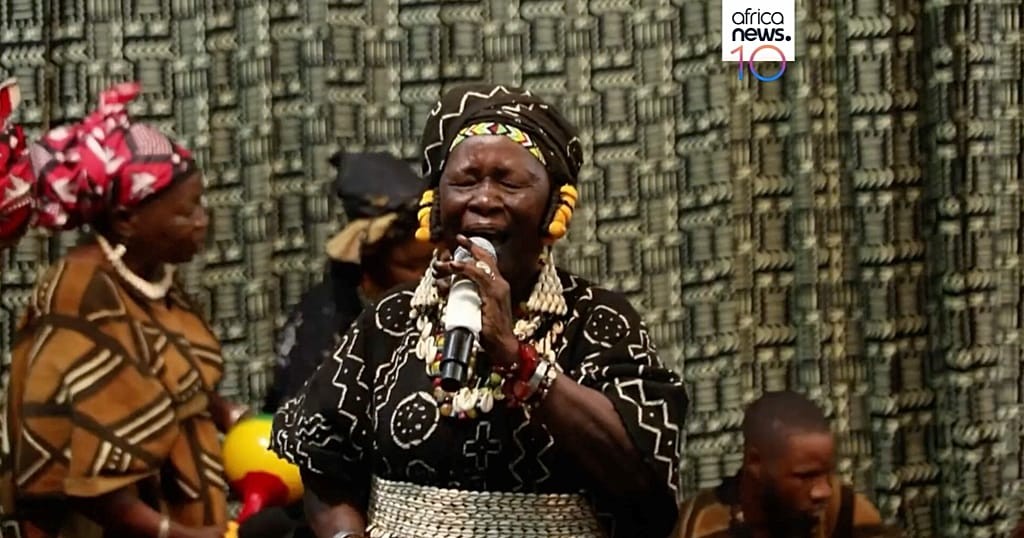
Songs and traditional dancing featured prominently, with musicians seated among the audience in the front row. Their placement blurred boundaries between performers and spectators, creating an immersive atmosphere rooted in communal African performance traditions.
The production ran for two and a half hours, giving performers time to develop complex character arcs and cultural references. Audiences remained engaged from the opening scene to the final confrontation.
Stage director Tunde Awosanmi guided the production with a focus on authentic African expression. His approach ensured that every element, from movement to music, reflected lived Nigerian realities rather than imported conventions.
Playwright Femi Osofisan, the first African to receive the Thalia Prize in 2016, wrote the adaptation. He studied and taught at Ibadan's theatre department, bringing decades of institutional knowledge to the project.
Osofisan was at the theatre for a week of events celebrating his 80th birthday. The timing allowed younger artists to interact directly with one of Nigeria's most influential living playwrights during rehearsals and post-show discussions.
This production demonstrates the theatre's commitment to reinterpreting classical works through African lenses. By transforming Medea into Medaaye, the institution affirms that universal themes gain fresh power when filtered through local languages, rhythms and histories.
A Pool of Talent: Students and Professionals Side by Side
Adebayo Israel, 21, a student actor, stated that "this is where I gained my confidence on stage." His experience illustrates how the theatre provides a supportive yet rigorous environment for emerging performers to develop presence and technique.
Iyanuoluwa Ajibike, 30, an actor and producer, described the venue as a "pool of talent because different people with different skills meet." She noted that actors, directors, costumers, make-up artists, light technicians, choreographers and sound designers all collaborate daily.
Oreoluwa Tayo, 22, an actor, hopes to venture into management and the business of theatre production. Her ambition reflects the theatre's role in preparing students for the full spectrum of industry roles beyond performance.
Professionals and students perform together in mainstage productions. This mixed casting model allows younger artists to learn directly from established practitioners during live shows rather than in classroom simulations alone.
The learning environment emphasizes practical problem-solving under real performance conditions. Students handle everything from set changes to audience interaction, building skills that transfer immediately to professional settings.
Comparisons to theatre training in Senegal reveal similar emphasis on collective creation. At institutions in Dakar, students also work alongside professionals, yet the Wole Soyinka Theatre offers larger production budgets and more frequent performance opportunities.
The presence of both groups fosters mentorship networks that extend beyond graduation. Many alumni return as guest artists or instructors, maintaining a continuous cycle of knowledge transfer within the Nigerian theatre community.
Such integration prepares graduates for the collaborative realities of African arts industries. Whether in Lagos film sets or festival stages across West Africa, alumni carry forward habits of shared creativity developed at Ibadan.
From Ibadan to Nollywood: Alumni Making Their Mark
Nollywood produces around 200 films per month, creating constant demand for trained performers and crew. The Wole Soyinka Theatre supplies a steady stream of graduates equipped to meet this volume.
Alumni include playwright Akinwumi Isola, actress Martha Ehinome and actor Gabriel Afolayan. Their careers demonstrate how foundational training at Ibadan translates into sustained contributions across stage and screen.
Ejirooghene Asagba found her footing at the Wole Soyinka Theatre before producing the play "Water" at New Culture Studios. She later appeared in the 2024 film "Funmilayo Ransome-Kuti", a biopic about Fela Kuti's mother, and the police series "Crime and Justice Lagos".
Asagba has stated that "it is important to tell Nigerian stories but also African stories because we often share the same challenges." Her perspective reflects the broader mission of many theatre alumni who see their work as contributing to continental narratives.
Her dream is to tour Nigeria and the continent, though "costs remain a hurdle." Touring expenses often limit how widely productions from Ibadan reach audiences in other African cities.
The play "House of Glass" by Tolu Fagbure premiered in June 2026 at the theatre. This new work continues the tradition of staging original Nigerian plays that address contemporary social issues.
Alumni frequently credit the theatre's emphasis on both craft and storytelling for their professional longevity. Skills in voice projection, ensemble work and cultural adaptation prove valuable whether on film sets or festival stages.
The pipeline from Ibadan to Nollywood and beyond illustrates the theatre's economic as well as artistic impact. Each graduate who succeeds multiplies opportunities for future students through industry connections and mentorship.
Drawing Audiences from Across the Continent
Esther Adelana, 29, a PR practitioner from Abuja, travelled more than 650 kilometres to watch productions at the theatre. Her journey highlights the venue's reputation as a destination worth significant effort.
Adelana said the theatre "epitomises African culture in all its intelligence and excellence." Her comment captures how audiences perceive the performances as embodiments of continental creativity rather than mere entertainment.
Audiences regularly arrive from French-speaking countries including Benin, Togo and Senegal. These visitors bring linguistic diversity that enriches post-show conversations and broadens the theatre's cultural reach.
The theatre serves as a pillar of Ibadan, anchoring the city's identity as a historic centre of learning and arts. Local businesses benefit from increased foot traffic during performance seasons.
Cultural tourism generated by the venue boosts the local arts scene through related events such as workshops and exhibitions. Visitors often extend their stays to explore Ibadan's museums and markets.
Comparisons with other cultural venues in West Africa, such as Théâtre National Daniel Sorano in Dakar, reveal parallel roles in national cultural life. Both institutions draw regional audiences while facing similar pressures around funding and infrastructure.
The steady flow of visitors from across Nigeria and neighbouring countries reinforces the theatre's status as a pan-African hub. Each season strengthens networks that support future collaborations between artists from different nations.
This audience diversity ensures that productions remain responsive to varied expectations. Directors and playwrights receive immediate feedback from spectators whose backgrounds span multiple linguistic and cultural traditions.
The Future of African Theatre at Wole Soyinka
The Wole Soyinka Centre is hosting its 18th annual lecture series in July 2026 under the theme "Beyond the Ballot: Measuring Democracy Through Security, Welfare, Accountability and Public Trust." The series connects theatre practice with broader civic discourse.
Tension exists between stagecraft traditions and Nollywood film dominance. Many graduates navigate both worlds, adapting live-performance techniques to camera work while preserving the immediacy of theatre.
Streaming platform opportunities offer new revenue streams for recorded productions. Several recent shows from the theatre have been adapted for digital release, reaching audiences beyond physical seating capacity.
Funding challenges and touring costs continue to constrain expansion. Artists often rely on university support and private sponsorship to mount ambitious works that could otherwise tour more widely.
The resilience of live performance remains evident in packed houses even as digital options grow. Audiences continue to seek the communal experience that only in-person theatre provides.
The Wole Soyinka Theatre model could inspire similar institutions across Africa. Its combination of academic rigor, professional output and regional outreach offers a template adaptable to cities from Accra to Nairobi.
Comparisons with theatre scenes in Dakar, Accra and Nairobi show shared challenges around resources yet distinct strengths. Ibadan's long institutional memory provides stability that newer programs elsewhere are still building.
Looking ahead, the theatre's continued emphasis on African reinterpretations of classic texts promises to keep its programming relevant. This approach ensures that future generations encounter both global heritage and local innovation on the same stage.
By Amara Diop, Staff Writer
This article was produced with AI-assisted research and editorial support. Reporting is based on sources cited in the article.
What's Your Reaction?
 Like
0
Like
0
 Dislike
0
Dislike
0
 Love
0
Love
0
 Funny
0
Funny
0
 Wow
0
Wow
0
 Sad
0
Sad
0
 Angry
0
Angry
0

West Africa/Sahel Correspondent at Global1.News. Dakar-based journalist covering politics, security, climate, and development across Francophone and Anglophone West Africa. Tells the stories of a region undergoing profound transformation.










Comments (0)