
Rajasthan Hospitals Under Scrutiny After 9 Maternal Deaths Trigger Negligence Probe
Nine women have died across two districts of Rajasthan in just six days — five at the Mahatma Gandhi Hospital in Bhilwara and four at a government hospital in Banswara — all following Caesarean deliveries, triggering allegations of medical negligence and exposing critical gaps in infection control and surgical capacity at district-level public hospitals in the state. Rajasthan
Nine women have died across two districts of Rajasthan in just six days — five at the Mahatma Gandhi Hospital in Bhilwara and four at a government hospital in Banswara — all following Caesarean deliveries, triggering allegations of medical negligence and exposing critical gaps in infection control and surgical capacity at district-level public hospitals in the state.
Rajasthan Maternal Deaths: 9 Women Die in Bhilwara and Banswara Hospitals Amid Negligence Allegations
Jaipur, Rajasthan – July 12, 2026 —
The Bhilwara Deaths: A Week of Tragedy
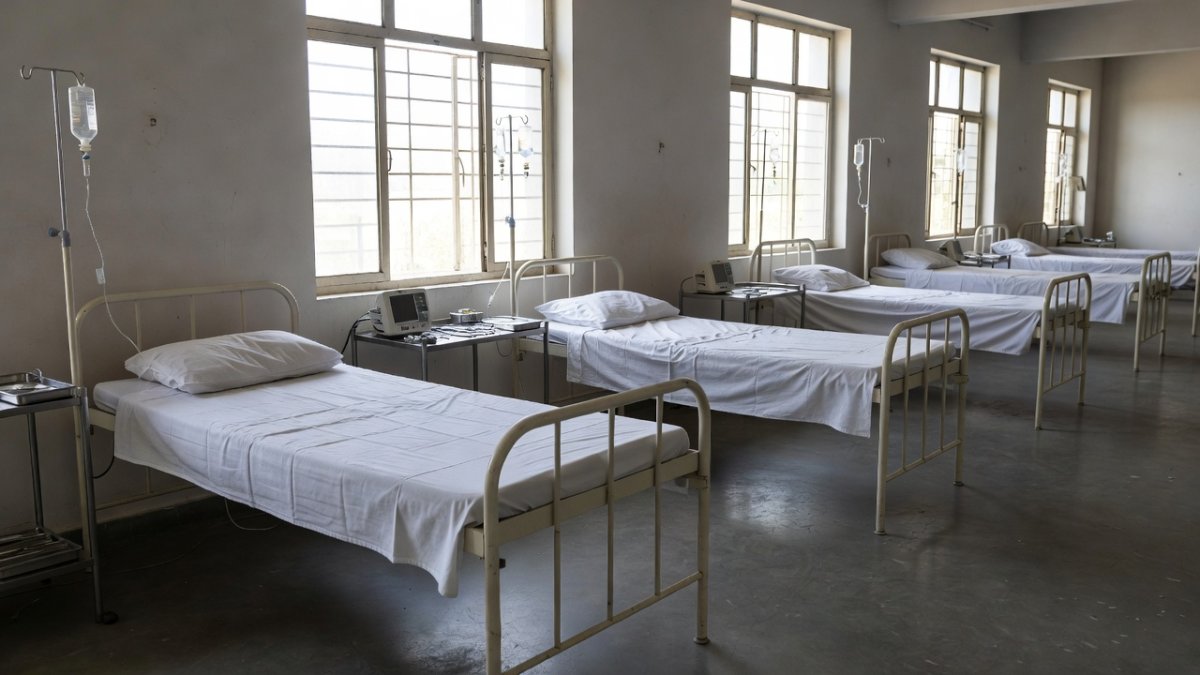
Between July 5 and July 10 2026, five women died at the Mahatma Gandhi Hospital MCH wing in Bhilwara after undergoing Caesarean deliveries. Sangeeta Jinagar, 32, from Potla village, died on July 10. Shimla Gurjar died on July 5, Phori Devi on July 7, Isha Pandey on July 8, and Divya on July 9. All five experienced rapid health deterioration following surgery.
These deaths occurred inside a single facility that handles high volumes of obstetric cases from across Bhilwara district. Families protested outside the hospital alleging delays in post-operative monitoring and lack of timely intervention when complications arose.
Surgical Capacity and Infection Control Concerns
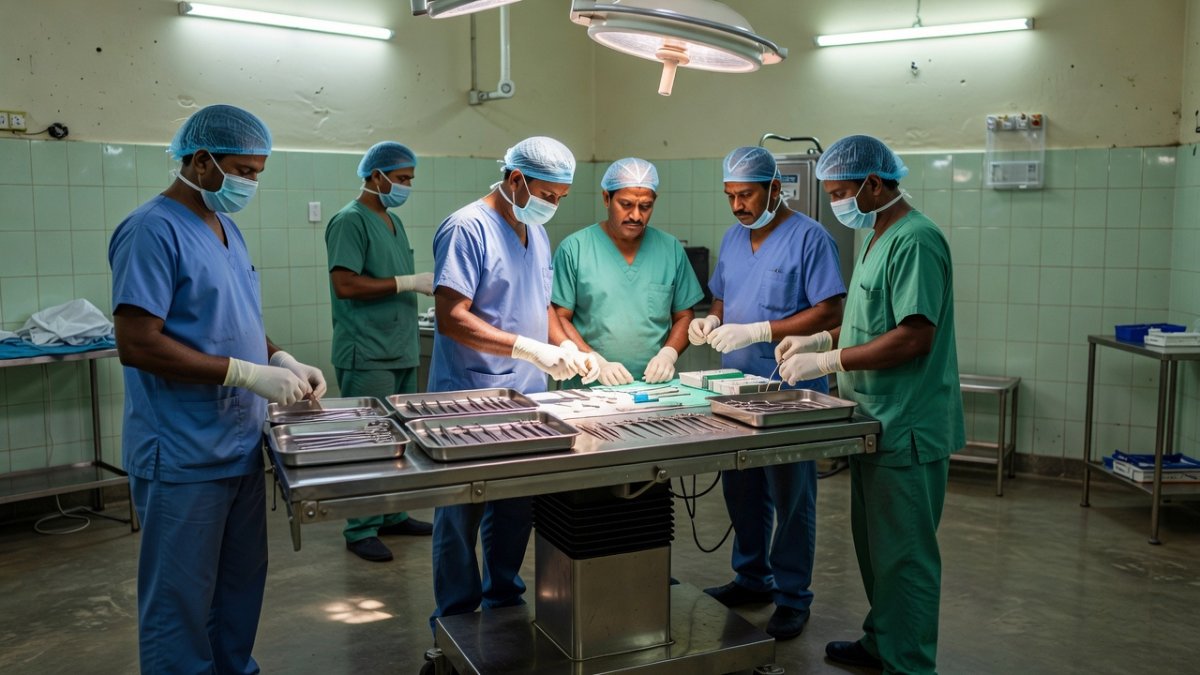
The hospital performs 30 to 40 C-sections daily yet maintains only eight surgical instrument sets—five for routine use and three reserved for emergencies. Each set requires at least three hours of sterilization before reuse. This mismatch creates pressure on operating theatre workflows and raises questions about instrument availability during peak hours.
An OT culture report returned positive for contamination. The affected operating theatre was closed for three days for sterilization and fumigation. Hospital Superintendent Dr. Arun Gaur attributed the deaths to individual medical causes including gastrointestinal shock, heart attack, thromboembolism, and postpartum hemorrhage rather than a common infectious source. District Collector Jasmeet Singh Sandhu also ruled out infection as the primary factor.
Banswara: Four More Deaths
In Banswara district, four additional women died at the government hospital during the same six-day period, two of them after C-sections. District Collector Dr. Indrajit Yadav constituted a five-member investigation committee to examine each case. The parallel cluster of deaths across two districts within days points to systemic pressures on district-level obstetric services rather than isolated incidents.
Rajasthan's Recurring Maternal Health Crisis
Since March 2026, nine maternal deaths have already occurred at Mahatma Gandhi Hospital alone. Earlier incidents include five deaths at a Kota government hospital in May and six women developing kidney failure after C-sections at Bikaner in June, of whom two died. The statewide total reached 18 maternal deaths in the last two months.
These figures reflect ongoing challenges in Rajasthan’s public hospitals where high delivery volumes meet limited infrastructure for post-operative care and complication management. The pattern suggests that existing quality assurance mechanisms under the National Health Mission have not fully addressed gaps in sterilization protocols and intensive monitoring capacity.
Political Fallout and Calls for Intervention
Former Chief Minister Ashok Gehlot demanded a central probe and direct intervention by the Union Health Ministry. The state government formed an expert team and scheduled a meeting with gynecology specialists from across Rajasthan for Monday. Medical and Health Minister is set to visit Bhilwara on Tuesday to review conditions on site.
Such high-profile political responses highlight how maternal mortality events quickly escalate into questions of governance and resource allocation within Rajasthan’s health administration.
What the Numbers Reveal About Public Healthcare
Rajasthan’s public hospitals serve large rural populations with limited access to private facilities. When a single district hospital conducts 30–40 C-sections daily with constrained instrument sets, the risk of procedural delays and compromised infection control rises. Taxpayers fund these institutions through state health budgets, yet recurring clusters of maternal deaths indicate that capital and operational investments have not kept pace with case volumes.
For patients, this translates to higher chances of preventable complications in facilities meant to provide safe obstetric care. The 18 deaths recorded in two months represent not only individual tragedies but also measurable shortfalls in the state’s maternal health indicators that affect Rajasthan’s overall progress toward national health targets.
The Bottom Line
The Bhilwara and Banswara incidents underscore the need for immediate upgrades in surgical throughput capacity, rigorous infection surveillance, and strengthened post-operative protocols across Rajasthan’s district hospitals. Sustained political attention and targeted resource deployment will determine whether these clusters prompt lasting improvements in maternal safety or remain episodic events within an overstretched public health system.
— By Dr. Raj Patel, Staff Writer
This article was produced with AI-assisted research and editorial support. Reporting is based on sources cited in the article.
What's Your Reaction?
 Like
0
Like
0
 Dislike
0
Dislike
0
 Love
0
Love
0
 Funny
0
Funny
0
 Wow
0
Wow
0
 Sad
0
Sad
0
 Angry
0
Angry
0

India/South Asia Correspondent at Global1.News. Analytical voice with a background in science and health journalism. Based in New Delhi, covering Indian politics, education, healthcare, technology, and policy. Breaks down complex data into clear, actionable reporting.













Comments (0)