
Venezuela Signs GE Vernova Deal to Rebuild Power Grid
Venezuela's interim government signed an agreement this week with General Electric Vernova to rebuild the country's crumbling electricity infrastructure, marking one of the most significant energy partnerships between a South American nation and a US corporation since the wave of nationalizations that swept the region two decades ago. The deal, announced by interim president De
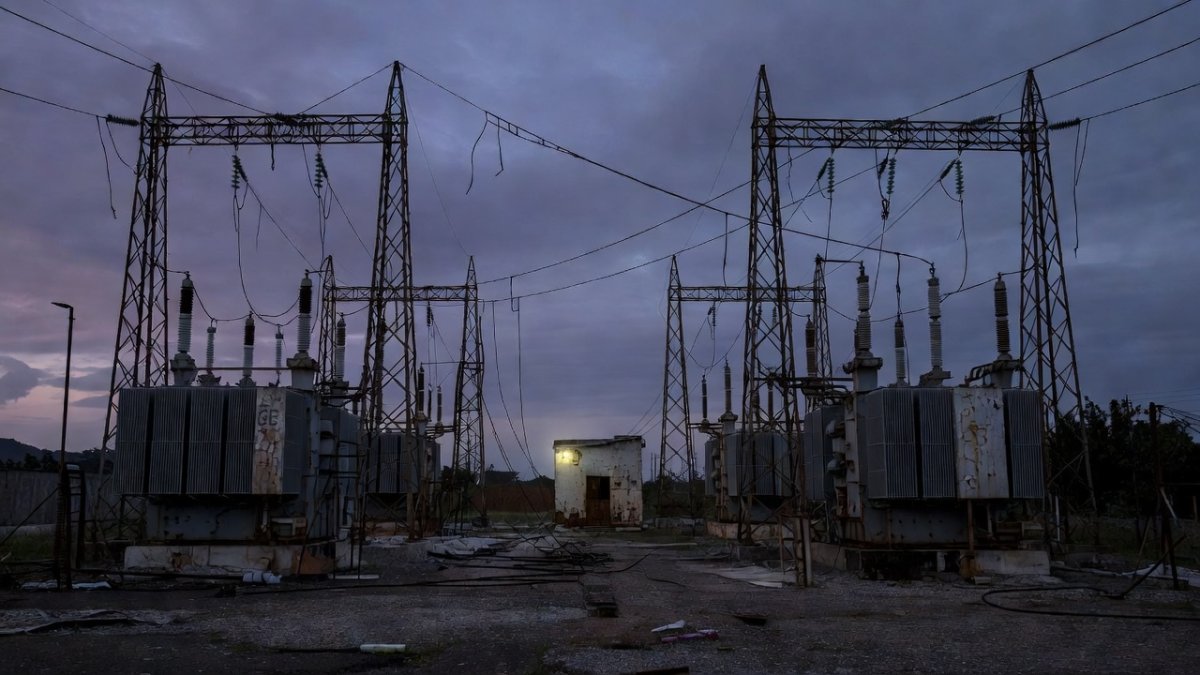
Venezuela's interim government signed an agreement this week with General Electric Vernova to rebuild the country's crumbling electricity infrastructure, marking one of the most significant energy partnerships between a South American nation and a US corporation since the wave of nationalizations that swept the region two decades ago. The deal, announced by interim president Delcy Rodríguez from the presidential palace in Caracas, targets a grid so degraded that blackouts routinely exceed ten hours in the capital and extend even longer in interior states such as Bolívar, Zulia, and Lara.
The agreement represents a strategic gamble for Rodríguez's administration: opening critical infrastructure to American investment while maintaining the political structures inherited from the Maduro era. Energy Minister Rolando Alcalá, an electrical engineer appointed to the post just three months ago, will coordinate the technical implementation with GE Vernova's local branch. His appointment broke a six-year pattern of military officers holding the energy portfolio, a change that analysts in São Paulo and Brasília have characterized as a necessary first step toward rebuilding institutional capacity that was hollowed out under previous administrations.
For Latin America's energy landscape, the Venezuelan deal arrives at a pivotal moment. Across the region, from the drought-stricken hydroelectric dams of Brazil's Southeast to the wind farms of northeastern Brazil and the solar installations in Chile's Atacama Desert, governments are grappling with the dual challenge of modernizing aging grids and integrating renewable generation at scale. Venezuela's situation is extreme but not unique — and the outcome of the GE Vernova partnership could offer lessons for energy policy across the continent.
(Global 1 News)
The Deal Signals a New Chapter for Venezuela's Power Sector
The signing took place at the presidential palace in Caracas, where interim president Delcy Rodríguez formalized the agreement with GE Vernova representatives. The pact focuses on restoring transmission lines and generation capacity that have deteriorated since the 2007 nationalization of the grid under Hugo Chávez's government. Technical teams from GE Vernova's local branch will work alongside Venezuelan engineers to assess priority repairs at substations serving Caracas and the interior states.
Energy Minister Rolando Alcalá, an electrical engineer, will oversee day-to-day coordination. His selection marks the first time in six years that a civilian rather than a military officer has held the portfolio. Previous military ministers proved unable to reverse the decline in service reliability despite repeated public commitments to overhaul the system.
Analysts note that the agreement forms part of a broader rapprochement between the interim government and the United States. Rodríguez, once a vocal critic of Washington, now leads outreach that includes security cooperation, such as joint efforts that enabled a U.S. strike killing a Tren de Aragua leader. These steps signal a pragmatic shift even as core political institutions remain under party control.
Persistent Blackouts and Institutional Constraints
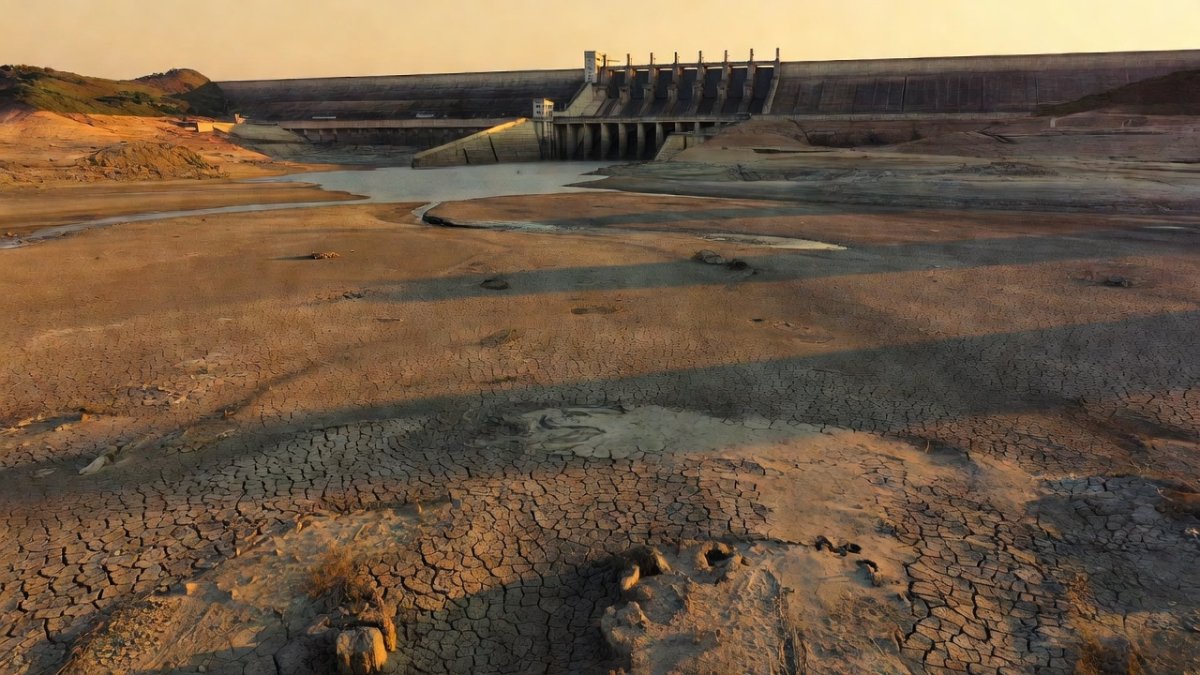
Residents in Caracas endure power cuts lasting more than ten hours on many days, while communities in Bolívar, Zulia, and Lara states often face even longer outages. The Guri hydroelectric dam, Venezuela's primary power source, has suffered from both prolonged drought and years of underinvestment that reduced output and increased equipment failures.
Critics inside and outside the country warn that key institutions continue to operate under tight party oversight, limiting the independence needed for transparent project execution. Alcalá's civilian appointment offers a break from the prior pattern, yet observers in Brasília question whether technical expertise alone can overcome entrenched procurement and oversight problems.
Daily life across Venezuela reflects these constraints. Hospitals rely on aging diesel generators that frequently run out of fuel, schools cancel classes during extended blackouts, and small businesses lose perishable inventory. The human cost accumulates in lost productivity and health impacts that fall heaviest on lower-income households in the interior states.
(Global 1 News)
Brazil Faces Similar Hydroelectric Risks
Brazil's heavy reliance on hydroelectric generation creates parallel vulnerabilities. The Southeast region, including Minas Gerais and Paraná states, has already experienced drought-driven shortfalls that forced greater use of thermal backup plants. The Amazon basin's changing rainfall patterns add further uncertainty to reservoir levels that feed major dams supplying the national grid.
Ministry of Environment officials in Brasília have tracked declining water inflows for several seasons, prompting discussions about diversifying the matrix with wind and solar additions. Venezuela's experience with a single dominant hydro source offers a cautionary example of what can occur when maintenance and climate resilience receive insufficient attention.
Regional comparisons highlight governance differences. While Brazil maintains stronger regulatory frameworks through agencies such as the MMA, both countries confront the need to pair foreign technology with domestic oversight. The Venezuelan deal's emphasis on GE Vernova equipment could inform Brazilian utilities considering similar modernization contracts in drought-prone basins.
Regional Energy Transition Faces Governance Tests
Colombia, Peru, and Chile are each testing models that balance foreign investment with national control. Colombia's Ministry of Environment has required environmental impact assessments for new transmission projects, while Peru has negotiated local content rules for solar installations in the south. Chile continues to expand its Atacama Desert solar corridor under frameworks that mandate community consultation.
These approaches differ from Venezuela's current path, where the interim government has prioritized rapid technical fixes over new regulatory layers. The GE Vernova agreement focuses on restoring existing infrastructure rather than building new renewable capacity from scratch.
Analysts in São Paulo argue that successful outcomes will depend on whether Venezuela can establish credible monitoring mechanisms. Without them, the risk remains that upgraded equipment will again fall into disrepair, repeating the cycle seen after the 2007 nationalization.
Environmental Policy and the Limits of External Capital
Expanded use of diesel generators during outages increases local air pollution and greenhouse gas emissions across Venezuelan cities. The GE Vernova scope does not explicitly address a shift away from these backups toward solar-plus-battery systems that could reduce both emissions and fuel import dependence.
Brazil's MMA has set requirements for emissions reporting and renewable integration targets that could serve as reference points if Venezuela seeks additional international financing. Without similar standards, the current deal risks locking in higher-emission pathways during the transition period.
Long-term grid stability will require diversification beyond the Guri dam. Incorporating distributed solar and storage could lessen drought sensitivity, yet the agreement's initial focus remains on transmission and existing hydro assets. Environmental groups in the region will watch whether later phases introduce cleaner technologies.
The Geopolitical Context of Energy Openings
The Venezuelan agreement reflects shifting U.S. engagement under the current administration, including eased sanctions that permit certain energy sector transactions. Rodríguez's earlier criticism of Washington has given way to pragmatic cooperation on both energy and security matters.
Regional capitals are monitoring how this opening affects broader sanctions architecture. Brazil's foreign ministry has maintained cautious engagement, emphasizing that any sustained investment requires predictable rules and reduced political risk.
The deal also intersects with U.S. domestic priorities around supply chain resilience. GE Vernova's involvement could position American firms for future contracts if Venezuela's grid rehabilitation demonstrates measurable progress in reliability metrics.
What This Means for Latin America's Energy Future
Venezuela's experiment with renewed foreign participation in power infrastructure will provide data points for governments across the continent. Success would demonstrate that technical partnerships can coexist with existing political structures, while failure could reinforce skepticism toward external capital in strategic sectors.
Brazilian utilities and regulators are already studying the implementation timeline and governance arrangements. Lessons on maintenance funding, drought adaptation, and institutional independence could influence project design in Minas Gerais and Paraná as those states confront similar hydro risks.
Ultimately, the outcome hinges on whether the interim government can translate the GE Vernova agreement into sustained service improvements for citizens. If blackouts shorten measurably in Caracas and the interior states, other nations may accelerate their own modernization efforts; if institutional constraints persist, the regional energy transition will face continued headwinds.
By Elena Vasquez, Staff WriterThis article was produced with AI-assisted research and editorial support. Reporting is based on sources cited in the article.
What's Your Reaction?
 Like
0
Like
0
 Dislike
0
Dislike
0
 Love
0
Love
0
 Funny
0
Funny
0
 Wow
0
Wow
0
 Sad
0
Sad
0
 Angry
0
Angry
0

Latin America Correspondent at Global1.News. Based in Mexico City, covering politics, economics, energy, and culture across the region. Brings an on-the-ground perspective to stories spanning from the Rio Grande to Patagonia.















Comments (0)