
USMCA Shifts to Annual Reviews After Greer Decision
The Announcement On July 1, US Trade Representative Greer stated that the United States would not pursue the scheduled 16-year renewal of the USMCA. Instead, the agreement will continue under a system of annual reviews. This decision replaces the longer-term stability that many businesses on both sides of the border had counted on since the pact took effect. The USMCA replaced
The Announcement
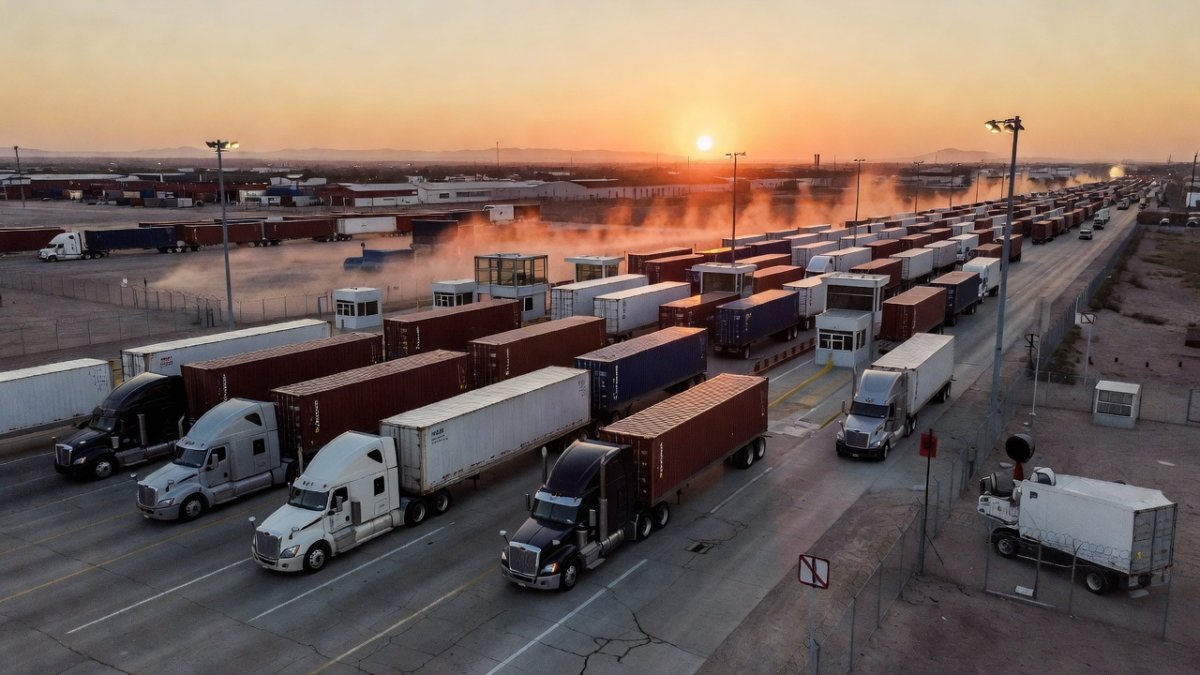
On July 1, US Trade Representative Greer stated that the United States would not pursue the scheduled 16-year renewal of the USMCA. Instead, the agreement will continue under a system of annual reviews. This decision replaces the longer-term stability that many businesses on both sides of the border had counted on since the pact took effect. The USMCA replaced NAFTA July 1, 2020, bringing updated labor rules, stronger digital trade provisions, and tighter requirements for automobile content. Those changes had already reshaped supply chains across North America.
Greer’s announcement surprised some observers who expected the renewal clause to be exercised without drama. The original text allowed the parties to extend the deal for another 16 years after the first six-year review period. By choosing annual check-ins, Washington signals that it wants more frequent opportunities to adjust terms. Officials in the US argue this approach keeps the agreement responsive to changing economic conditions and political priorities. Mexican exporters, however, now face recurring uncertainty every twelve months.
Business groups in Mexico quickly began mapping out scenarios. Some worry that annual reviews could open the door to new demands on labor standards or environmental commitments. Others note that the core tariff-free access remains intact for now. The immediate effect is psychological: companies that had planned multi-year investments must now build flexibility into their budgets. Greer emphasized that the United States is not withdrawing from the agreement, only altering the review mechanism. That distinction matters because a full withdrawal would require formal notice and a lengthy exit process. Annual reviews, by contrast, keep the framework alive while giving negotiators regular seats at the table.
From a Mexican perspective, the move highlights how trade policy can shift with each administration. Yet the underlying economic ties remain deep. Millions of jobs in northern Mexico depend on predictable access to the US market. The new rhythm of yearly evaluations will test whether both governments can manage those ties without constant renegotiation drama. Companies are already adjusting forecasts and speaking with legal teams about what clauses might be revisited first.
Mexico Responds
Foreign Minister Marcelo Ebrard moved quickly to reassure Mexican businesses and workers. He stated that the deal continues in full force and that no withdrawal notice has been given by any party. Ebrard stressed that Mexico remains committed to the USMCA framework and will participate constructively in the new annual review process. His measured tone helped calm markets in the hours after Greer’s statement.
Inside Mexico City, members of Congreso began preparing for hearings. Lawmakers from several parties want to understand exactly how the annual reviews will work and which sectors might face the most pressure. Committees focused on economy and foreign relations scheduled closed-door briefings with trade officials. The goal is to gather information before the first review cycle begins later this year.
Diplomats also reached out to Canadian counterparts to coordinate positions ahead of future talks. Mexico and Canada share many interests when it comes to preserving market access and avoiding unilateral changes. Joint technical teams are already comparing notes on rules of origin and dispute-settlement procedures. This cooperation reflects the trilateral nature of the original agreement even as Washington pushes for more frequent updates.
At the same time, Mexican business chambers organized webinars to explain the practical implications for exporters. They emphasized that tariffs will not automatically rise and that existing quotas remain in place. The message to small and medium-sized firms was clear: stay informed, maintain compliance records, and avoid panic-driven decisions. Ebrard’s calm public stance has helped keep the conversation focused on adaptation rather than rupture.
Maquiladoras
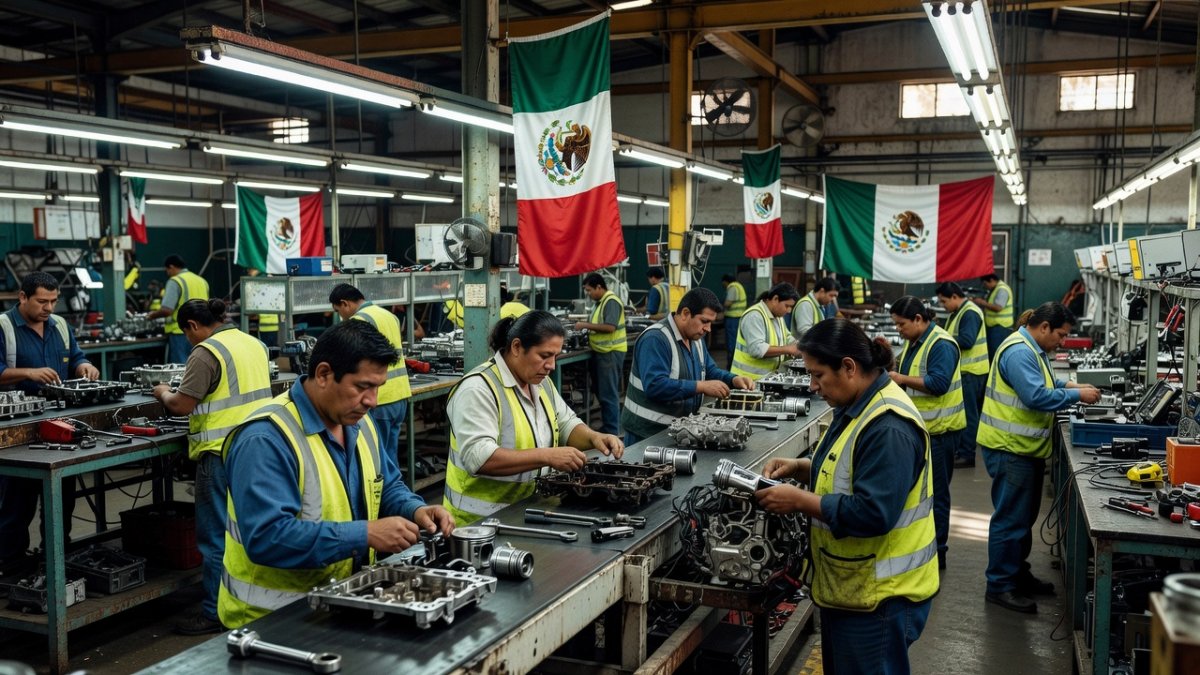
Factories in Ciudad Juárez, Tijuana, and Reynosa now operate under a cloud of caution. These border cities host the largest concentration of maquiladoras, which assemble goods for the US market under special tariff rules. The annual review system introduces new questions about long-term contracts and workforce planning. Managers report that some US clients have asked for contingency clauses in case review outcomes alter duty treatment.
Approximately 40% of GDP depends on US trade, making the maquiladora sector especially sensitive to any signal of instability. Hiring decisions that once followed predictable seasonal patterns now include extra buffers. Human-resources directors in Reynosa describe holding off on permanent contracts until after the first annual review concludes. Temporary staffing agencies have seen increased demand as firms test demand without locking in full-time payroll.
Local governments in these cities are also adjusting. Economic development offices that once promoted multi-year investment packages now highlight shorter project cycles and flexible infrastructure support. Training programs funded by state governments continue, yet enrollment in some technical courses has dipped as workers weigh job security. Community leaders worry that reduced hiring could affect housing markets and school budgets in neighborhoods built around factory employment.
Despite the caution, many plant managers say core operations remain steady. Orders for electronics and medical devices have not dropped sharply. The real shift appears in capital expenditure plans, where approvals for new production lines now require sign-off from headquarters risk committees. This slower pace of investment could eventually affect productivity gains that Mexico had counted on to stay competitive with Asian suppliers.
Agriculture
Mexican farmers who send produce north face their own set of calculations. Roughly 80% of exports to US go through established trade channels protected by the USMCA. Avocados from Michoacán and tomatoes from Sinaloa represent two of the most visible success stories under the agreement. Growers’ associations have spent years building phytosanitary compliance systems that now face annual scrutiny.
Indigenous cooperatives in Michoacán have particularly benefited from expanded US market access. These groups invested in packing facilities and traceability programs that meet strict US Department of Agriculture standards. Annual reviews could reopen debates over seasonal tariffs or inspection frequency. Cooperative leaders say they will continue harvesting and shipping while monitoring official statements from both capitals.
In Sinaloa, tomato producers have diversified into greenhouse varieties that command premium prices. Their packing houses employ thousands of seasonal workers from surrounding rural communities. Any change in quota volumes or inspection procedures would ripple through those local economies. Farmers are already documenting production costs more meticulously in case negotiators request detailed data during reviews.
Export associations have begun compiling sector-specific position papers. These documents highlight the jobs supported by fresh-produce shipments and the investments made in sustainable growing practices. The goal is to ensure that agricultural voices remain present when technical talks begin. While no immediate disruption has occurred, the shift to yearly evaluations has prompted growers to build larger cash reserves and explore alternative markets in Europe and Asia as insurance.
Markets
Financial markets absorbed the news with measured movement. The peso settled at 17.50 against the dollar in the days following Greer’s announcement. Currency traders cited the absence of a withdrawal threat as the main reason for relative stability. Still, volatility could increase as each annual review approaches.
Mexico posted a $197B surplus in goods trade with the United States last year, underscoring how deeply integrated the two economies remain. That surplus supports thousands of formal jobs and contributes to government revenue through value-added taxes. Nearshoring investment caution has already appeared in some boardrooms, where executives are delaying site-selection decisions until the first review cycle clarifies the outlook.
Banxico monitoring has intensified. Central bank staff now include trade-policy scenarios in their quarterly inflation reports. While no immediate rate action is expected, officials have signaled readiness to act if peso swings threaten price stability. Corporate treasurers in Monterrey and Guadalajara report hedging a larger share of dollar receivables than they did six months ago.
Equity analysts covering Mexican manufacturers note that share prices have not collapsed, yet forward guidance has grown more guarded. Investors appear to be waiting for concrete signals from the July 20 talks before making larger portfolio shifts. The overall message from markets is one of watchful patience rather than outright alarm.
July 20 Talks
Negotiators are scheduled to meet on July 20 to address rules of origin for autos, among other technical matters. These rules determine how much North American content a vehicle must contain to qualify for tariff-free treatment. Mexican parts suppliers have invested heavily in meeting the current thresholds and want clarity on whether those percentages will be revisited during annual reviews.
CNBC reported that the new annual review mechanism could effectively turn every year into a mini-renegotiation. That possibility has prompted industry associations to prepare detailed briefings on supply-chain data. Mexican auto-parts executives plan to attend the July 20 session as observers, hoping to underscore the importance of predictable content rules for future factory expansions.
Discussions are also expected to cover dispute-settlement procedures and labor-value content requirements. Mexico’s delegation intends to argue that frequent changes would raise compliance costs for smaller suppliers. At the same time, US negotiators may press for tighter enforcement mechanisms. The outcome of these early talks will set the tone for how substantive the annual reviews become.
Business chambers on both sides of the border have circulated joint letters urging negotiators to preserve the agreement’s core benefits. They note that the auto sector alone supports more than one million jobs across North America. Any shift in rules of origin would require months of retooling and new supplier contracts. The July 20 meeting therefore carries weight beyond the immediate agenda items.
Outlook
Mexico’s economy has weathered many trade-policy shifts over the decades. The move to annual USMCA reviews introduces a new rhythm of engagement that will require steady diplomacy and clear communication with the private sector. While no immediate crisis has emerged, the coming months will test how well businesses and government can plan amid recurring checkpoints. Mexican exporters remain confident in the strength of cross-border demand, yet they are building extra resilience into their operations. The coming reviews will show whether this more frequent dialogue strengthens or strains the partnership that replaced NAFTA in 2020. For now, the focus stays on preparation, dialogue, and protecting the jobs that depend on steady access to the US market. Tags: USMCA, annual reviews, Greer announcement, Mexico trade, maquiladoras, agriculture exports, peso stability, nearshoring, auto rules of origin, NAFTA replacement, Ebrard response, Banxico monitoring, USMCA renegotiation
By Rosa Martinez, Staff Writer
This article was produced with AI-assisted research and editorial support. Reporting is based on sources cited in the article.
What's Your Reaction?
 Like
0
Like
0
 Dislike
0
Dislike
0
 Love
0
Love
0
 Funny
0
Funny
0
 Wow
0
Wow
0
 Sad
0
Sad
0
 Angry
0
Angry
0

Latin America/Andes Correspondent at Global1.News. Based in Bogota, covering politics, environment, energy, and social movements across the Andean region. Passionate about environmental journalism and communities protecting their land.













Comments (0)