
Covert Power: The CIA's Hidden History — From Dulles to Trump
In a recent BBC News report on The Global Story , Pulitzer Prize-winning journalist Tim Weiner joined hosts Asma Khalid and Tristan Redman to examine the CIA's hidden history — from its transformation under Allen Dulles to its post-9/11 transformation and current challenges under the Trump administration. Covert Power: The CIA's Hidden History — From Dulles to Trump London — 2
In a recent BBC News report on The Global Story, Pulitzer Prize-winning journalist Tim Weiner joined hosts Asma Khalid and Tristan Redman to examine the CIA's hidden history — from its transformation under Allen Dulles to its post-9/11 transformation and current challenges under the Trump administration.
Covert Power: The CIA's Hidden History — From Dulles to Trump
London — 2 July 2026 — The Central Intelligence Agency's evolution from an intelligence-gathering body under Allen Dulles to a paramilitary force under the Trump administration reflects enduring patterns in how the United States projects power abroad, according to a new BBC investigation.
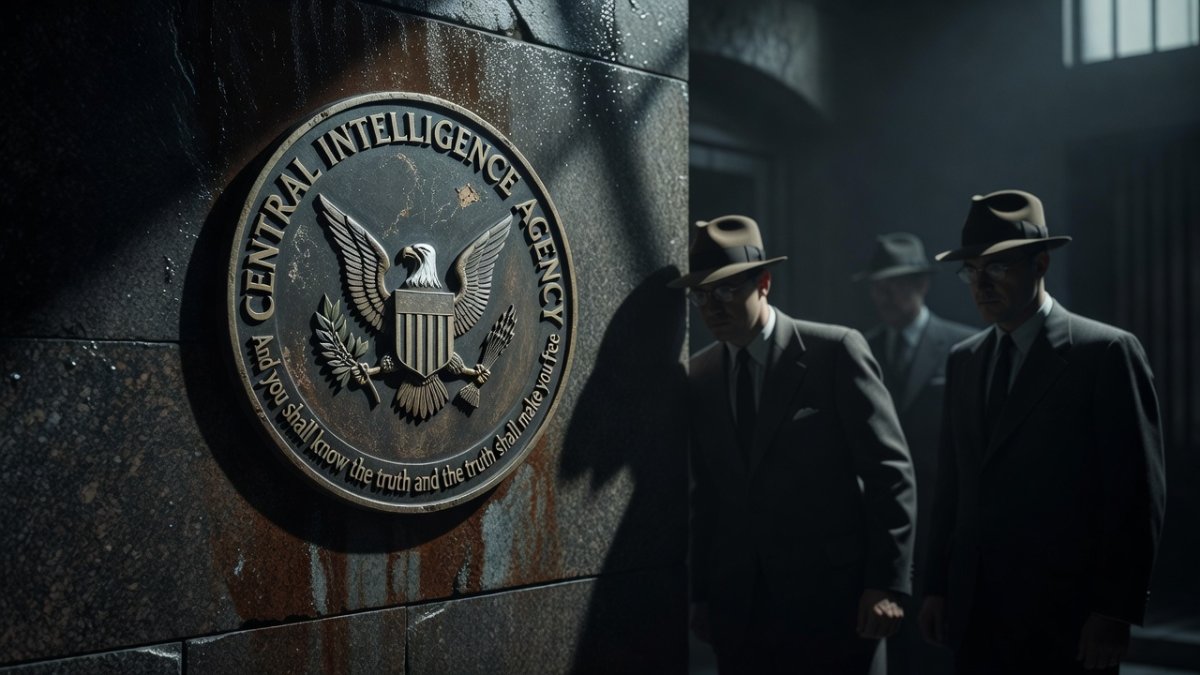
The Dulles Doctrine: Birth of American Covert Power
Allen Dulles served as the first civilian director of the CIA from 1953 to 1961. He fundamentally altered the agency from an organization focused on intelligence collection into one that prioritized covert operations. Working closely with his brother, Secretary of State John Foster Dulles, and under President Dwight Eisenhower, Dulles directed the CIA toward actions aimed at removing foreign leaders viewed as threats to American interests. This shift established a pattern of intervention that extended far beyond traditional espionage. The doctrine emphasized plausible deniability, allowing Washington to pursue strategic goals while maintaining an official posture of non-interference. Such methods quickly became central to Cold War strategy, blending diplomacy with clandestine action in ways that redefined American foreign policy.
The 1953 Iranian coup d'état, known as Operation Ajax, exemplified this new approach. The CIA orchestrated the overthrow of Iran's democratically elected Prime Minister Mohammad Mossadegh after the Eisenhower administration determined that his policies endangered U.S. strategic goals. The operation succeeded in installing a more favorable government and created a template for future CIA-led regime changes across multiple continents. Similar tactics soon appeared in Latin America and beyond, demonstrating how economic interests and anti-communist fears converged to justify intervention. These early operations set precedents that later administrations would adapt, even as public scrutiny grew.
The 1954 Guatemalan coup followed a similar model, with the CIA engineering the removal of another elected leader. These early successes encouraged further operations, yet the 1961 Bay of Pigs invasion in Cuba exposed the limits of this strategy. The failed attempt to overthrow Fidel Castro resulted in Dulles's dismissal by President John F. Kennedy and marked a turning point in the agency's public accountability. Historians interpret this era as the moment when covert power became institutionalized, influencing everything from alliance structures to perceptions of U.S. reliability among allies and adversaries alike.
Dark Experiments: MK-Ultra and the Unaccountable Agency
MK-Ultra represented one of the most troubling chapters in the CIA's history under Dulles. The program conducted secret experiments using LSD and other drugs on unwitting prisoners and other subjects, directly violating established medical ethics and legal standards. These activities occurred without oversight and reflected a willingness to prioritize operational objectives over human rights. The experiments extended across universities, hospitals, and prisons, often targeting vulnerable populations in the name of developing interrogation or mind-control techniques. Revelations decades later underscored how secrecy enabled ethical breaches that would have been impossible under normal democratic scrutiny.
The culture of secrecy surrounding MK-Ultra revealed the agency's broader operating philosophy. Dulles and his successors operated with minimal external checks, allowing programs to continue for years before any public exposure. This lack of accountability became a defining characteristic that later investigations would repeatedly highlight as a systemic problem within the institution. Congressional hearings in the 1970s exposed the extent of these abuses, yet the underlying tension between operational autonomy and legal constraints persisted. Analysts view MK-Ultra as emblematic of an agency that viewed itself as above ordinary rules during periods of heightened geopolitical tension.
Connections to later controversies remain evident. The same institutional mindset that permitted unchecked human experimentation resurfaced in post-9/11 debates over interrogation methods. This continuity illustrates how Dulles-era precedents shaped not only tactics but also the agency's internal culture of exceptionalism. In Russia and parts of the Global South, such revelations reinforced narratives of American hypocrisy, portraying the CIA as an instrument of unchecked power rather than a defensive intelligence service.
From Intelligence Gathering to Paramilitary Force
Following the September 11 attacks, the CIA underwent a significant transformation. The agency established secret prisons known as black sites in multiple countries and implemented enhanced interrogation techniques that drew widespread condemnation as torture. This period marked the agency's evolution from an intelligence-focused body into a paramilitary organization capable of conducting direct operations. Drone programs and targeted killings further blurred the line between espionage and warfare, expanding the CIA's footprint in conflict zones across South Asia, the Middle East, and Africa. These changes reflected broader shifts in U.S. national security strategy that prioritized rapid action over traditional intelligence collection.
The 2011 killing of Osama bin Laden demonstrated the peak of this operational capability. The CIA supplied critical intelligence that enabled the Navy SEAL raid in Abbottabad, Pakistan. This success underscored how the post-9/11 changes had expanded the agency's reach while also raising ongoing questions about oversight and long-term consequences. Successive directors leveraged these capabilities to influence policy debates inside the White House, sometimes at the expense of interagency coordination with the Pentagon and State Department. The result was an agency that wielded unprecedented influence yet faced mounting criticism from human rights organizations and foreign governments.
Under the current administration, these paramilitary legacies intersect with new political pressures. Recruitment challenges have intensified as potential officers weigh the risks of politicization against career prospects. Historical parallels with Dulles-era expansion suggest that operational growth often comes at the cost of institutional legitimacy, a dynamic that continues to shape debates over the CIA's proper role in American statecraft.
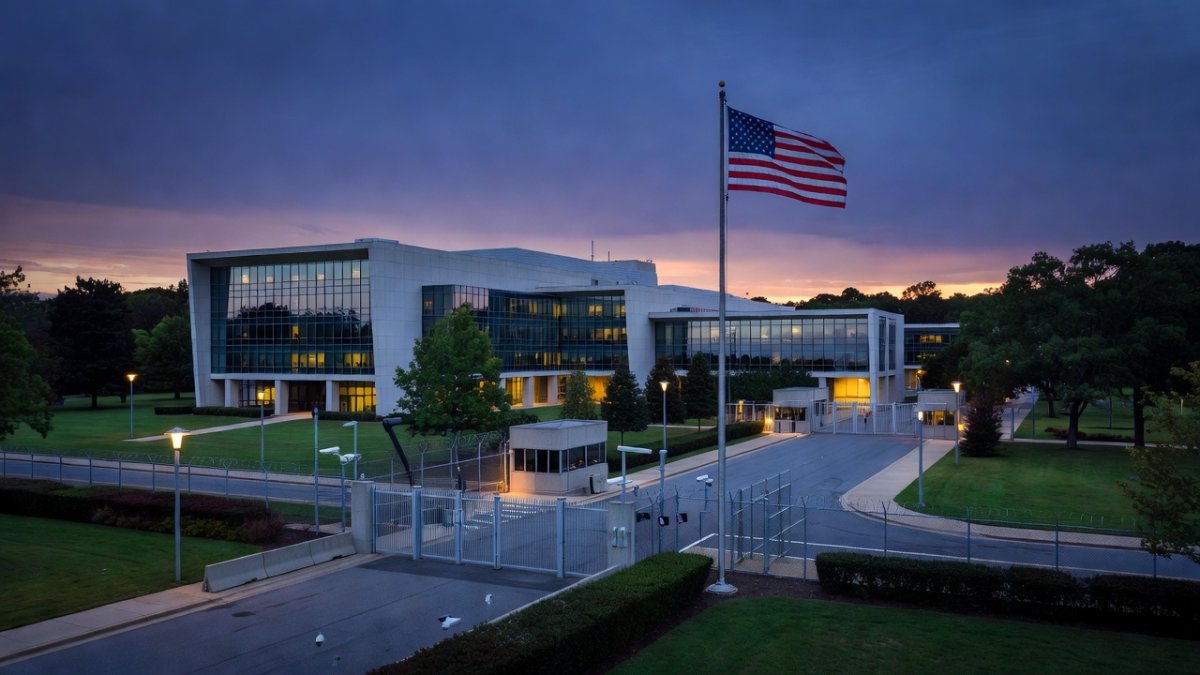
The Trump Era: Ratcliffe, Resistance, and the Spymaster's Reckoning
CIA Director John Ratcliffe, appointed by President Trump in his second term, has worked to expand the agency's influence within the administration. According to Intelligence Online, Ratcliffe has extended the CIA's hold on U.S. intelligence matters. The agency also played a role in resuming intelligence-sharing with Ukraine after a suspension that began earlier. These moves reflect an effort to align covert capabilities more closely with presidential priorities, echoing Dulles's close coordination with the White House during the 1950s. Tensions have nevertheless emerged as career officers resist perceived attempts to subordinate intelligence assessments to political narratives.
Tensions between the Trump administration and the intelligence community have surfaced repeatedly. In a recent report by the New York Times, intelligence agencies resisted demands for a master list of all U.S. spies and potential recruits. Both the CIA and FBI leadership pushed back against this request. Recently, former CIA Director John Brennan filed a lawsuit against the Justice Department to preserve records connected to federal investigations, illustrating the depth of institutional friction. Such conflicts highlight ongoing struggles over autonomy that trace back to the Dulles period, when directors enjoyed wide latitude but also faced occasional presidential pushback.
Current challenges include difficulties attracting diverse talent amid perceptions of politicization. Analysts interpret these frictions as part of a recurring cycle in which administrations seek greater control over the intelligence apparatus, often with mixed results. The interplay between Ratcliffe's leadership and broader Trump foreign policy objectives continues to test the boundaries of covert action in an era of renewed great-power competition.
Regime Change Redux: From Iran to Venezuela
The Dulles-era approach to covert regime change continues to echo in current U.S. foreign policy. The BBC has noted that President Trump's efforts in Iran and Venezuela reflect the long-standing American pattern of combining military pressure with covert operations. These actions demonstrate how historical precedents established in the 1950s remain relevant to contemporary decision-making. Trump's public statements have explicitly invoked past successes, framing new initiatives as refinements of proven methods rather than departures from tradition. This rhetorical continuity underscores the enduring appeal of covert tools for leaders seeking to reshape adversarial governments without full-scale war.
Trump has described the operation targeting Venezuela's Nicolás Maduro as a perfect example of successful regime change. His Iran policy has been characterized as regime adjustment rather than outright replacement, incorporating military intervention elements. Tim Weiner's analysis in his books suggests that such operations often produce unintended consequences that extend well beyond the initial objectives, a pattern visible from Operation Ajax through later interventions. In practice, these efforts have encountered resistance from regional actors and complicated diplomatic relations with European partners wary of escalation.
Interpretations differ sharply along geopolitical lines. While some U.S. officials view these policies as necessary correctives, critics in Moscow and across the Global South see them as evidence of persistent hegemonic ambitions. The linkage between Dulles-era templates and present-day maneuvers reveals how institutional memory within the CIA continues to inform strategic choices, even as oversight mechanisms have evolved since the 1970s.
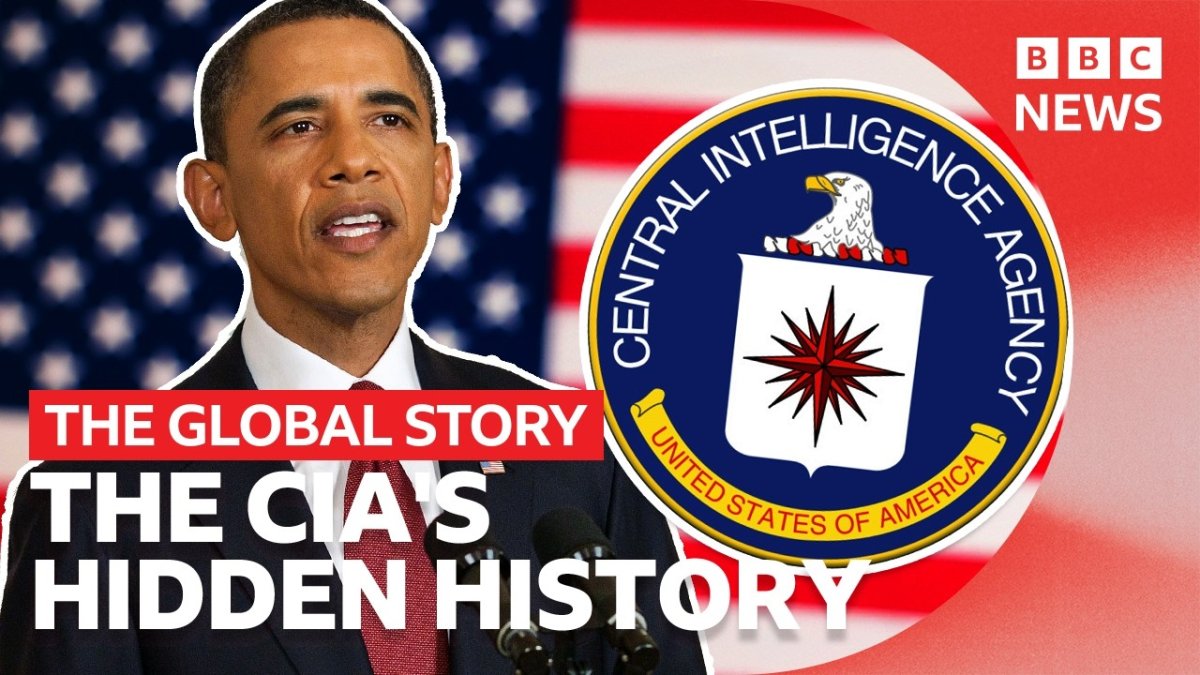
Global Perceptions of American Covert Power
American covert operations have long shaped international views of U.S. power, often generating suspicion rather than admiration. In Russia, state media and officials routinely cite historical CIA actions as proof of enduring American interference in sovereign affairs, using these narratives to justify Moscow's own assertive policies. This framing resonates in parts of the Global South, where memories of 1950s interventions in Iran and Guatemala fuel skepticism toward current U.S. initiatives in Latin America and the Middle East. Such perceptions complicate diplomatic efforts and strengthen alternative alliances that position themselves as counterweights to Washington.
The evolution from Dulles-era coups to contemporary pressure campaigns has reinforced a narrative of American exceptionalism that many foreign observers find destabilizing. Analysts note that these operations, while sometimes achieving short-term objectives, frequently erode long-term credibility. In regions with colonial histories, covert actions appear less as defensive measures and more as extensions of dominance, affecting how populations evaluate U.S. claims about democracy and human rights. This dynamic has gained renewed attention amid debates over the CIA's role under the Trump administration.
Global reactions also influence recruitment and partnerships. Potential assets in key regions increasingly weigh the reputational costs of association with an agency viewed through the lens of past regime changes. These perceptions represent a strategic challenge that extends beyond operational metrics, touching on the broader legitimacy of American leadership in an increasingly multipolar world.
Analysis — The CIA at a Crossroads
The CIA currently faces recruitment difficulties and a tarnished reputation that complicate its ability to attract new personnel. These challenges stem from both historical revelations and recent political conflicts. The tension between maintaining operational effectiveness and ensuring political accountability has become more pronounced under the current administration, potentially affecting the agency's direction for years to come. Institutional memory of Dulles-era autonomy clashes with demands for transparency, creating friction that insiders describe as unprecedented in recent decades.
The evolution from Allen Dulles's era to the present illustrates enduring patterns in how American power is exercised. The persistent conflict between institutional secrecy and democratic oversight remains unresolved. Analysts suggest this dynamic could reshape the CIA's role in U.S. foreign policy, particularly as regime change efforts in Iran and Venezuela continue to unfold. The agency's future will depend on how it navigates these pressures while preserving its core functions. Interpretations from outside the United States often emphasize how covert legacies undermine soft power, a consideration that may grow more salient as competition with peer adversaries intensifies.
Ultimately, the interplay between historical precedent and contemporary politics will determine whether the CIA can adapt without sacrificing effectiveness. Observers in Russia and the Global South will continue to scrutinize these developments, viewing them as indicators of America's willingness to respect international norms. The coming years may reveal whether institutional reforms can reconcile the demands of secrecy with the requirements of democratic legitimacy.
By Irina Volkov, Staff Writer
This article was produced with AI-assisted research and editorial support. Reporting is based on sources cited in the article.
What's Your Reaction?
 Like
0
Like
0
 Dislike
0
Dislike
0
 Love
0
Love
0
 Funny
0
Funny
0
 Wow
0
Wow
0
 Sad
0
Sad
0
 Angry
0
Angry
0
Russia/Eastern Europe Correspondent at Global1.News. Covering Russian politics, energy, security, and the shifting dynamics of the post-Soviet space. Provides clear-eyed analysis on one of the world's most opaque regions.









Comments (0)