
US Retail Sales Plunge 1% in March as Consumers Reel From Smaller Refunds and Recession Worries
US Retail Sales Plunge 1% in March as Consumers Reel From Smaller Refunds and Recession Worries The Headline Data: A Steeper Drop Than Expected The Commerce Department reported on Friday that retail sales fell by 1 percent in March from the prior month. This decline came after seasonal adjustments but without inflation factoring, marking a sharper pullback than the 0.4 percent
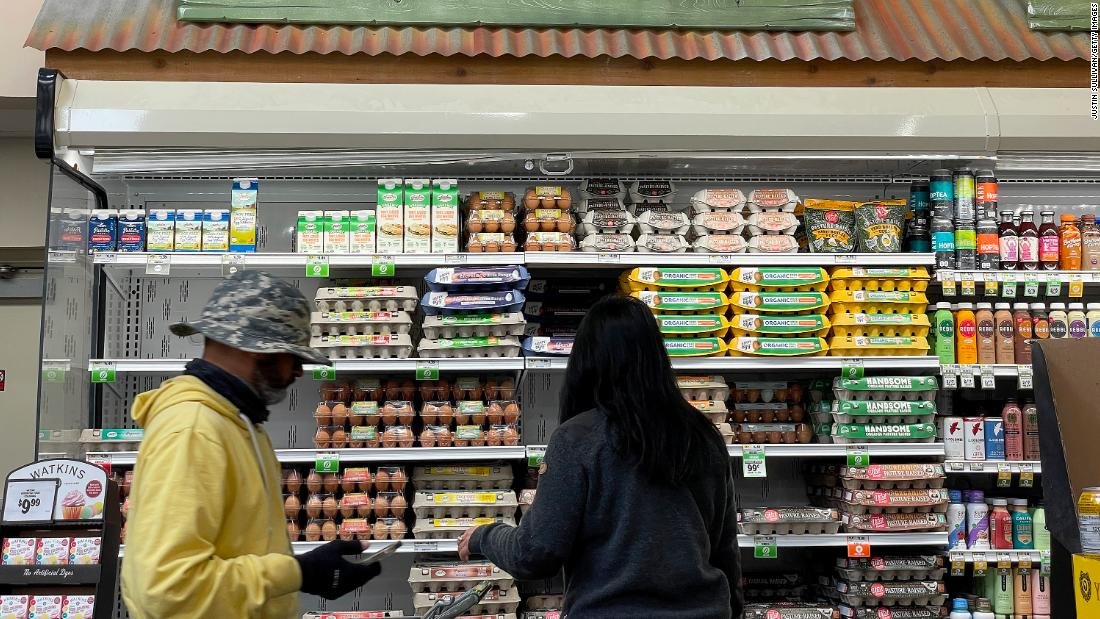
The Headline Data: A Steeper Drop Than Expected
The Commerce Department reported on Friday that retail sales fell by 1 percent in March from the prior month. This decline came after seasonal adjustments but without inflation factoring, marking a sharper pullback than the 0.4 percent drop economists had anticipated according to Refinitiv estimates.
The March figure also exceeded the revised 0.2 percent decline recorded in February. Year-over-year retail spending still managed a 2.9 percent increase, yet the monthly weakness signals consumers tightening their wallets amid broader economic uncertainty.
Excluding gas station sales, overall retail spending retreated 0.6 percent in March compared with February. Investors have attributed part of this softness to delayed tax refunds and growing concerns over a cooling labor market that could limit future income gains.
This performance underscores how quickly household behavior can shift when external pressures mount. The data arrives at a moment when recession signals are multiplying, leaving little room for optimism about near-term consumer resilience.
The Tax Refund Factor: Billions Less in Pockets This Year
The IRS issued 84 billion dollars in tax refunds during March, roughly 25 billion dollars below the amount distributed in March 2022 according to Bank of America analysts. That shortfall directly curtailed discretionary spending at key retail categories.
Smaller refunds likely played a central role in the March sales decline, alongside the expiration of enhanced food assistance benefits. Economists note that March typically serves as a peak refund month, and many households had anticipated payouts similar to last year's levels.
Aditya Bhave, senior US economist at BofA Global Research, emphasized that some consumers were counting on refunds comparable to 2022. When those checks arrived smaller, spending at department stores and on durable goods such as appliances and furniture contracted noticeably.
Credit and debit card spending per household tracked by Bank of America researchers slowed in March to its weakest pace in more than two years. The moderation reflects the combined impact of reduced refunds, expired benefits, and decelerating wage growth that together squeezed available cash.
Where Spending Fell Hardest: Department Stores and Gas Stations Lead Declines
Spending at general merchandise stores dropped 3 percent in March from the previous month. This category includes department stores that typically benefit from refund-driven purchases of clothing, home goods, and other big-ticket items.
Gas station sales declined 5.5 percent over the same period. Lower fuel prices contributed to the drop, yet the broader retreat in consumer outlays suggests households are prioritizing essentials and deferring nonessential trips.
Even after stripping out gas station figures, the underlying weakness persisted with a 0.6 percent monthly decline. These targeted pullbacks illustrate how specific categories absorb the first shocks when refund flows diminish and benefit programs end.
The pattern aligns with Bank of America Institute findings that pandemic-era supplemental nutrition assistance benefits, which expired in February, further restrained March spending. Households that had relied on those additions found less room for retail purchases once the support vanished.
The Labor Market Connection: Solid but Losing Momentum
Employers added 236,000 jobs in March, a figure that remains robust by historical standards yet falls below the average monthly pace seen in the prior six months. This slowdown hints at gradual cooling in hiring activity.
The latest Job Openings and Labor Turnover Survey showed available positions stayed elevated in February but had fallen more than 17 percent from the March 2022 peak of 12 million. Revised data also indicated weekly unemployment claims ran higher than previously estimated.
Average hourly earnings rose 4.2 percent in March from a year earlier, down from the prior month's 4.6 percent annualized increase. This marks the smallest annual wage gain since June 2021, according to Bureau of Labor Statistics figures.
The Employment Cost Index has similarly reflected moderating pay gains over the past year. While the labor market has not collapsed, these trends suggest workers may face tighter income growth ahead, limiting their capacity to sustain retail spending.
Consumer Sentiment and the Recession Question: Waiting for the Other Shoe
Consumer sentiment tracked by the University of Michigan worsened slightly in March amid the banking crisis but had already begun deteriorating beforehand. The latest reading released Friday showed sentiment held steady in April despite the turmoil at Silicon Valley Bank and Signature Bank.
Higher gas prices pushed year-ahead inflation expectations up a full percentage point to 4.6 percent in April from 3.6 percent in March. Joanne Hsu, director of the surveys of consumers at the University of Michigan, noted that consumers did not perceive material changes in the economic environment during April.
Federal Reserve economists expect the US economy to enter a recession later this year as the lagged effects of higher interest rates intensify. Their forecasts had already incorporated subdued growth and recession risks even before the recent bank collapses.
Michelle Meyer, North America chief economist at Mastercard Economics Institute, observed that the big picture remains favorable for consumers when considering income growth, balance sheets, and labor market health. Yet the combination of smaller refunds, expired benefits, and cooling job gains is testing that resilience.
What This Means for Everyday Americans: Tighter Budgets Ahead
American households are confronting a convergence of pressures that directly reduce spending power. Smaller tax refunds, the end of enhanced food assistance, and slower wage growth have collectively prompted a measurable pullback at the register.
Everyday purchases at department stores and gas stations have absorbed the brunt of the adjustment. Families that counted on March refunds to cover appliances, furniture, or routine expenses now face harder choices about where to allocate limited dollars.
The solid but decelerating job market offers some buffer, yet the trajectory points toward further moderation. With Federal Reserve projections pointing to recession risks later in the year, consumers appear to be bracing for tougher conditions rather than spending freely.
These developments carry practical implications for household planning. Americans may need to adjust expectations around discretionary outlays and prepare for continued restraint as refund shortfalls and benefit changes reshape monthly budgets in the months ahead.
By Jessica Ali, Staff WriterThis article was produced with AI-assisted research and editorial support. Reporting is based on sources cited in the article.
What's Your Reaction?
 Like
0
Like
0
 Dislike
0
Dislike
0
 Love
0
Love
0
 Funny
0
Funny
0
 Wow
0
Wow
0
 Sad
0
Sad
0
 Angry
0
Angry
0

Editor-in-Chief at Global1.News. Atlanta-based journalist who cuts through the BS and tells it like it is. Lead anchor, host, and the voice you hear when the spin stops and the truth starts.















Comments (0)