
US Housing Market Cools July 2026: Rates Above 6 Percent
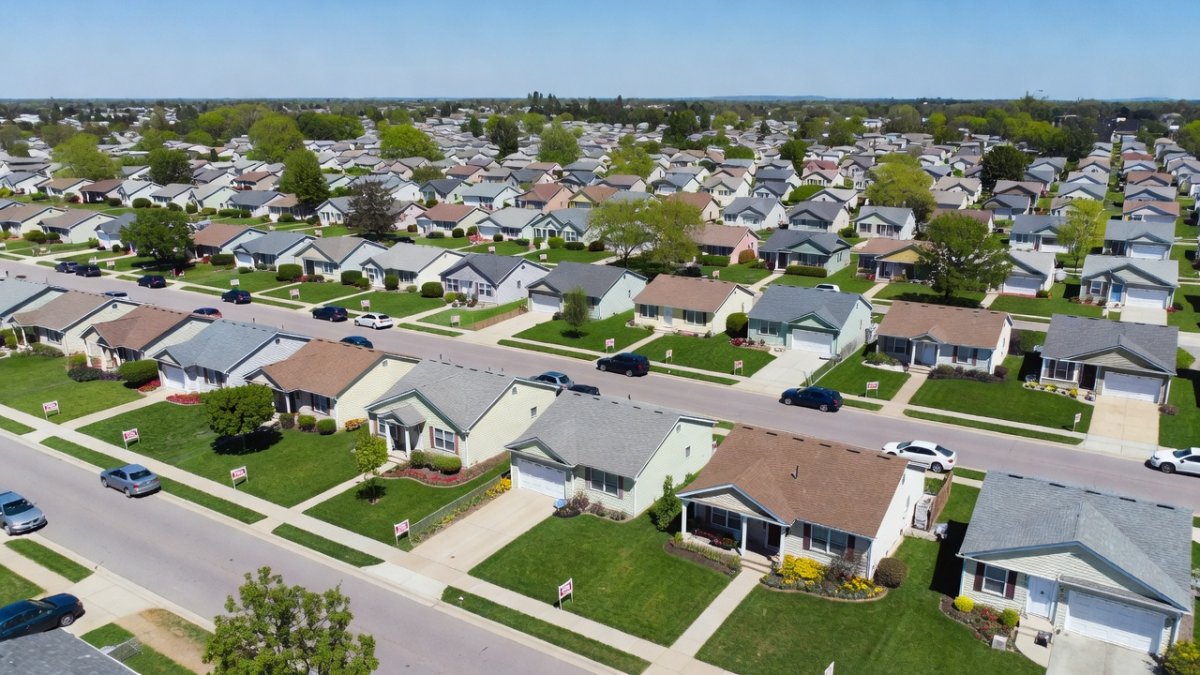
The US housing market in July 2026 is cooling off like an engine that's been running hot for too long, and the data shows buyers and sellers alike are feeling the grind. Mortgage rates refuse to drop below 6 percent, homes sit longer on the market, and price growth has flatlined to almost nothing. This isn't a crash, but it's a clear slowdown that's shifting power toward those
Rates Holding Firm Above 6 Percent
Thirty-year fixed mortgage rates sat between 6.36 and 6.64 percent as of July 7, 2026, according to Zillow and U.S. News & World Report. That range keeps monthly payments elevated for anyone financing a home right now. The Federal Reserve's decision to hold the federal funds rate steady at 3.5 to 3.75 percent during its June 17, 2026 FOMC meeting has anchored borrowing costs higher than many hoped.
These rates are not an accident. They reflect the Fed's continued focus on inflation control even as price pressures ease. For buyers, every extra percentage point on a mortgage adds thousands to the total cost over a 30-year loan. Sellers notice too, because higher rates shrink the pool of qualified purchasers. The result is a market where financing remains expensive and activity stays muted.
Inventory Expected to Climb
Single-family homes and condos are projected to see listings rise 5 to 10 percent across 2026, according to Heart Mortgage. More properties entering the market gives buyers more choices, but it also means competition among sellers intensifies. Homes that once sold in days now require weeks or months to find a buyer.
This inventory growth is gradual rather than explosive. It stems from homeowners who listed earlier in the year and new construction finally adding supply in certain regions. The increase is enough to tilt negotiations but not enough to flood the market with bargains. Buyers who move quickly on well-priced homes can still face multiple offers, while overpriced listings linger.
Home Values Barely Budging
Zillow projects national home value growth of only about 0.3 percent by the end of 2026. That figure signals stagnation after years of rapid appreciation. In many areas, prices are holding steady rather than rising, and some segments show small declines when adjusted for inflation.
The slow growth reflects the combined weight of high mortgage rates and cautious buyer demand. Sellers who bought at peak prices may find themselves underwater or forced to accept offers below asking. This environment rewards realistic pricing and punishes those who cling to 2021-era expectations.
Sellers Offering Concessions as Homes Take Longer to Sell
Homes are taking longer to sell, and sellers are responding with concessions and closing-cost help, according to U.S. Bank. These incentives include rate buydowns, repair credits, and direct contributions toward buyer closing costs. The shift marks a clear change from the bidding wars of recent years.
Buyers who understand this dynamic can negotiate harder. Sellers who refuse to budge risk watching their listings grow stale. The concessions are not universal, but they appear more frequently on properties that have been on the market beyond the average days-to-pending metric. Data from multiple markets shows these sweeteners often determine whether a deal closes.
Inflation Pressure and Late-2026 Rate Outlook
Inflation continues to moderate yet still exerts pressure on household budgets and buyer affordability. Experts forecast that mortgage rates could ease into the upper 5 percent to low 6 percent range by late 2026 if the Fed maintains its current path. That potential decline remains conditional on continued cooling in consumer prices.
Even a modest drop would improve affordability for new buyers and possibly unlock more existing homeowners who have been waiting to sell. Until then, the market operates under the current rate ceiling. The combination of sticky rates, modest inventory growth, and near-flat price appreciation creates a holding pattern that favors patience and preparation over haste.
What Buyers and Sellers Should Do Now
Shop multiple lenders to compare rates within the 6.36 to 6.64 percent window and ask about temporary buydown options. Get pre-approved before touring homes so you can move fast when concessions appear. Budget for closing-cost assistance and negotiate those credits aggressively, especially on listings that have sat for more than 30 days.
Sellers should price homes using recent comps rather than peak-year numbers and prepare to offer rate buydowns or closing help. Work with agents who track days-on-market data closely. Both sides benefit from running the numbers at current rates instead of hoping for a quick drop that may not arrive until late in the year.
Monitor Fed announcements and inflation reports for any signals that rates could move lower. The window for meaningful relief appears to open only toward the end of 2026, so treat today's conditions as the baseline rather than a temporary hurdle.
By Jessica Ali, Global 1 News
This article was produced with AI-assisted research and editorial support. Reporting is based on sources cited in the article.
What's Your Reaction?
 Like
0
Like
0
 Dislike
0
Dislike
0
 Love
0
Love
0
 Funny
0
Funny
0
 Wow
0
Wow
0
 Sad
0
Sad
0
 Angry
0
Angry
0

Editor-in-Chief at Global1.News. Atlanta-based journalist who cuts through the BS and tells it like it is. Lead anchor, host, and the voice you hear when the spin stops and the truth starts.















Comments (0)